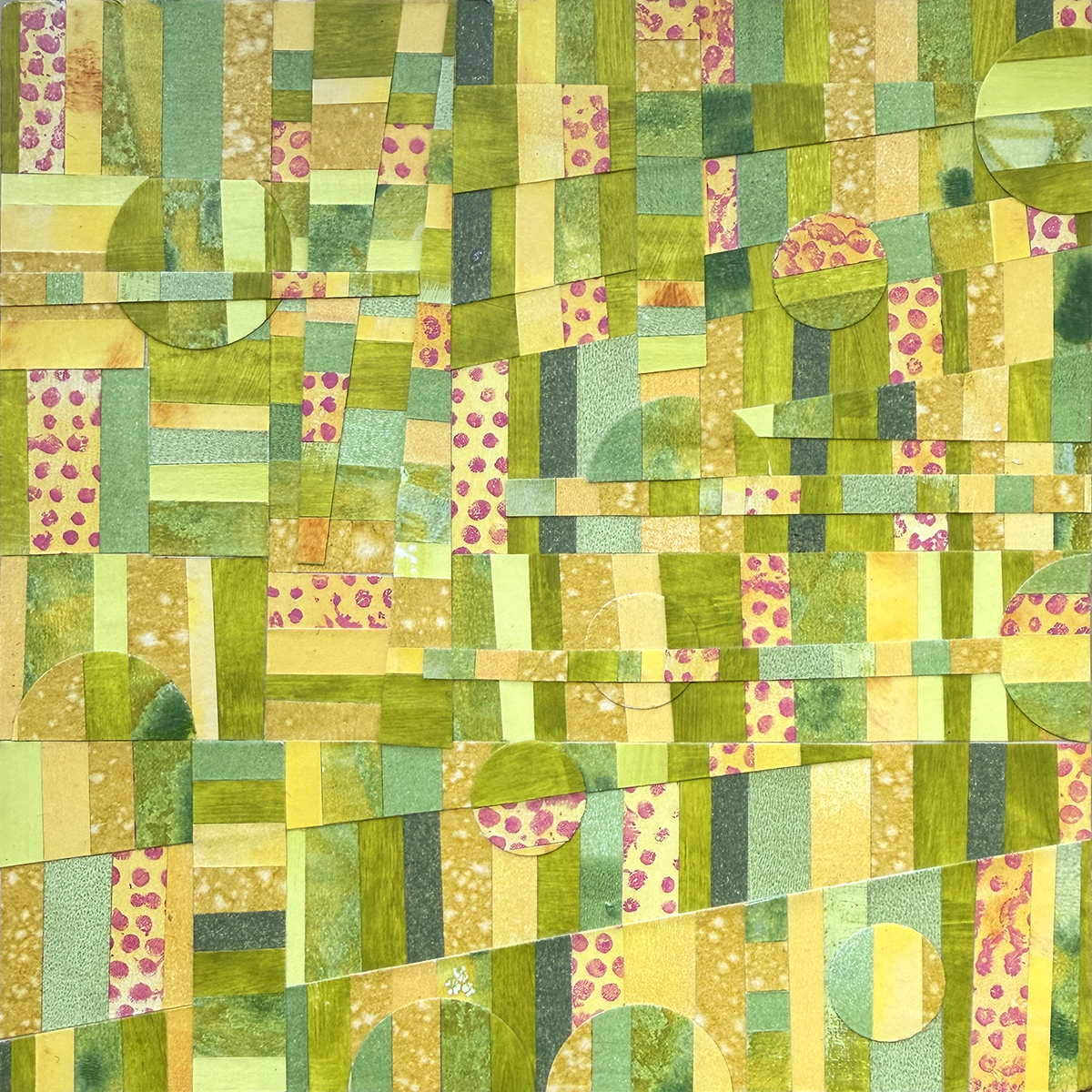
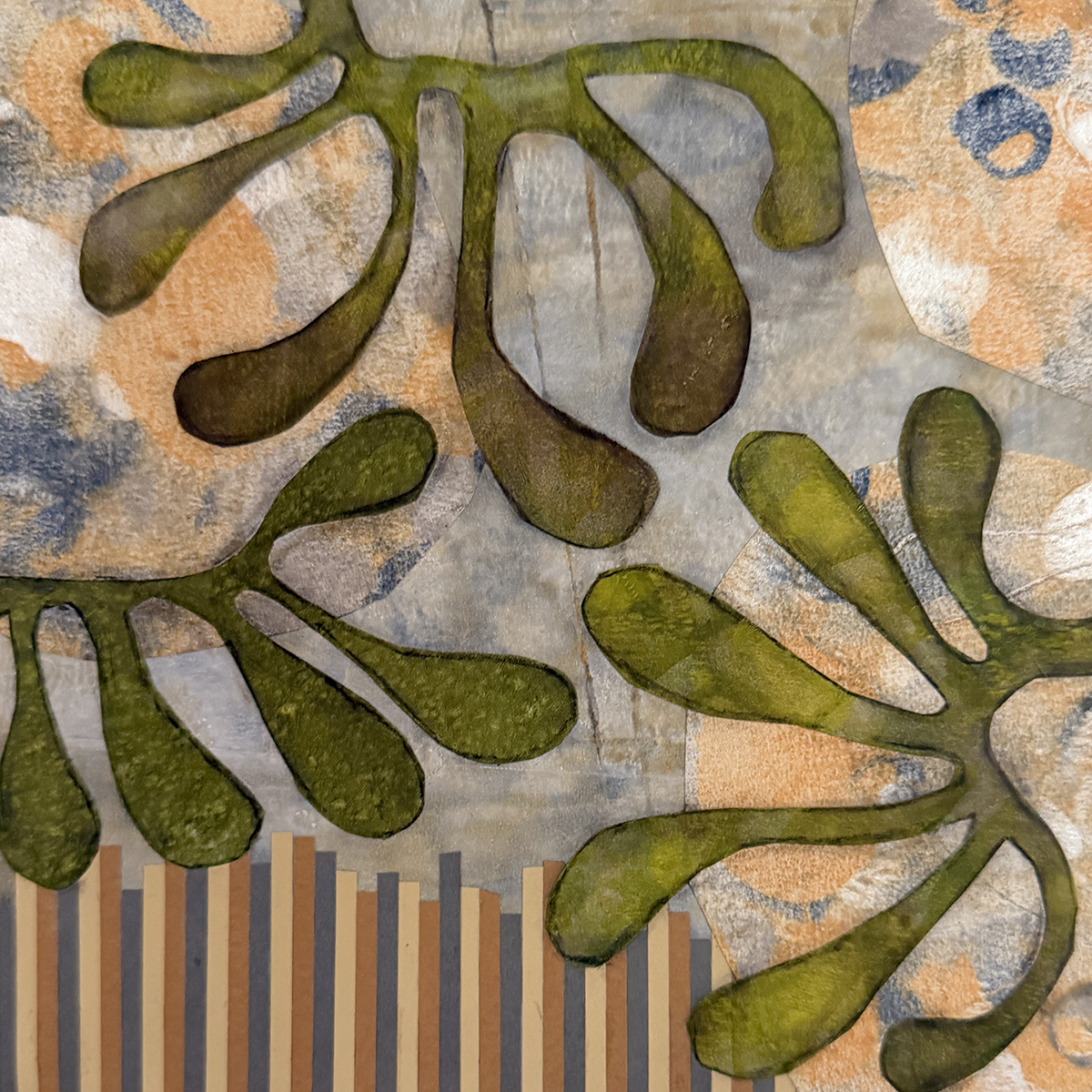
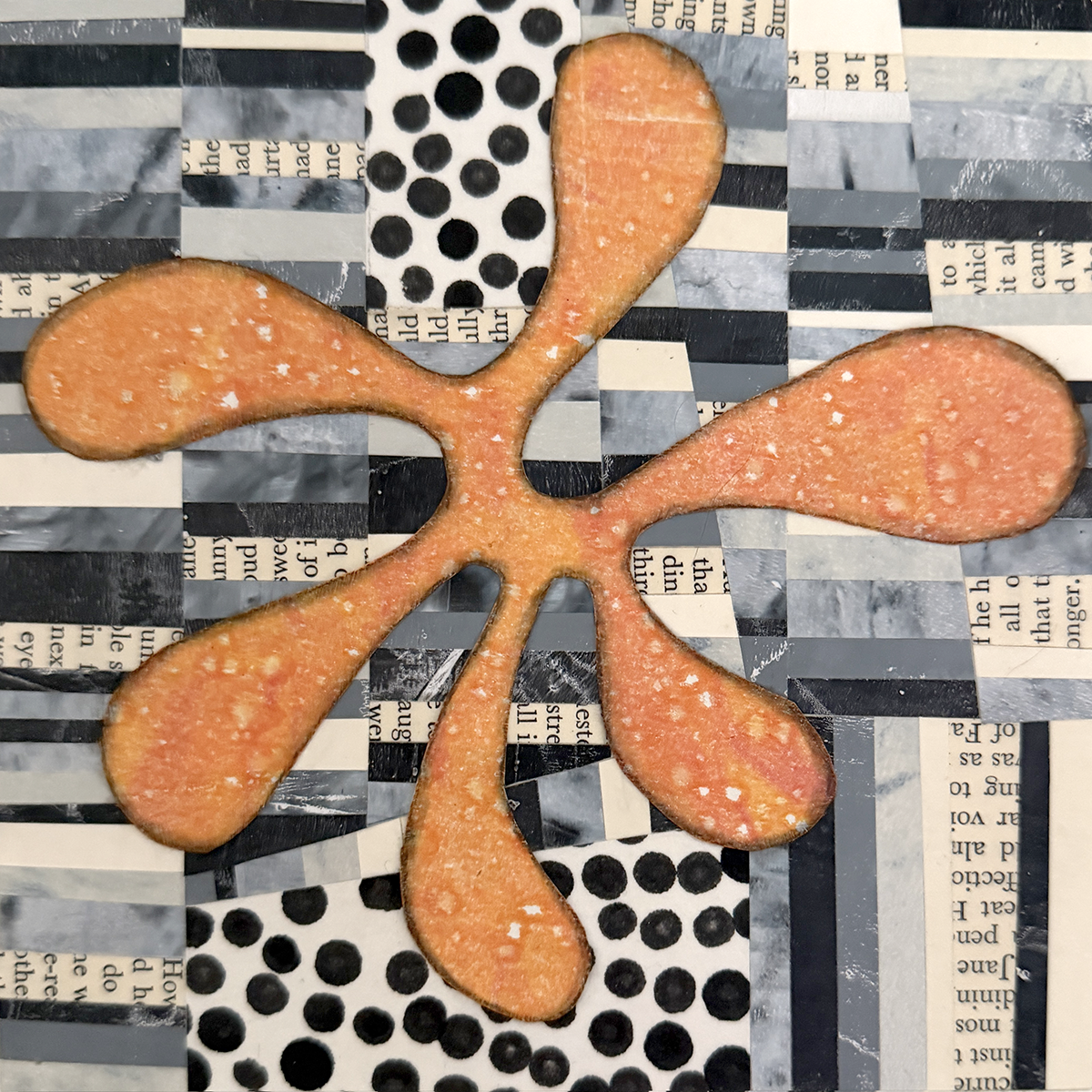

This is the piece I showed at the Art Guild Annual Members Exhibit. Glimmering Girl. Found metal objects, hand-stitched cotton thread, mono printed torn and cut paper collage, 8 x 10 inches

Here’s a closeup peek at the piece I’m working on now. The patinas and colors are so luscious. I’ve been collecting the found bits for years, and the process of messing around assembling them into beings is enjoyable. Something wants to emerge.

In the monthly discussion group I attend, we decided to exchange Artist Trading Cards. Fun to make, pulling out all the old scrap materials, and working small and fast.
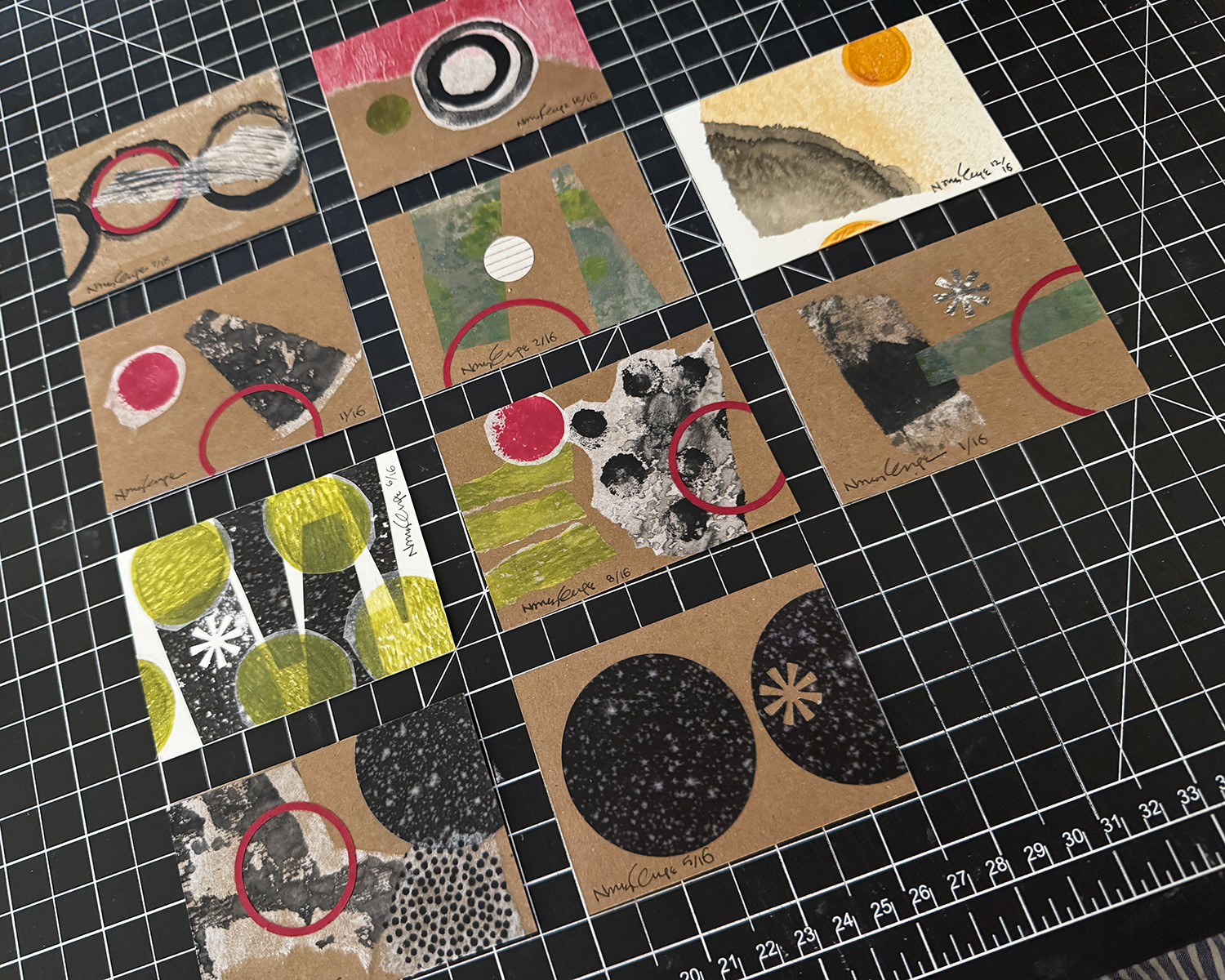
So fun that I decided to do the backs as well. And afterwards, I was moved to tidy up and get rid of so many bits and pieces and better organize what remains.

50+ artists, each producing 50 small works (6×6 inches) in 50 days
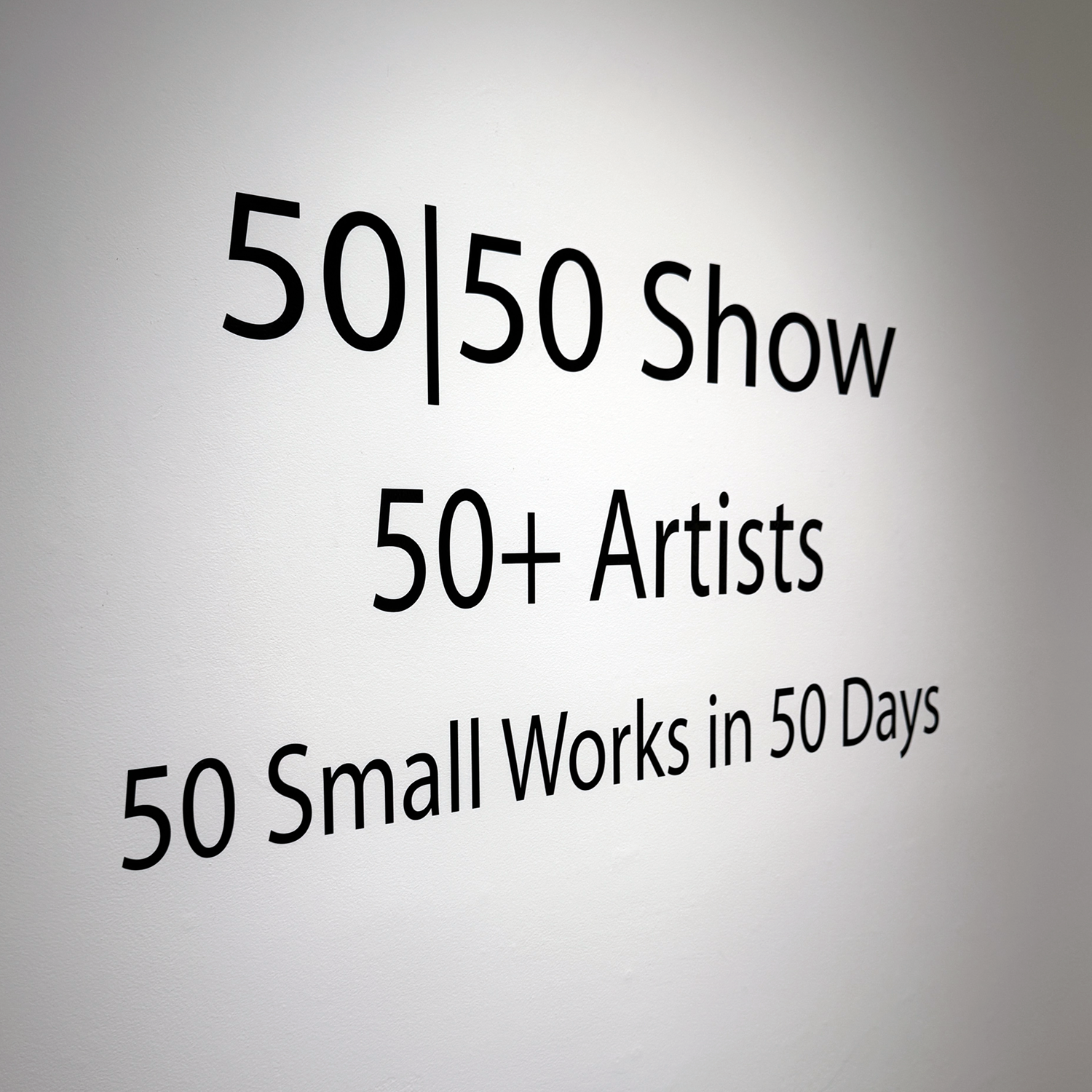
I’m still processing the experience, unfolding in successive waves. So much goodness and delight. The show runs for a month, and I’m signed up for weekly gallery sitting shifts, which means getting to study/enjoy all the works in depth, and meet and talk with artists and gallery goers (and assist them with their purchases). If you’re in the SF Bay Area, come by! (Sanchez Art Center welcomes visitors at no charge; galleries are open Friday, Saturday, and Sunday from 1–5 pm, through October 5. )

I decided to make an edition of 50 Artist Trading Cards with some of the leftover cut shapes and monoprinted papers for background. It’s a fast, fun and carefree process; no rulers, grids or light boxes involved.
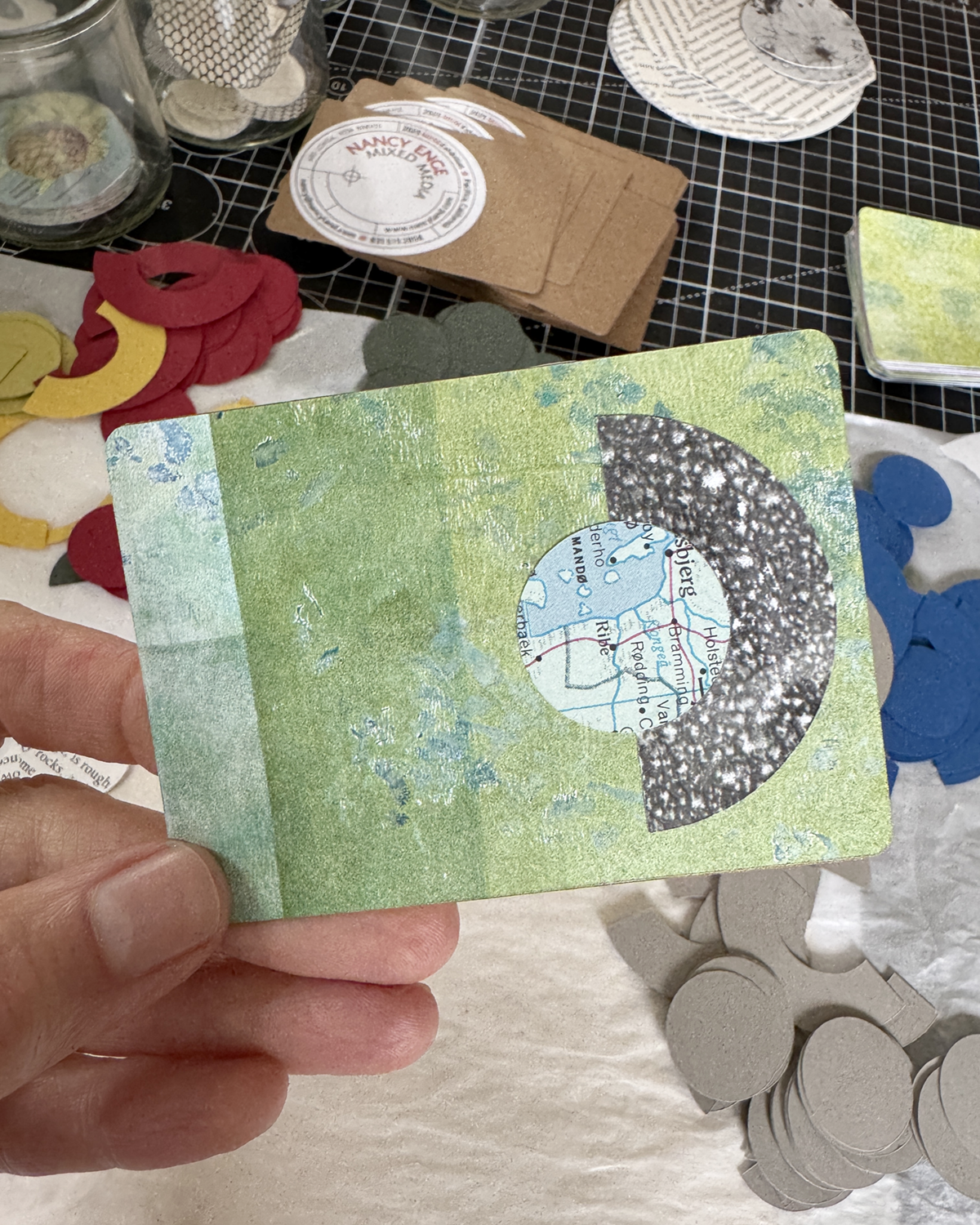
Choosing which mono prints — including brayer roll-offs, as seen above — is a pleasant task, like seeing old things with fresh eyes.
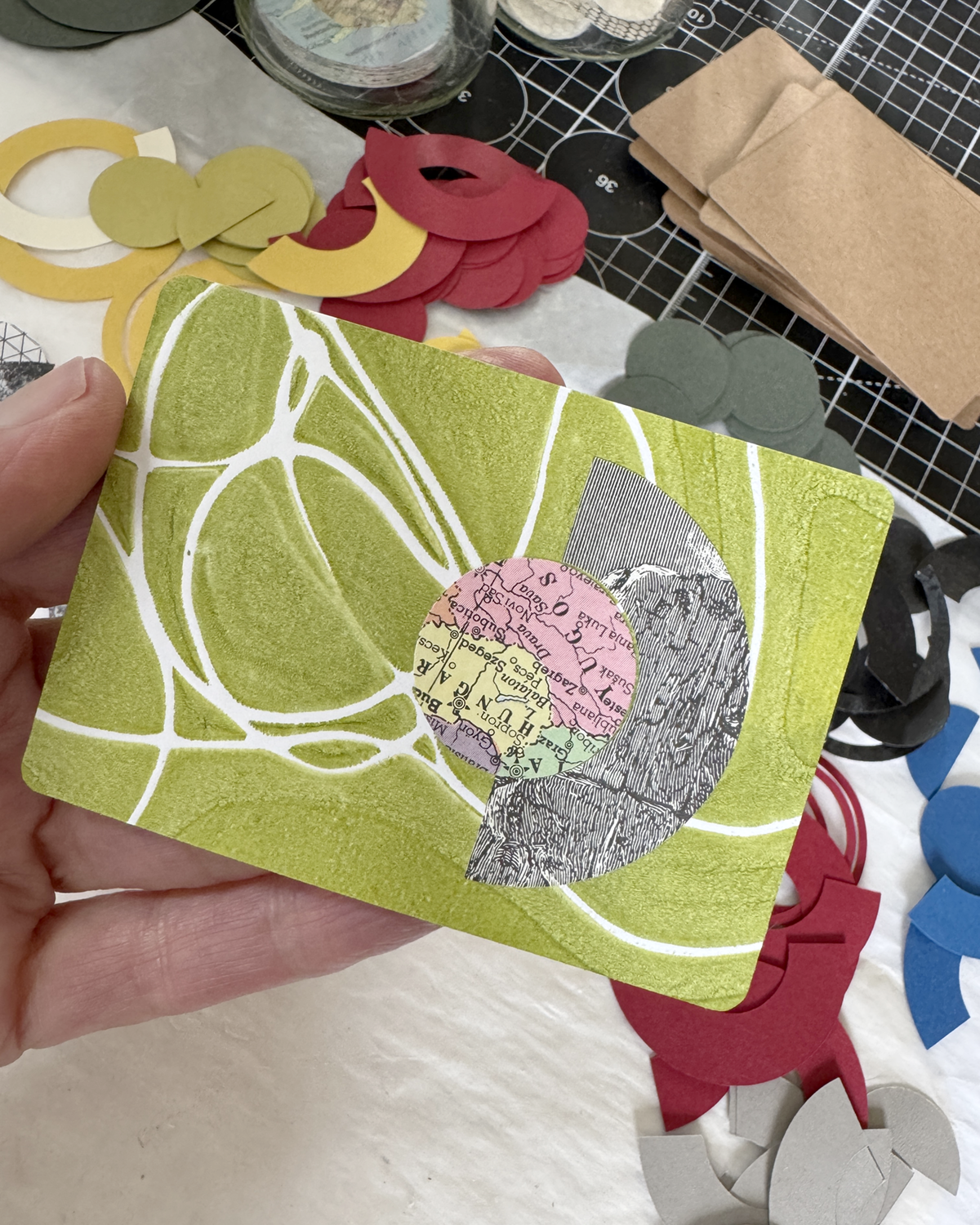
Some of the papers I cut for the 6×6 panels did not play so well with the color palette, and were rejected for use. However, they look swell on the various mono prints and the smaller ATC size! Yay old maps and line drawings!

Not gonna lie, fifty 6×6-inch panels is a lot of eventual individual artworks to make in as many days. Priming and sanding them all was a good way to ease into the enormity.
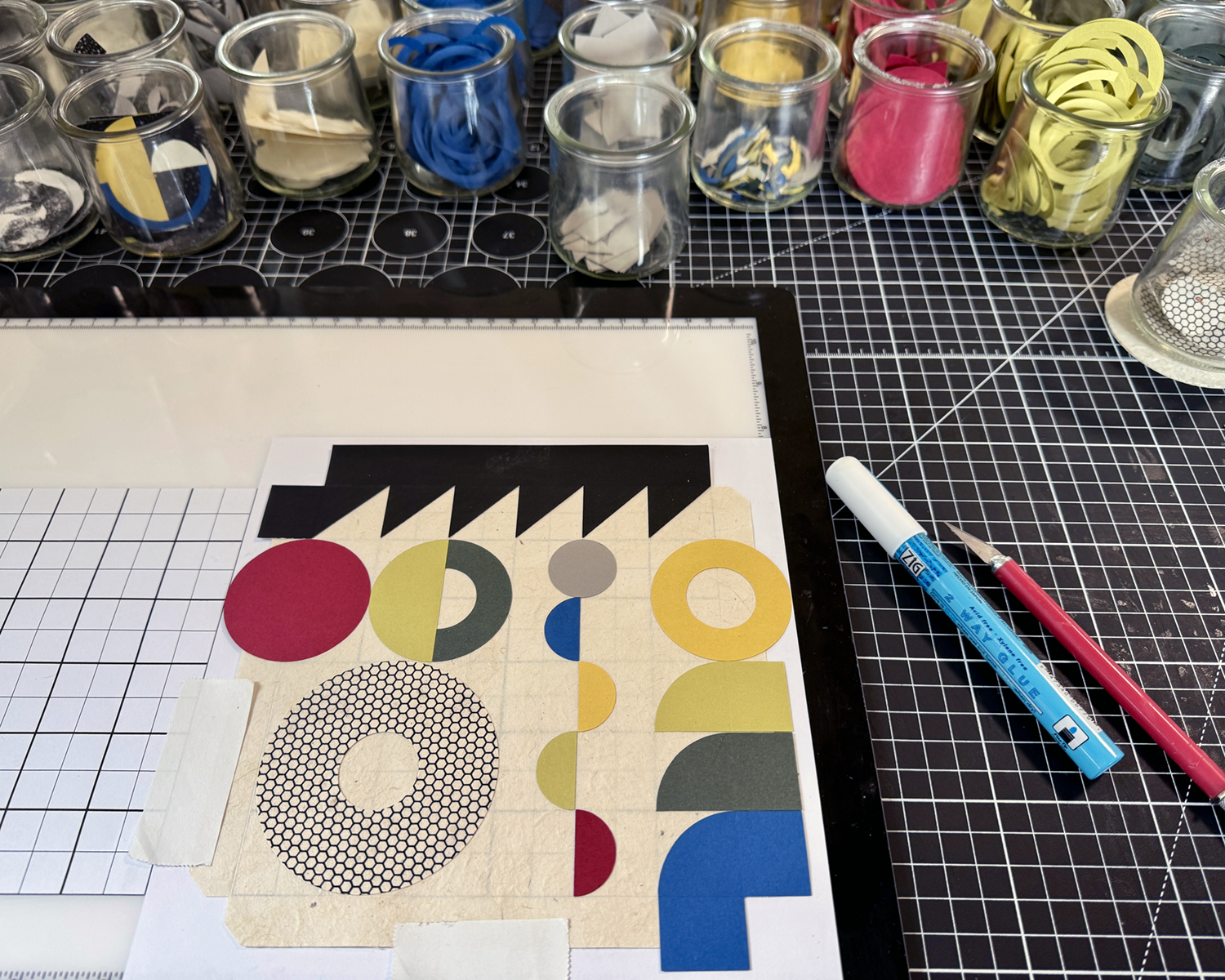
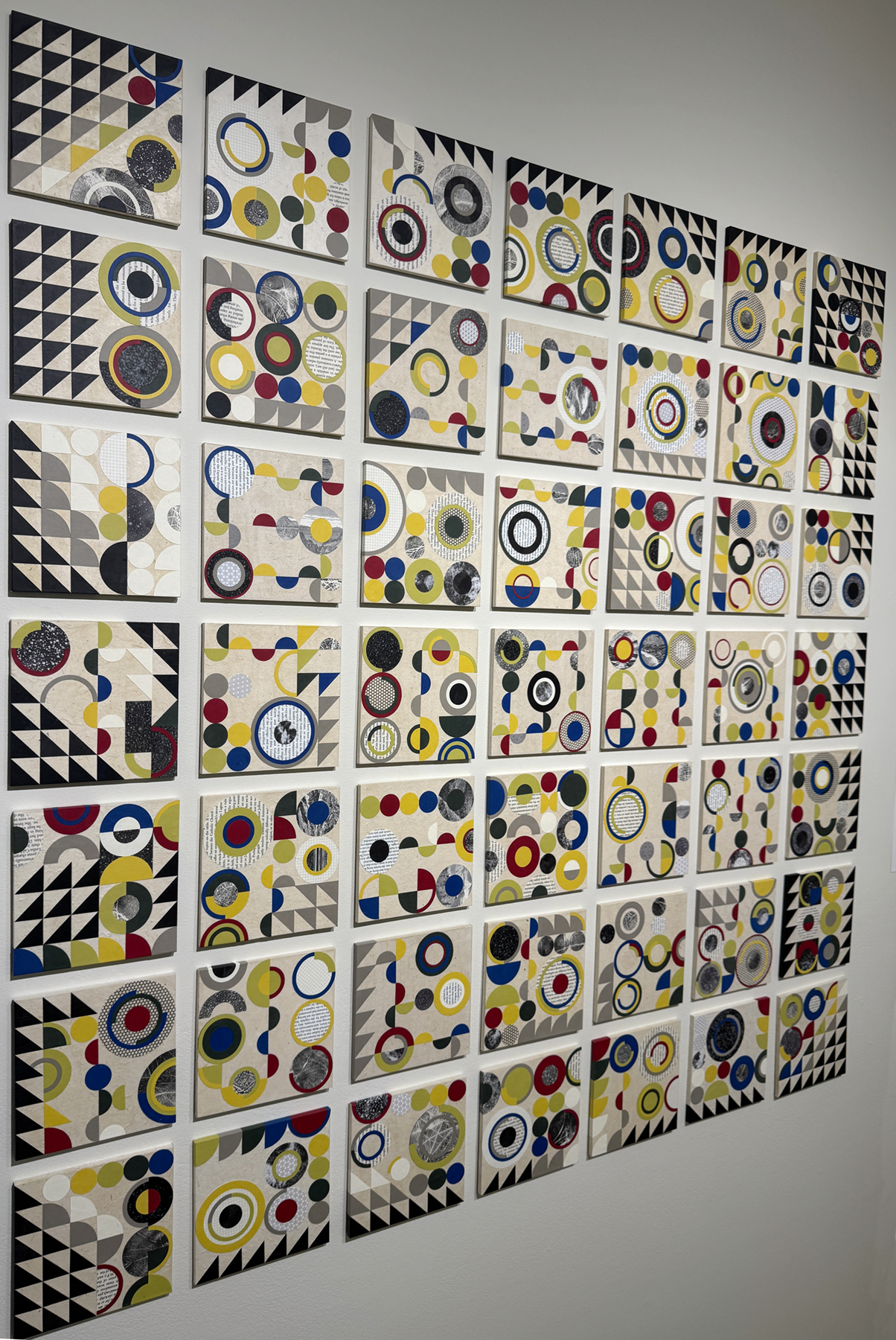
I eventually got into a kind of rhythm of creation, with a set of steps and best practices. Iteration is a great way to really explore the geometric relationships with color and balance. (Amusing, too, as I rejected placements that looked like butts or boobs, although the occasional egg yolk or eyeball were okay.) Every single panel was a surprise, and interesting to see through to its completion. Somewhere after panel 25 or so, I gained trust in the process and my ability. Flow state increased in onset and duration.
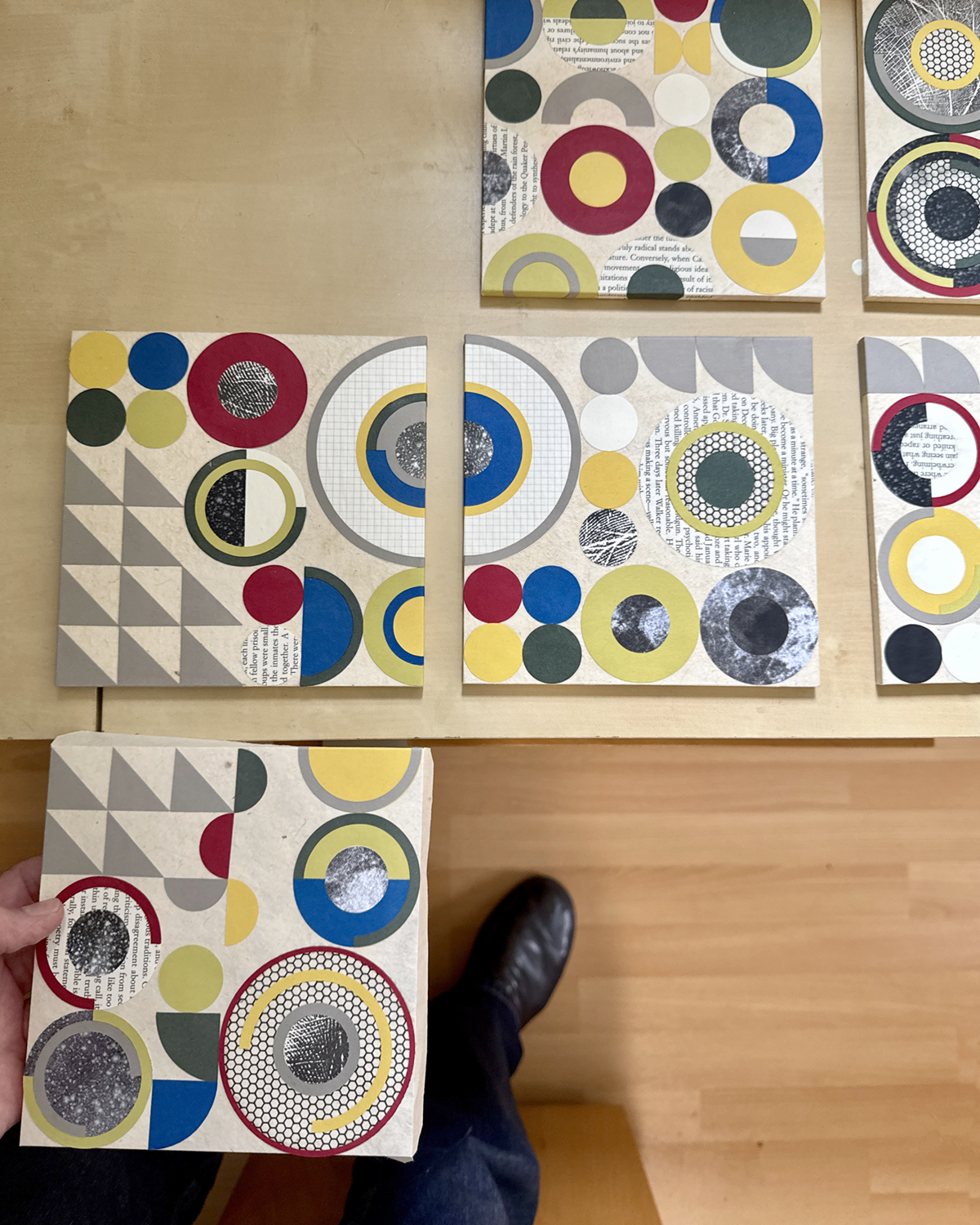
Periodically, I’d lay out the work to date on some inadequate surface and just look, to see what I could see, and use the insight or finding on the next piece.
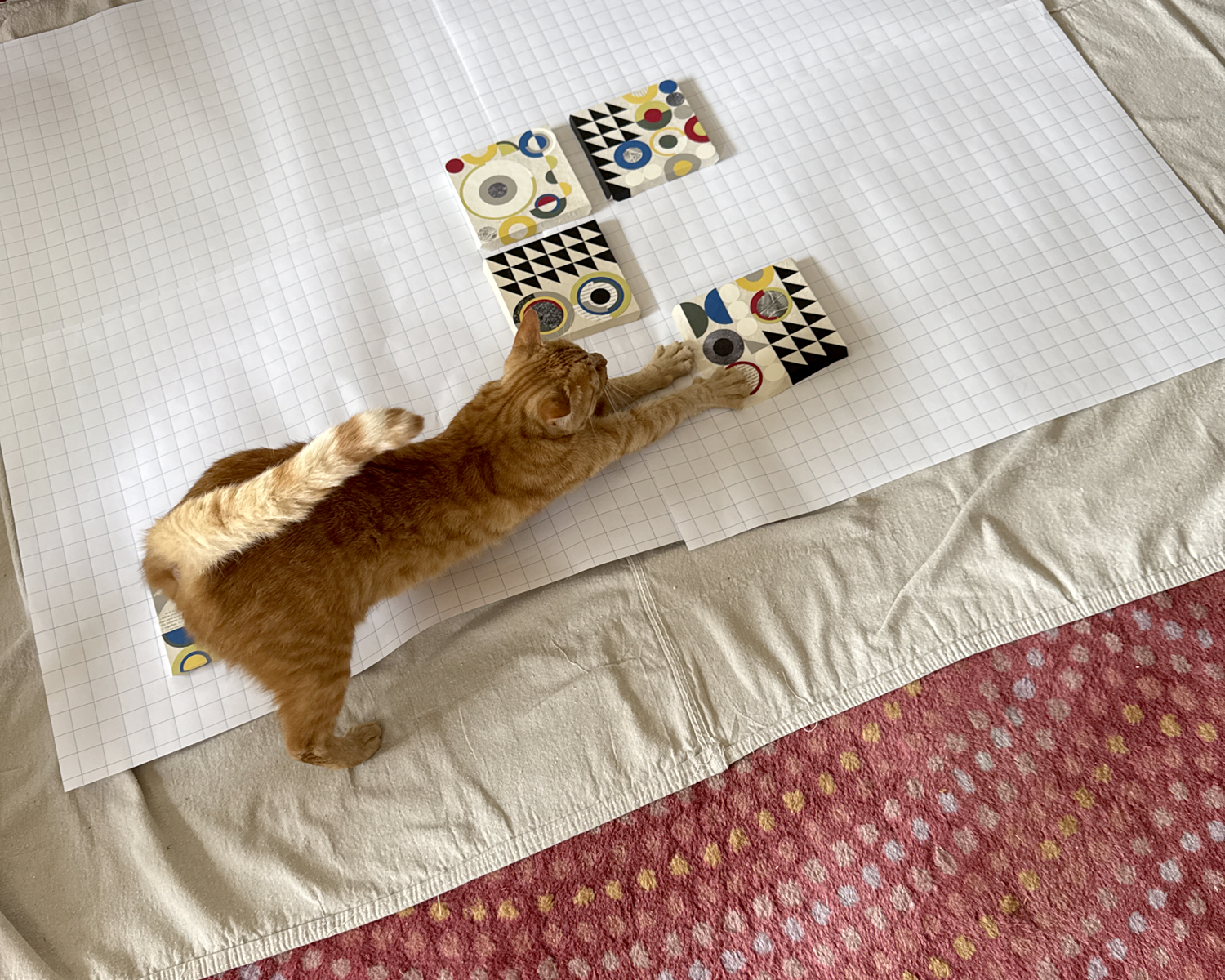

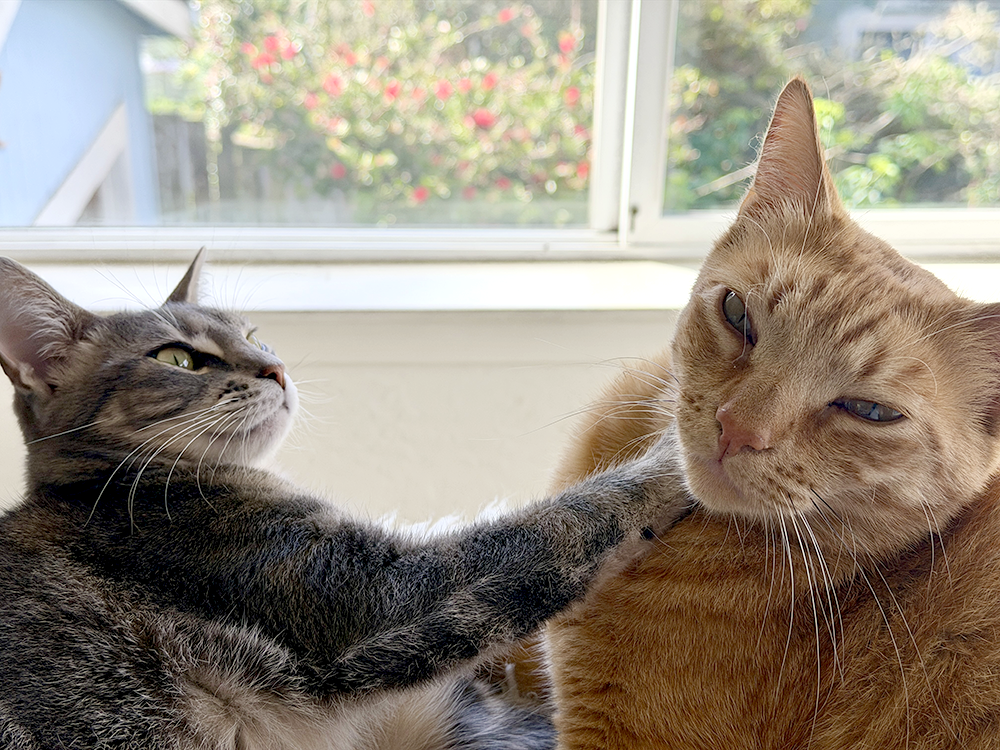
Tater has a large flat box on the ell of my desk in which he lounges and naps, etc., while I work. In the process of sorting and packaging the finished panels for transport to the gallery, I took his large box and replaced it with a smaller one — just temporarily! — and he was not at all having it.
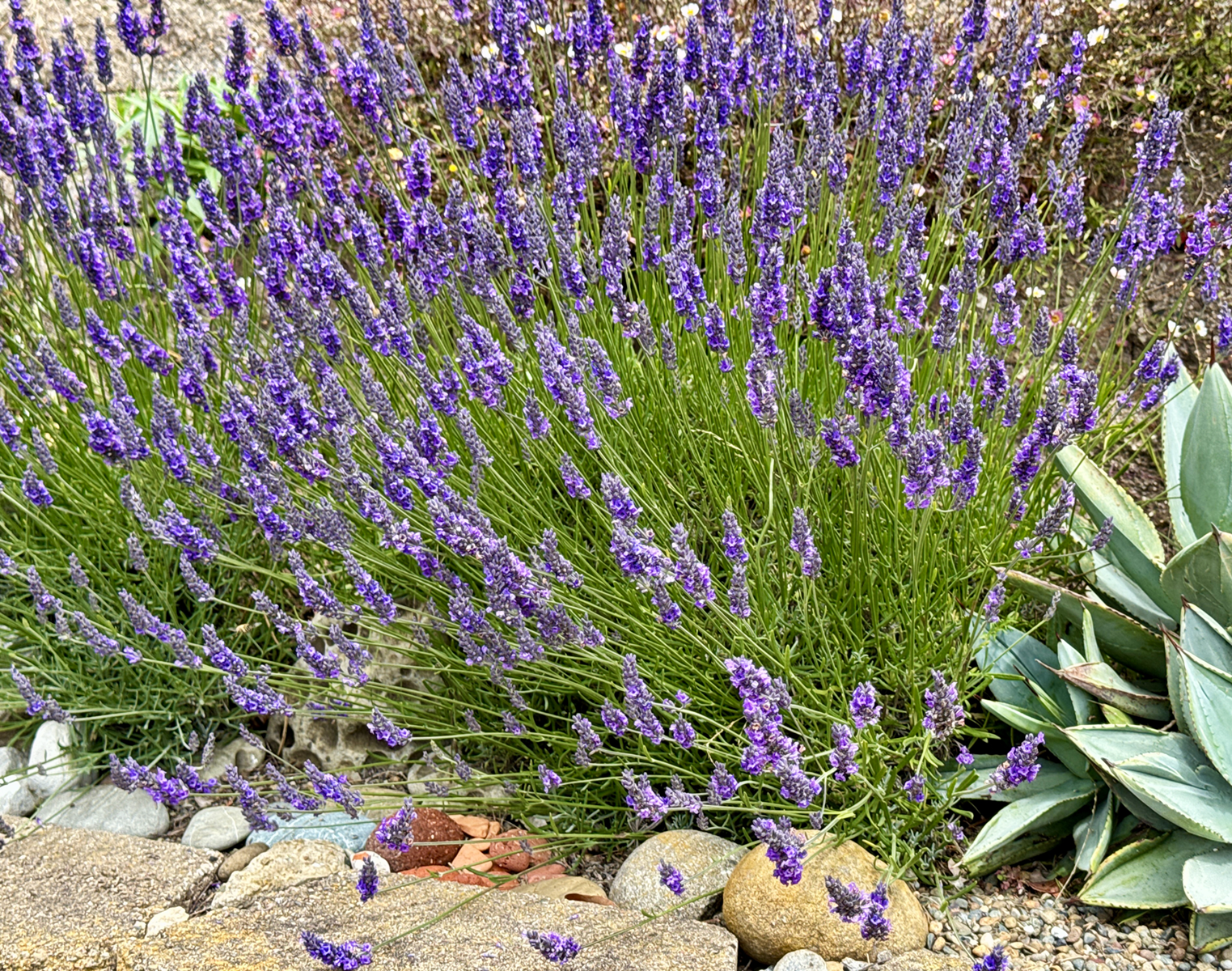
Lastly! The lavender is abloom here in foggy, mizzling Pacifica. There are about 20 bees of various species on the job, on this plant alone, and the scent is divine. I sit on the retaining wall and just breathe.

Earlier this month I was delighted/surprised to be accepted to the 17th Annual Sanchez Art Center 50|50 Show, in which 50 artists complete 50 small works in 50 days. (I’ll just let that sink in a bit. It’s both a lot and a little at the same time.)
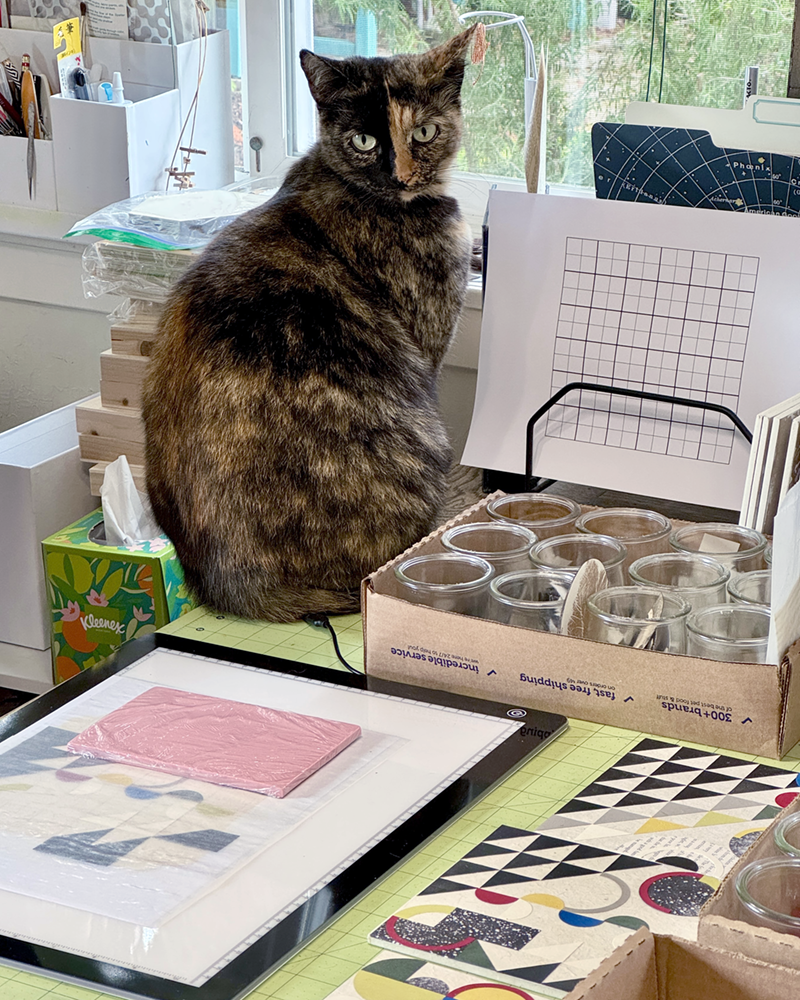
In the weeks leading up to the call for entries, I worked on ideas for proof of concept — Can I do fifty of this? Is it sufficiently interesting and compelling? Will I wish I was never born? I finally arrived at an exploration of abstract geometric collage — well suited to the size and scale of the project and of deep historical and personal significance. Working through a dozen or so test pieces, I refined my materials and techniques until I heard that still, small voice announcing, “Yes, this is good. You can do this.”

Then, I had to write the dread Artist’s Statement — a standard part of any entry process — and one of the most challenging things I’ve ever had to do. I made it excruciating, but! I persevered. Here’s what I arrived at (in fear and loathing) as the submission deadline was approaching:
“Constructed with awareness, but not with calculation, led by high intuition, and brought to harmony and rhythm.”
— Piet Mondrian, 1916
Awareness, intuition, harmony, rhythm… How many ways can circles, squares and triangles be assembled to create compositions that flow, balance and fit in the space allowed?
In these collage works, cut papers — color, mono printed and found — are manipulated and arranged to create balanced, rhythmic patterns and correspondences that please and satisfy our curious pattern-seeking sensibilities.
In exploring abstract geometric collage, evidence of the — my! — maker’s hand is evident in tiny misalignments; they are forgiven and unintentionally lend an animation to the work. When multiple compositions are hung together, new patterns emerge. Possibilities remain endless.
Once I got over myself and that hurdle, I realized two things: first, artist statements are not carved in stone for all eternity and can and should be revised at will, at any time. Second, I’m pretty sure most people are not as mean, judgmental or paralyzing as my inner critic. And so, merrily, we rolled along.


Wish me luck, inspiration and endurance, friends! These panels are (thus far) fun and satisfying to build! They make your eyes dance (in a good way)! The show opens Friday, 05 September, and runs through Sunday, 05 October. If you’re in the SF Bay Area, do consider stopping by the Sanchez Art Center to enjoy this exhibition of 50 artists’ works!

Mostly, my family and I are OK. My charming husband has been working from home — as I have been for the last 14 years — and given the wee square footage of our house, it’s been remarkably harmonious and kind. We’ve weathered the death of my younger brother, after a long illness, without being able to gather and grieve his passing, and most recently, the furloughs and layoffs of half of my husband’s corporate master company.
The awareness that many others are experiencing far worse experience and circumstance is never far from my heart and my mind. How could it be otherwise? We are all in this together. (And for all of you who have reason to say fuck you with two middle fingers to this trite truism, I hear you.)
However.

Ruby and Maddie are learning to wash dishes. Without me.

Scarlett maintains her unrepentant insistence on knowing interior spaces.


Um, nothing much new in that propensity.

My birthday was in early March, and I splurged on new deck furniture from Tidewater Workshop. Of course our planned new front deck construction is delayed until who knows when, but I built and painted all the new pieces with the leftovers from the wave gate project, and am sealing them as the weather allows. Above are three of the rectangular side tables.

The recent April full moon coincided with my mother’s birthday and mild weather. What a wonderful reason to sit outside late and watch the night sky.

I’ve been keeping busy with multiple projects and diversions. This 1:12 scale Bandai kit was so very satisfying to build.

What with shelter in place and all, my walks are constrained to our hilly mid-century suburban neighborhood, and I’m keen on … finding more interesting things to notice than whatever, or sweating, or not dying from a heart attack. (My neighborhood *is* really hilly.) So today it was flowers, and this one won: Cerinthe major ‘Purpurascens’ honeywort. I use the iNaturalist app to help me identify that with which I am unfamiliar.
If only there was one for our time.
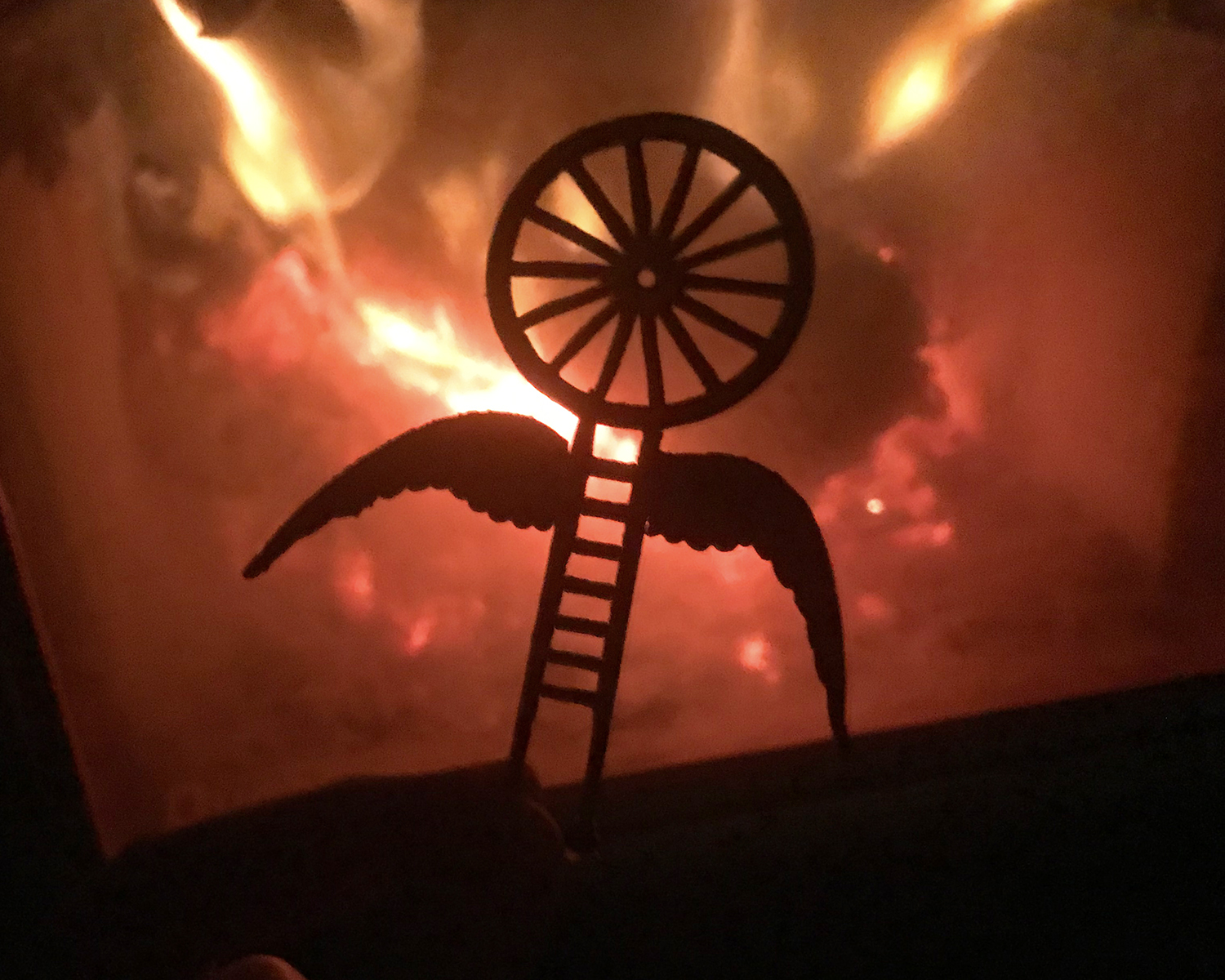
I can’t compete with polar vortexes or 37 feet of snow — nor do I wish to — but it’s a bit chilly, so I made a fire. Wheelie came out to approve the primal nature of warmth and goodness, and flex her wings in the glow.

There’s a storm blowing in.
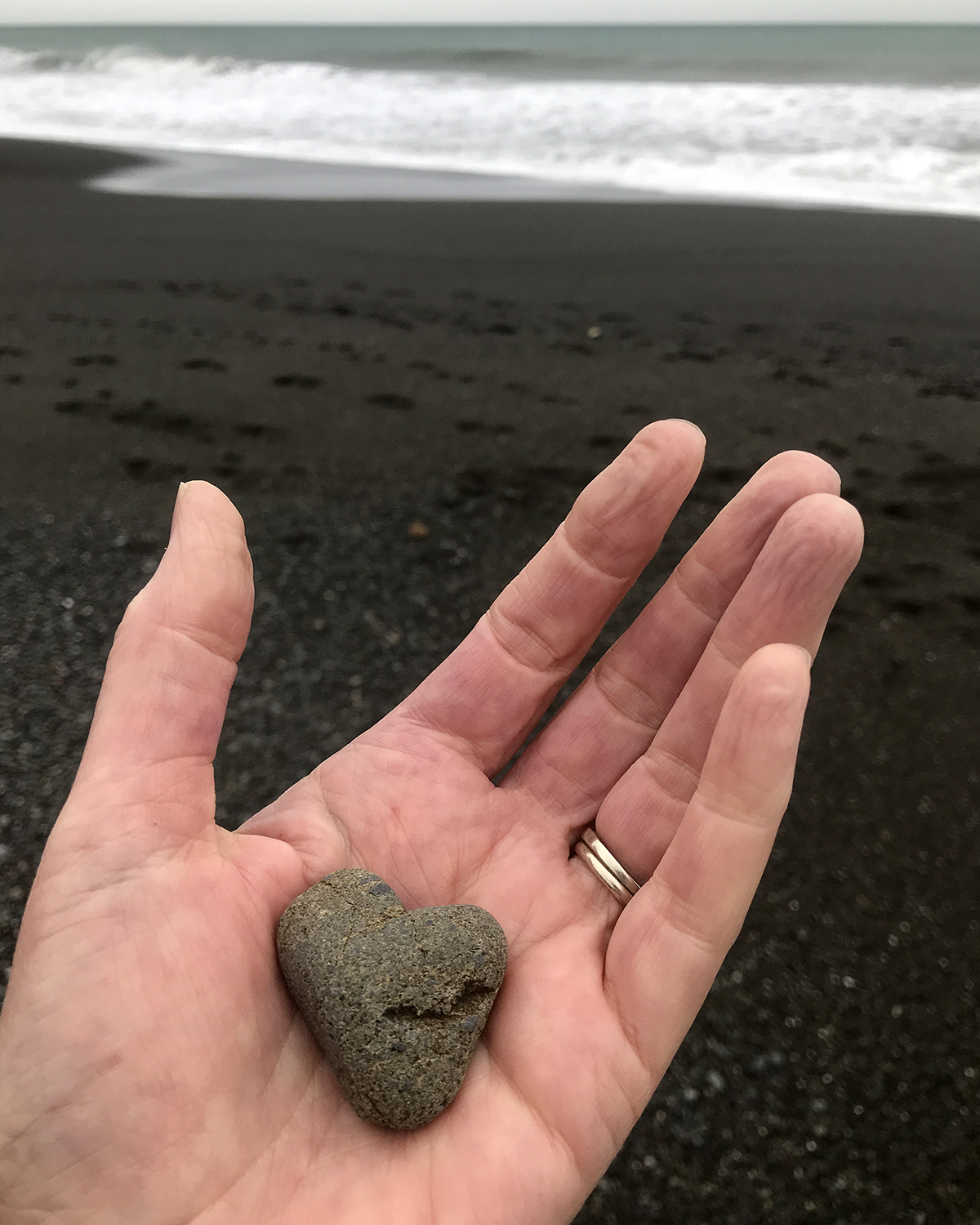
Bolstered by a double cappuccino, I chanced a walk on the beach. Observe my chilly, stubborn fingers.
Of course I got rained on and walked super briskly back to my car. Driving home, I blasted the heater and the seat warmer.

Work on the Sea House Conservatory continues also briskly, yet slowly, thoughtfully. That’s a thing, right? This photo was mid-January, when I had just completed Kris Compas’s chaise lounge kit, in a fine cotton canvas trimmed in black and cream cording. And yes, that’s the Cynthia Howe Victorian birdcage and table, finished in multitudinous coats of flat black spray paint to round out the brusque laser cut edges. Almost everything has changed since then, and I could not be happier.

I finished gluing the painted paper tiles to the pattern for the Sea House Conservatory main floor.

Stoic Albie helped keep them flat, as Stoics do.

I then spent a lot of time considering how best to make the floor fit the base and carry over to outside the walls in a way that pleased me.

If I was a cat, this is how I might look pondering the options. “Why yes, that might actually work …”

As part of the solution, from quarter-inch birch ply I built a two-inch riser for the base and painted it medium grout gray. And — not because I want to relive the 1980s and feature wall faux finishes — I sea-sponged on a lighter warm gray. Mostly because I didn’t want to stare at a flat gray box. (My building process involves a lot of staring.)
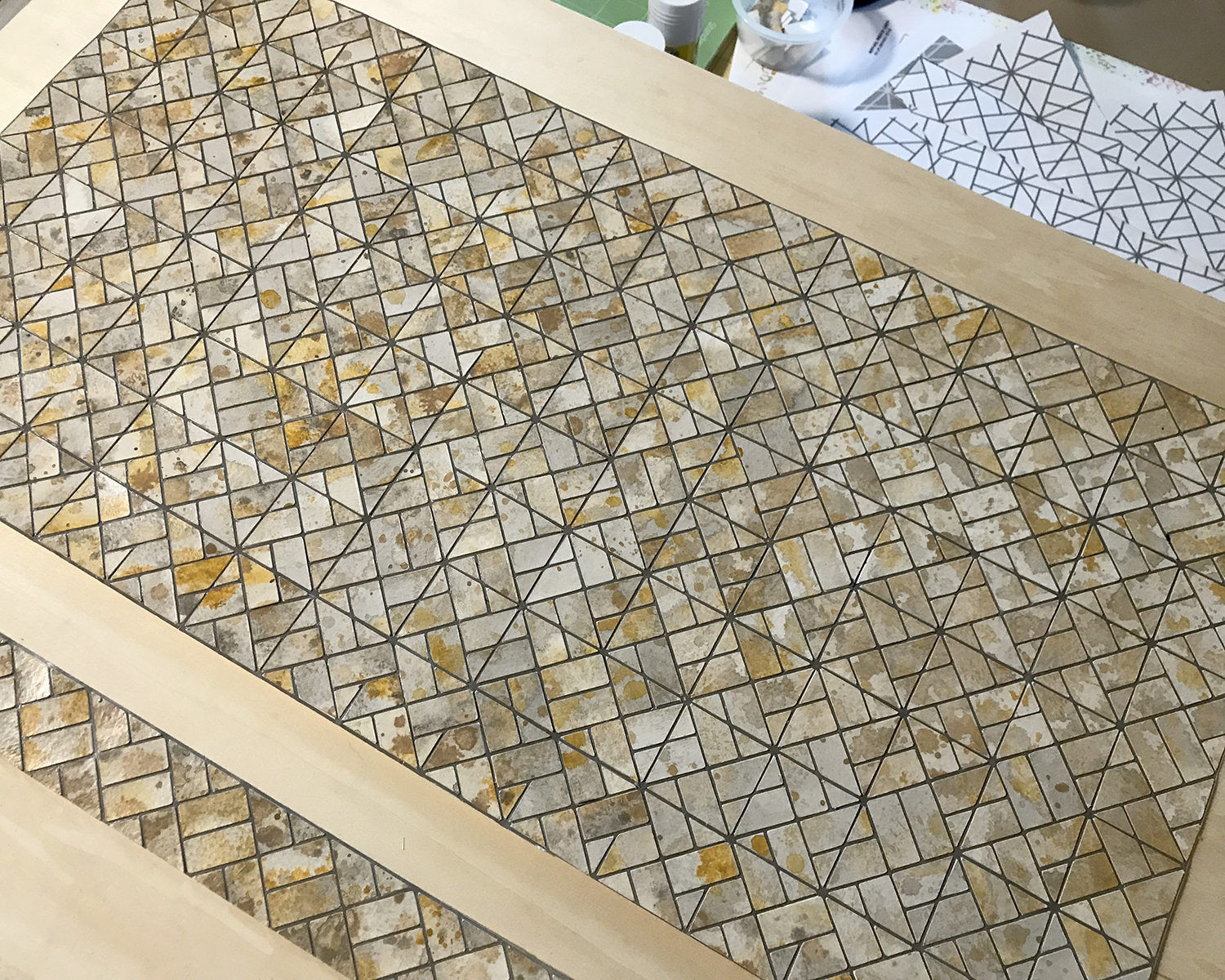
Eventually, the weather/temperature/humidity cooperated and I was able to spray two good coats of matte sealer on the floor tile assemblies, prior to their grouting.
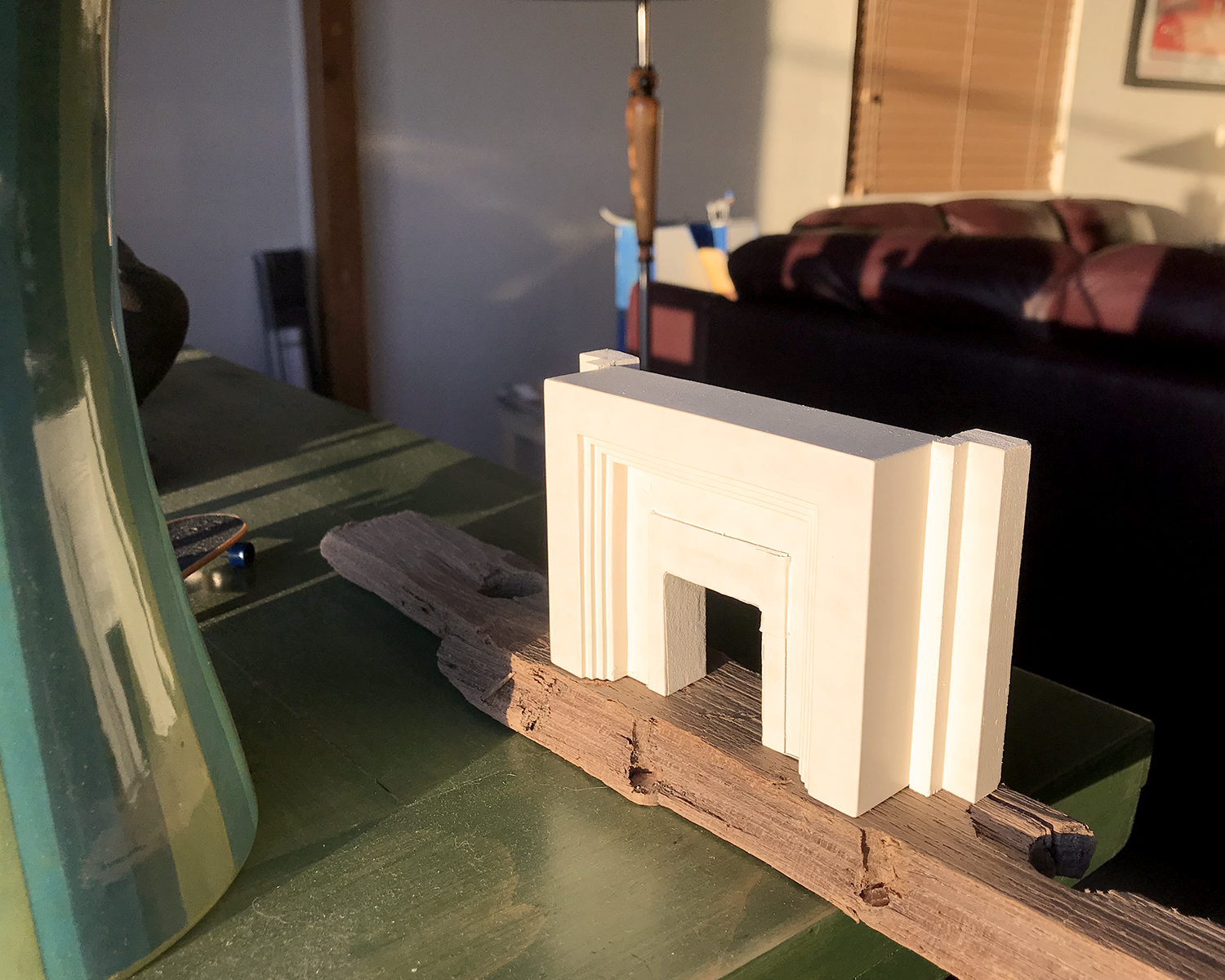
Also got a few more coats of satin antique white on the fireplace. (Built from this Houseworks Deco fireplace.) Here it is curing in the late afternoon sun, admiring its reflection in a glazed ceramic vase.
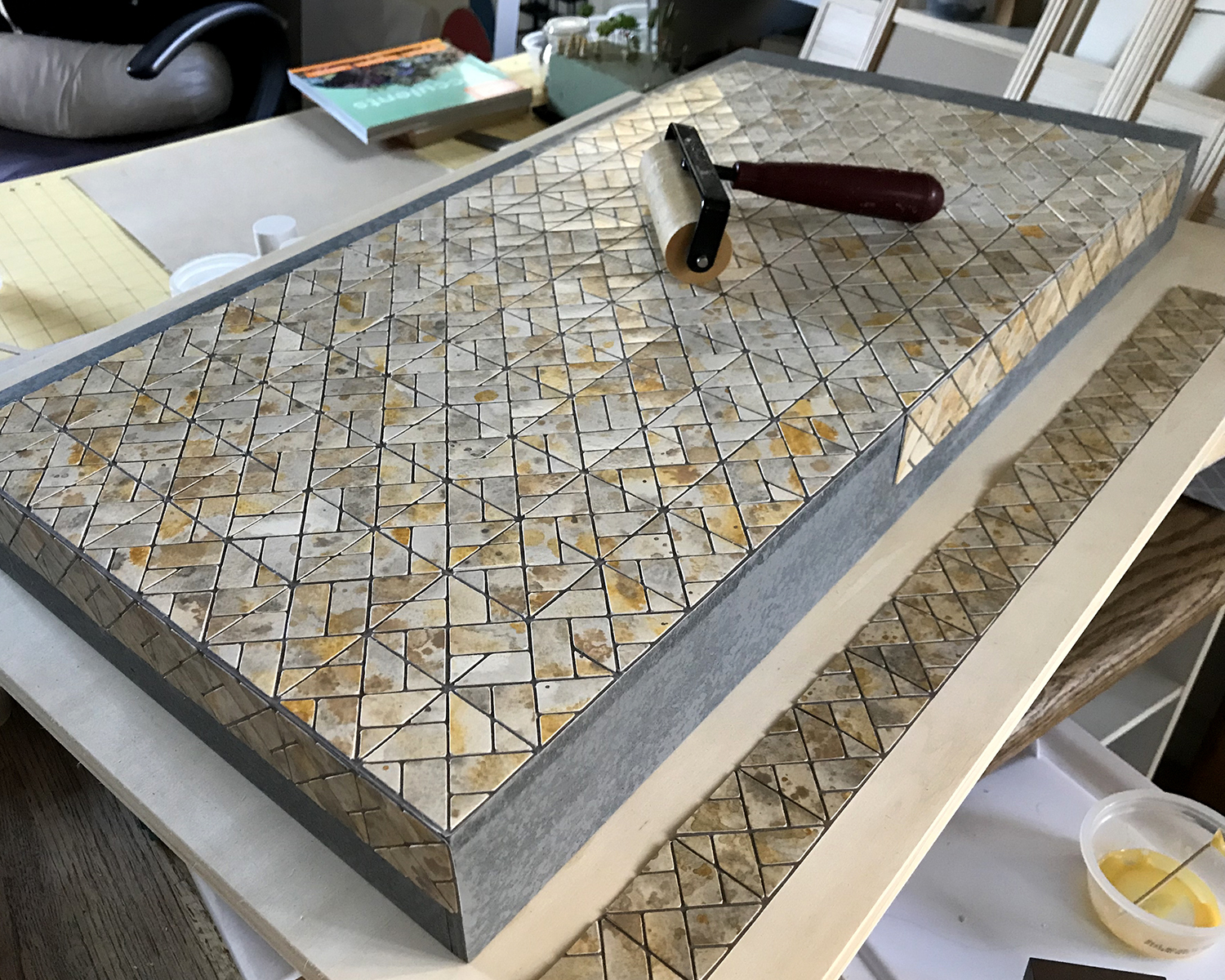
Gluing down the sealed tiles to the base. It will might make more sense in a few days when you see the whole idea. Are you really, really weary of seeing pictures of these tiles?
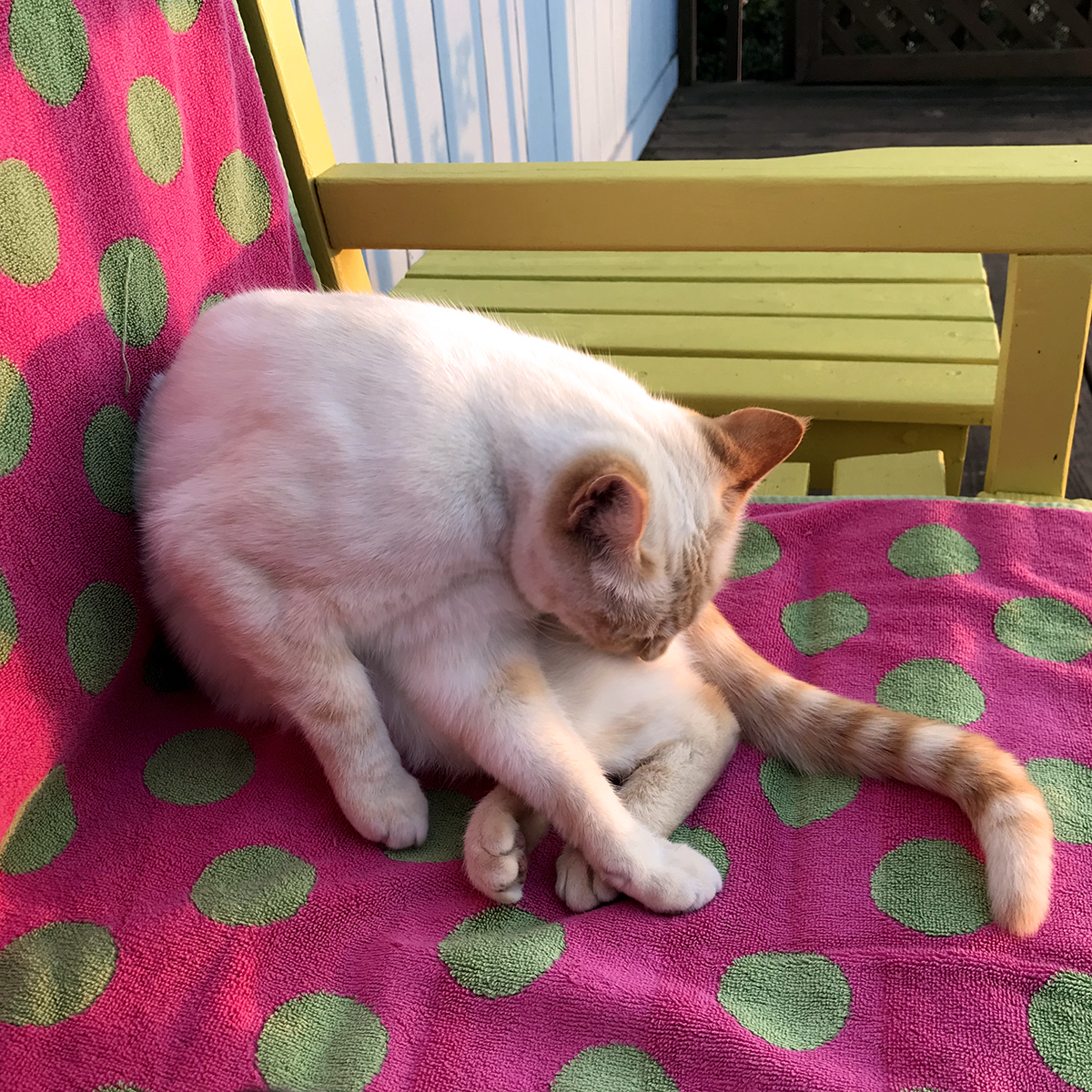
Then here’s a pic of Scarlett sitting next to me on the front deck yesterday, watching the sun go down (and grooming). (Her, not me. I was sipping a glass of delicious Double Brut IPA.)
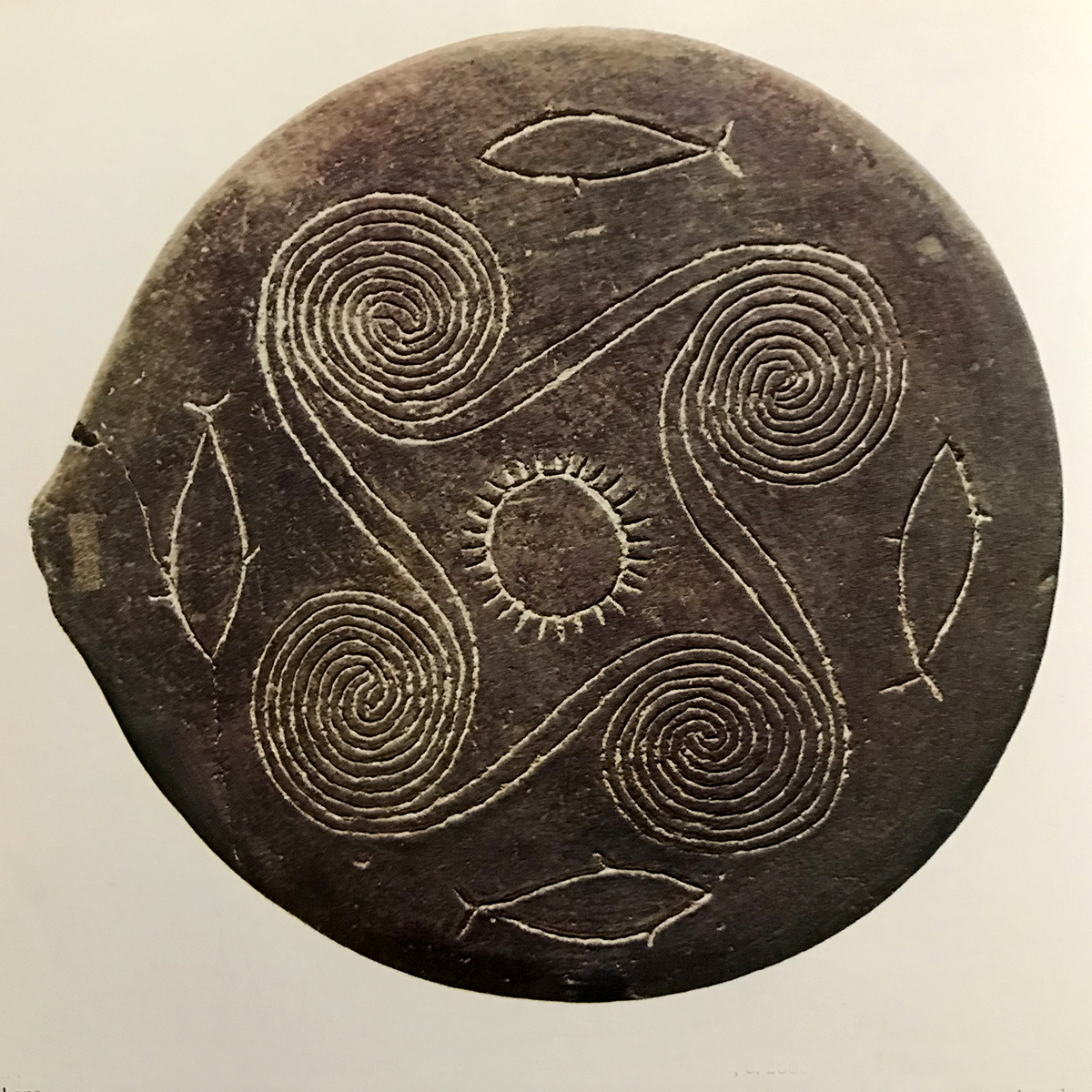
This is my current design inspiration for conservatory decor. It is a Cycladic terra cotta vessel from 2000 BC — ! — found on Naxos. I’m smitten with everything about it: the spiral waters, fish, the sun, or maybe a full moon? (From Art of Crete, Mycenae and Greece by German Hafner, 1968, public library.)
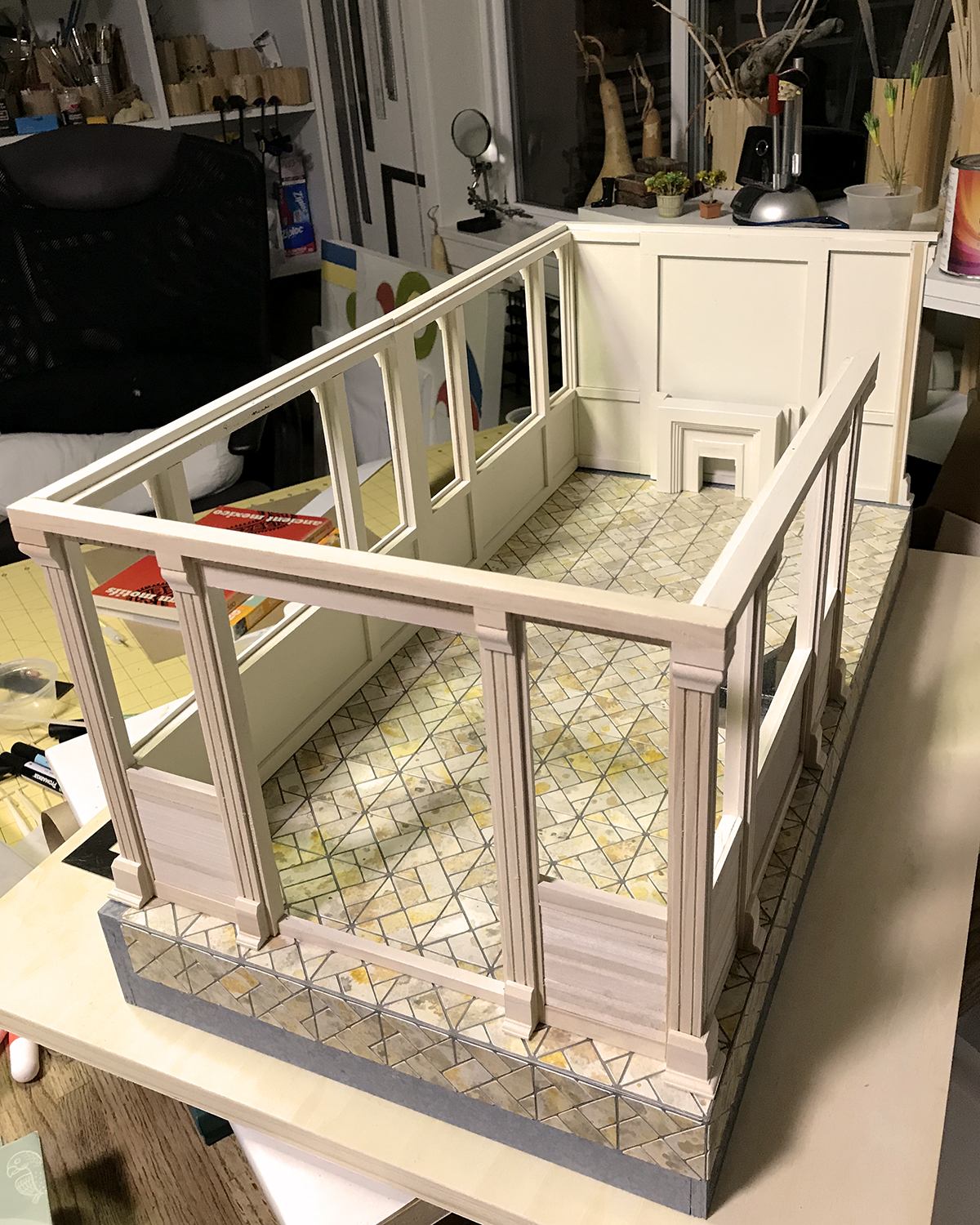
A last peek at the conservatory in the night studio, with the standing walls. For now.
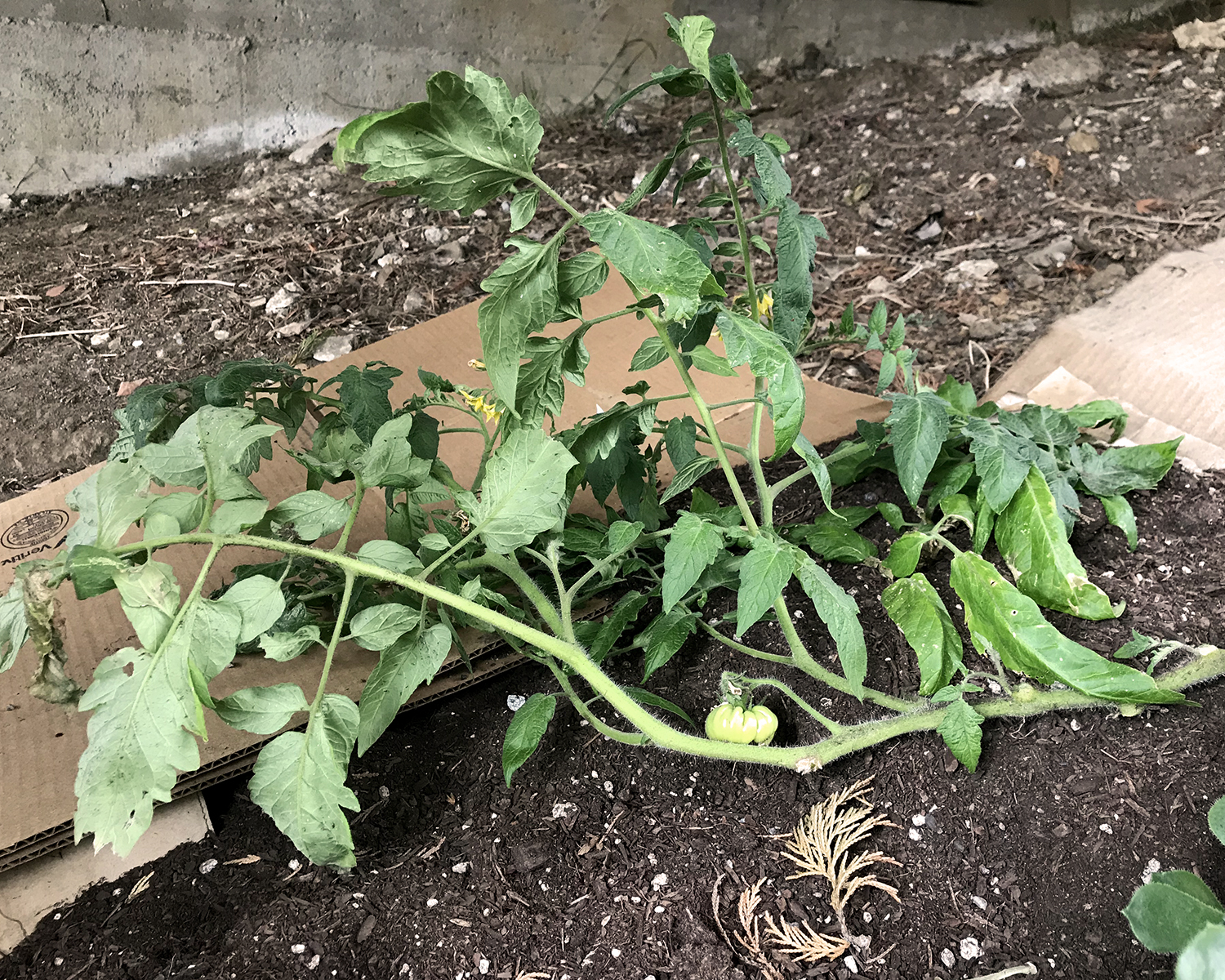
In real life, I’m working on a landscaping project on the side of our hillside house under the sunroom add-on. The soil is compacted and full of rubble, and I’m putting down flattened cardboard to suppress what weeds do grow, and adding top soil, compost and worm castings. There’s next to no direct sun, so I’m transplanting hardier succulent cuttings to see what will survive. They get a little leggy reaching for the light, but they’re doing all right. In September I noticed what looked like a young tomato plant growing at the back of the area, evidently self-started from the compost. When it put out flowers I was charmed; what hope and vigor this plant has! And then the other day I noticed it had made a tomato! A single, multi-lobed heirloom. In December! It’s like a miracle :)
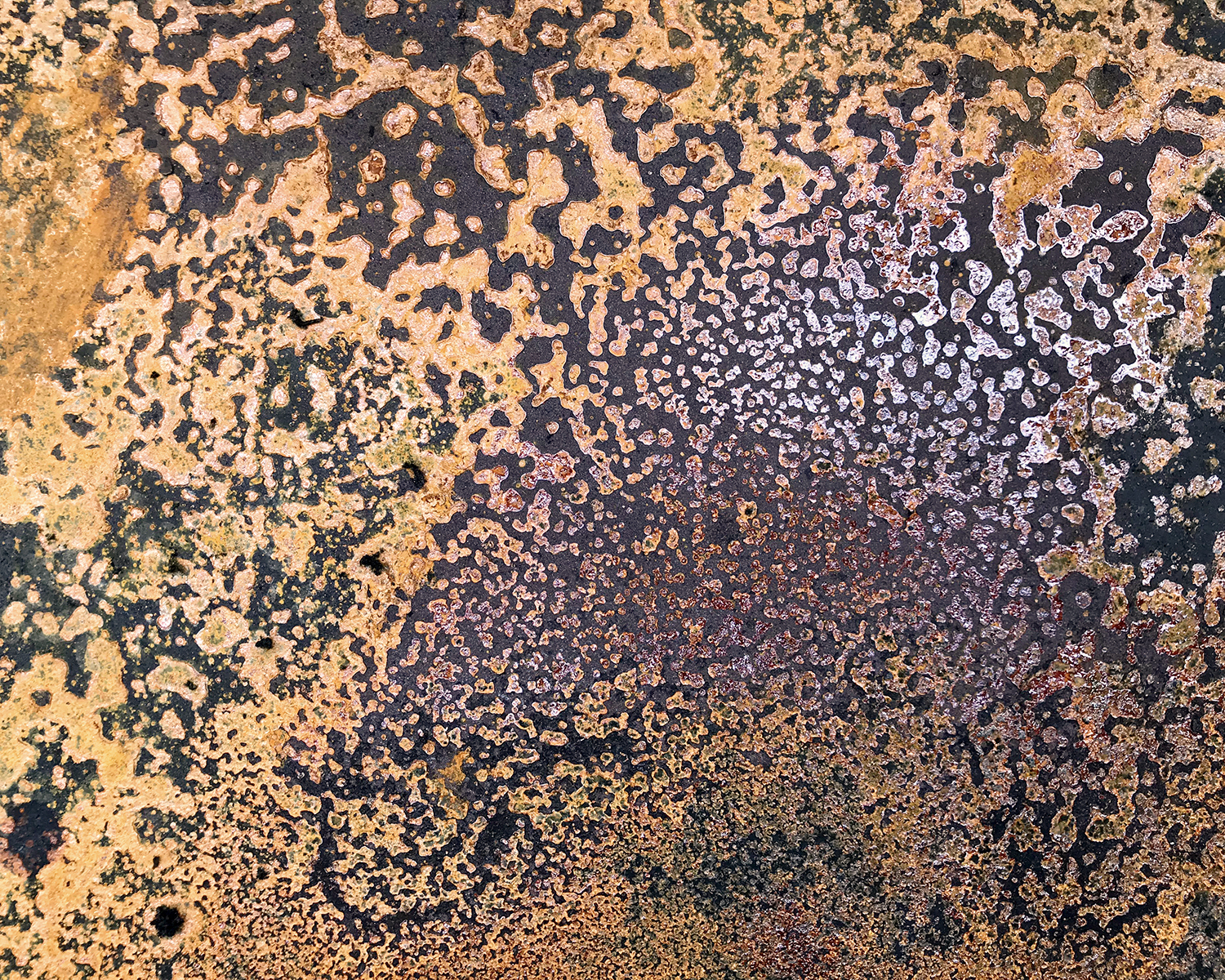
And finally, here’s one for your reference files. Look at the beautiful rust pattern and colors on this cast iron plancha, sadly left out in the rain next to the BBQ. (Left behind when our neighbors moved, it was already warped, but was still serviceable for outdoor cooking.) We’ll see if I can bear to scour it clean, or if it joins the Things That Are Rusting collection.
Doesn’t everyone have one of those?
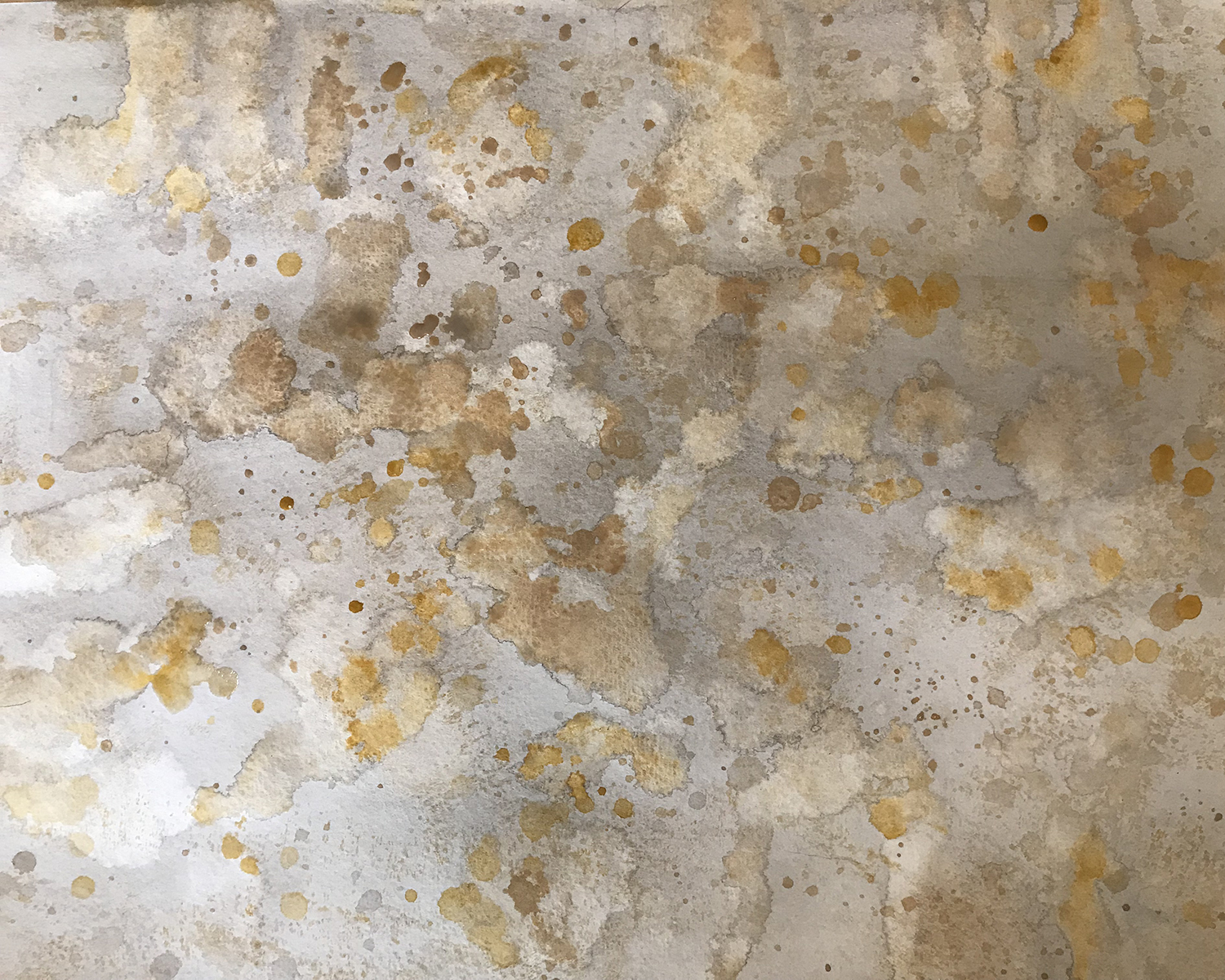
I painted a couple of sheets of 11 by 15-inch 140 lb. cold press watercolor paper with washes and splats of neutral gray, tan and yellow oxide acrylics, then pressed them flat between two drawing boards weighted with books.
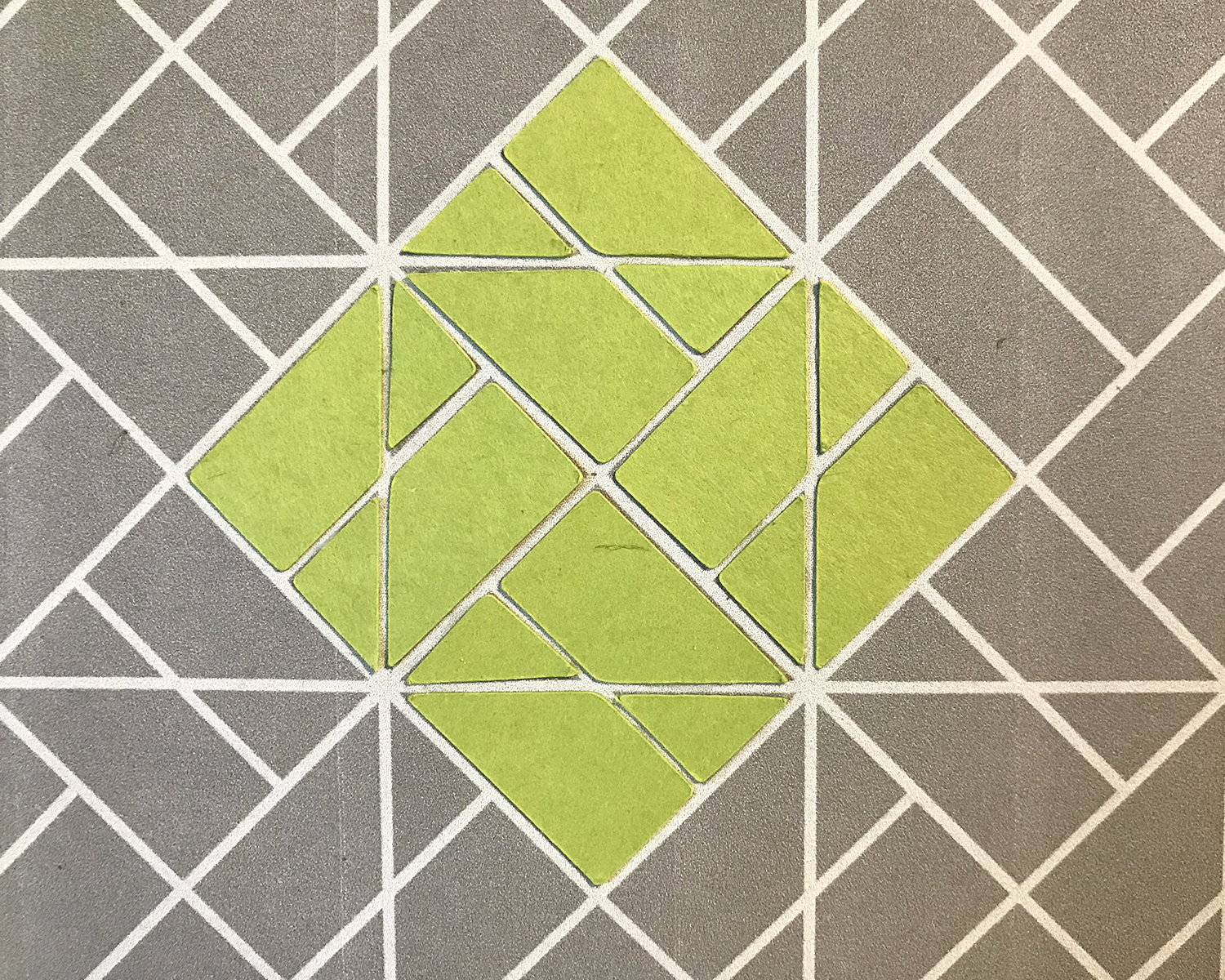
The tile pattern and grout lines were refined through several test cuts and pasteups. I added a 3-point corner radius to the tiles to suggest age and wear.
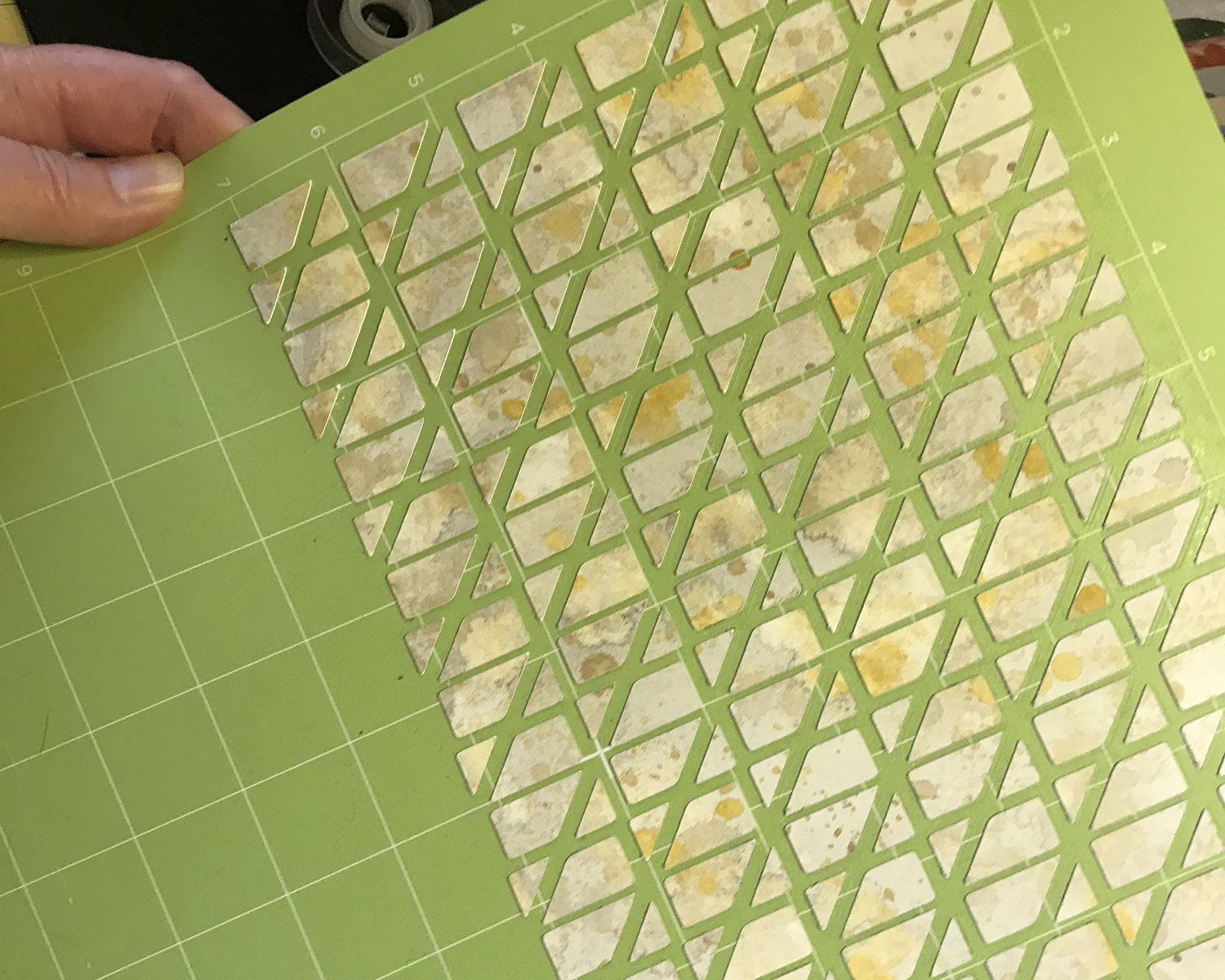
After a few more test cuts, I loaded the painted watercolor paper and began cutting tiles. Because this paper requires three passes of the deep cut blade for each tile, I used masking tape on the edges to hold the thick paper to the cut mat to ensure adhesion. (Lessons learned through bitter informative experience.)
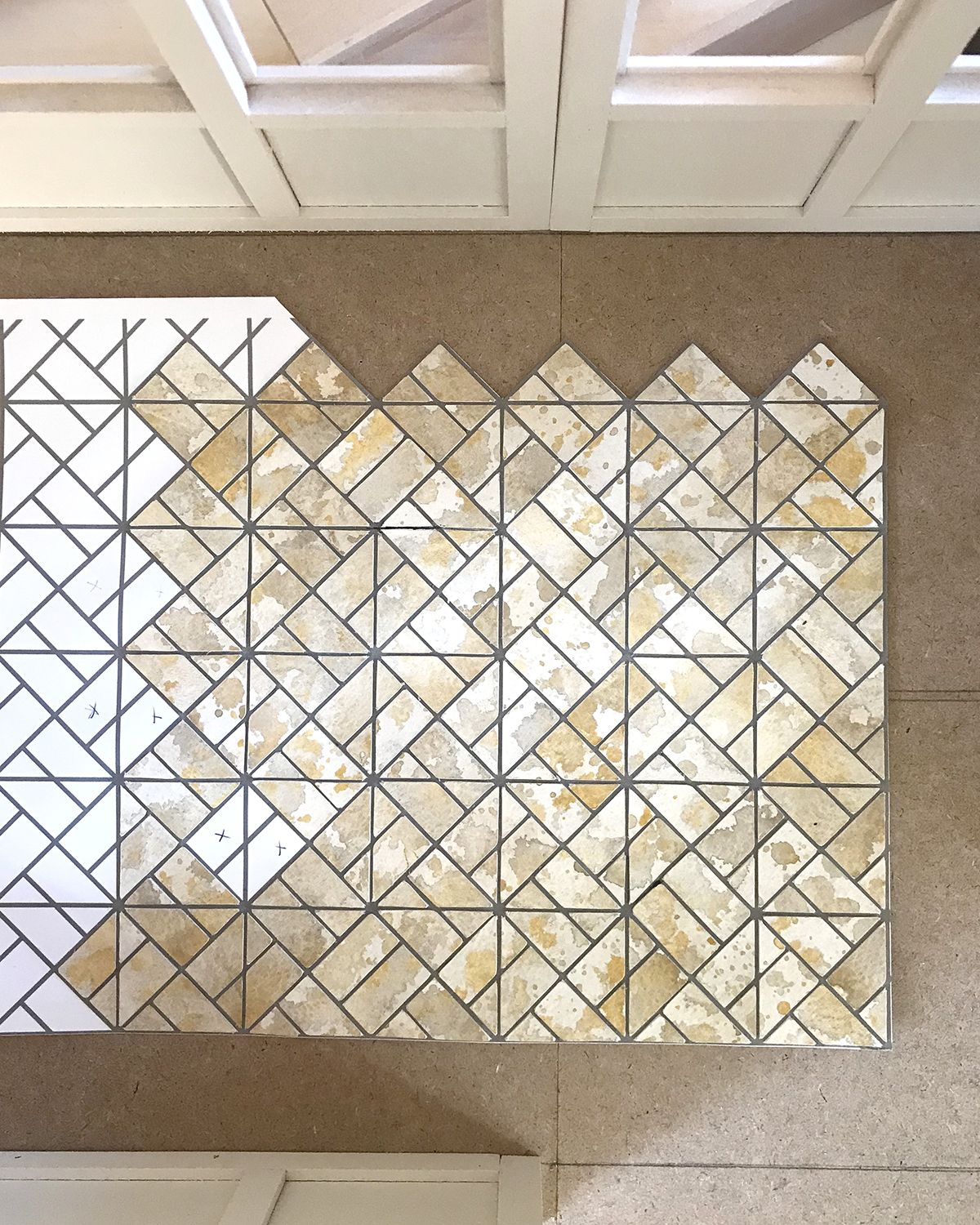
I’m gluing the individual tiles to prints of the pattern layout showing the grout lines. The process is far less tedious than I anticipated, a pleasant surprise. It *may be* that I won’t have to actually add grout after they’re all assembled and adhered to the subfloor. I plan to add one final light gray wash and some delicate speckling to the whole floor to unite the separate assemblies. And with pressing and a coat or two of matte varnish… we shall see.
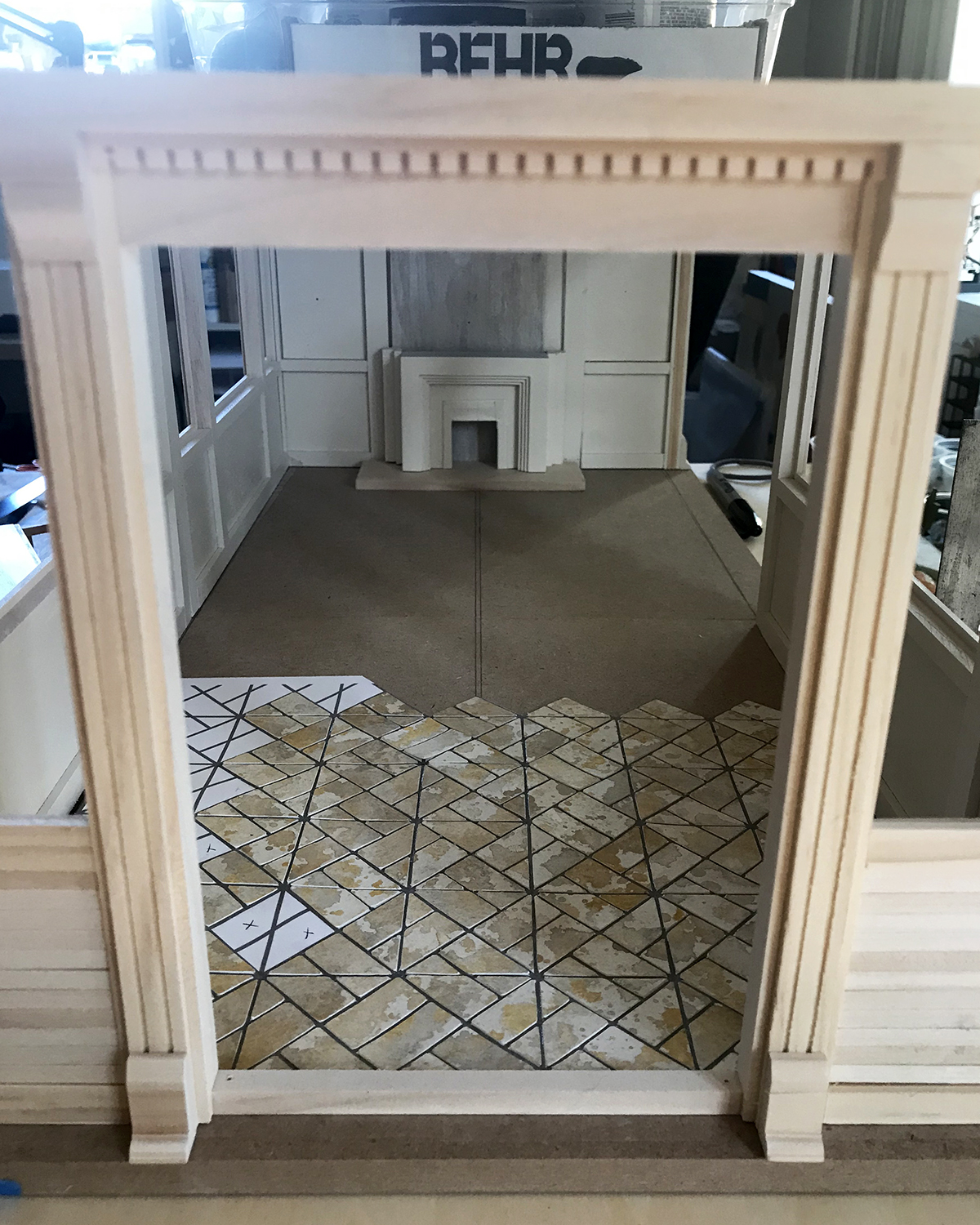
The final tile floor won’t be put in place for some time — so much painting to do! — and the ideas for its total design still floating need not be finalized at this point. Which is good, because I’m still kind of all over the place, design-influence-wise. Right now I’m trending from Art Deco back to Bauhaus, and how that might all fit in with the larger Sea House story, sea level rise, and a crow named Clary.

