50 Artist Trading Cards

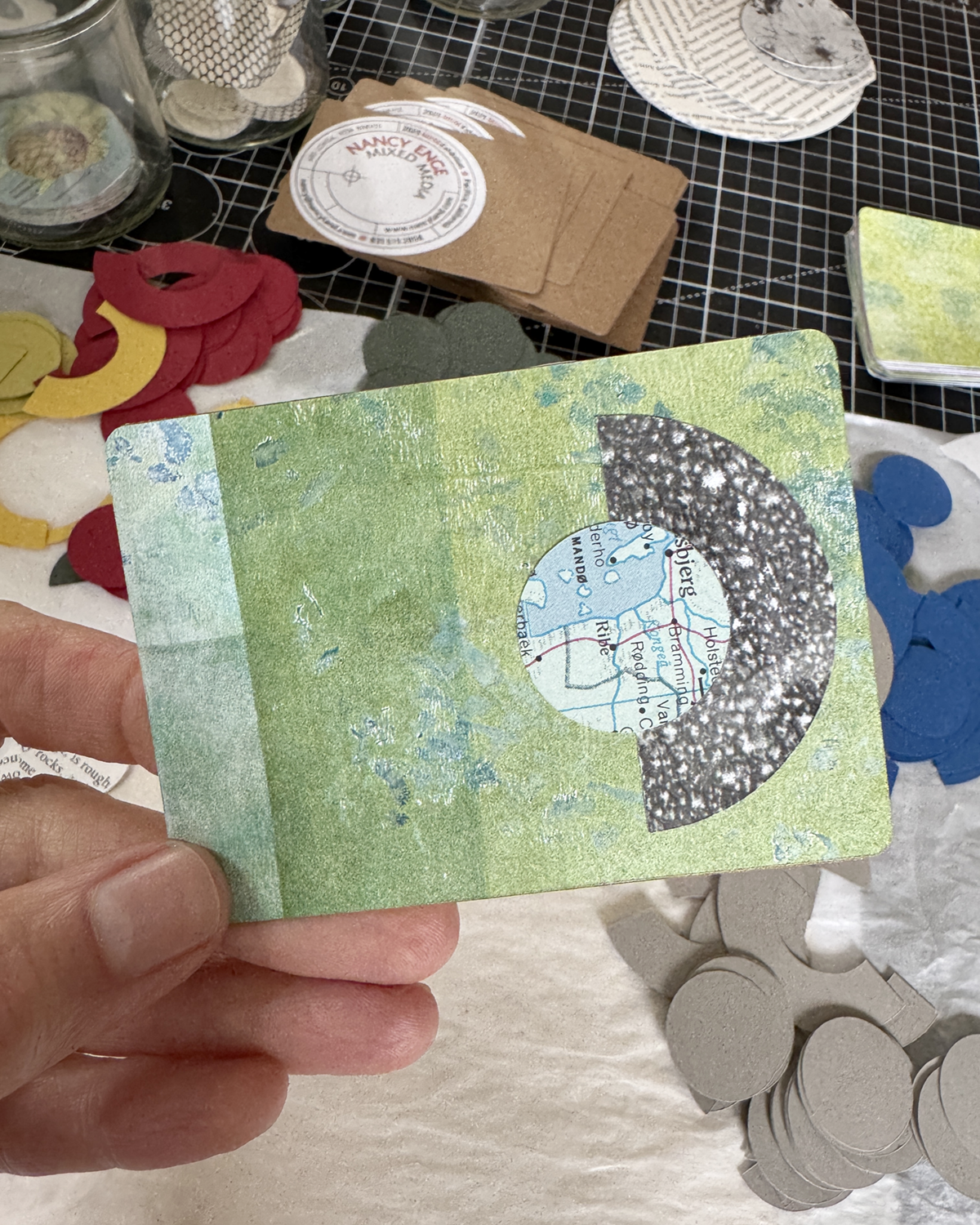
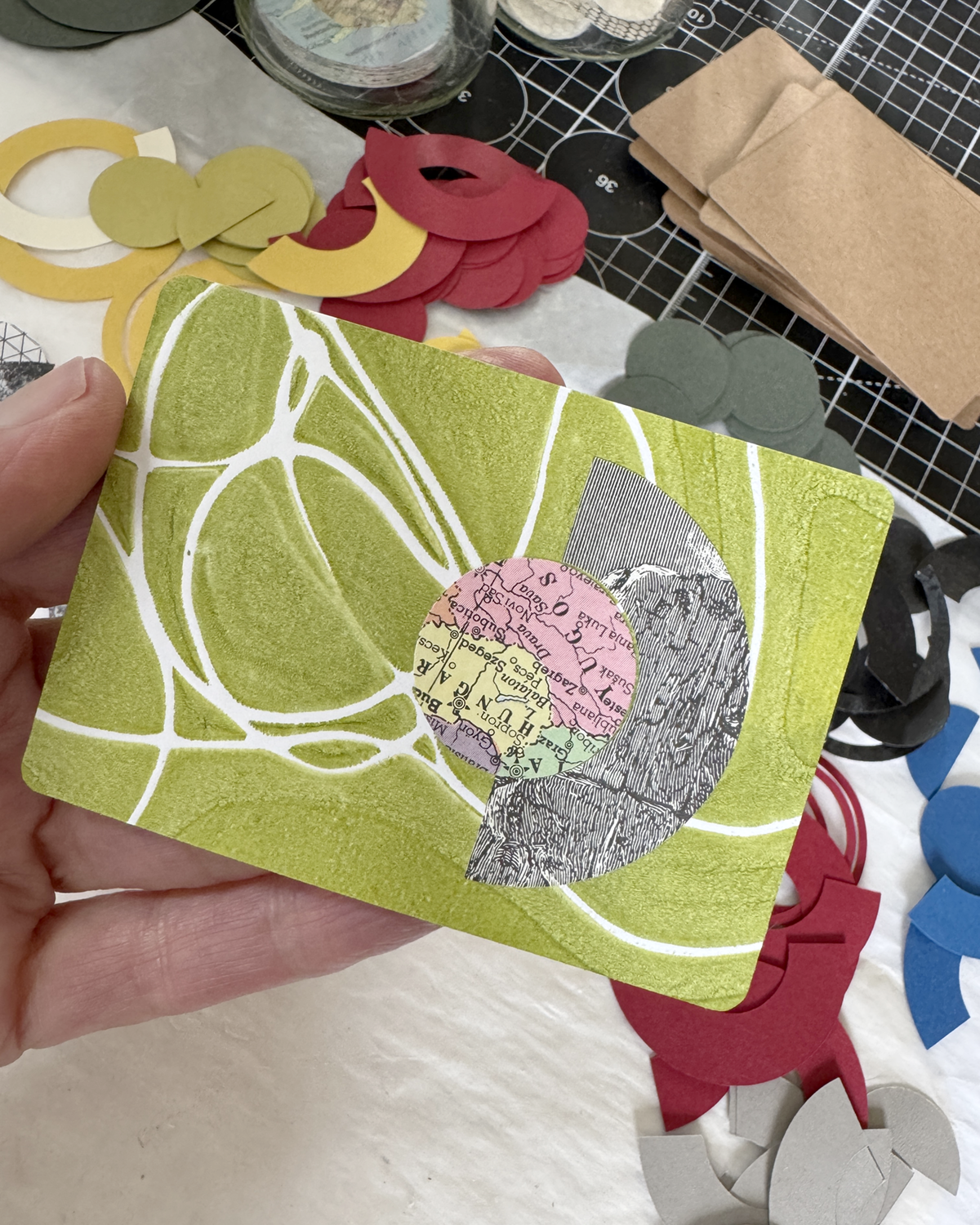
I decided to make an edition of 50 Artist Trading Cards with some of the leftover cut shapes and monoprinted papers for background. It’s a fast, fun and carefree process; no rulers, grids or light boxes involved.

Choosing which mono prints — including brayer roll-offs, as seen above — is a pleasant task, like seeing old things with fresh eyes.

Some of the papers I cut for the 6×6 panels did not play so well with the color palette, and were rejected for use. However, they look swell on the various mono prints and the smaller ATC size! Yay old maps and line drawings!

Day 50

Flashback to Day 01.

Not gonna lie, fifty 6×6-inch panels is a lot of eventual individual artworks to make in as many days. Priming and sanding them all was a good way to ease into the enormity.

Border panel work-in-progress

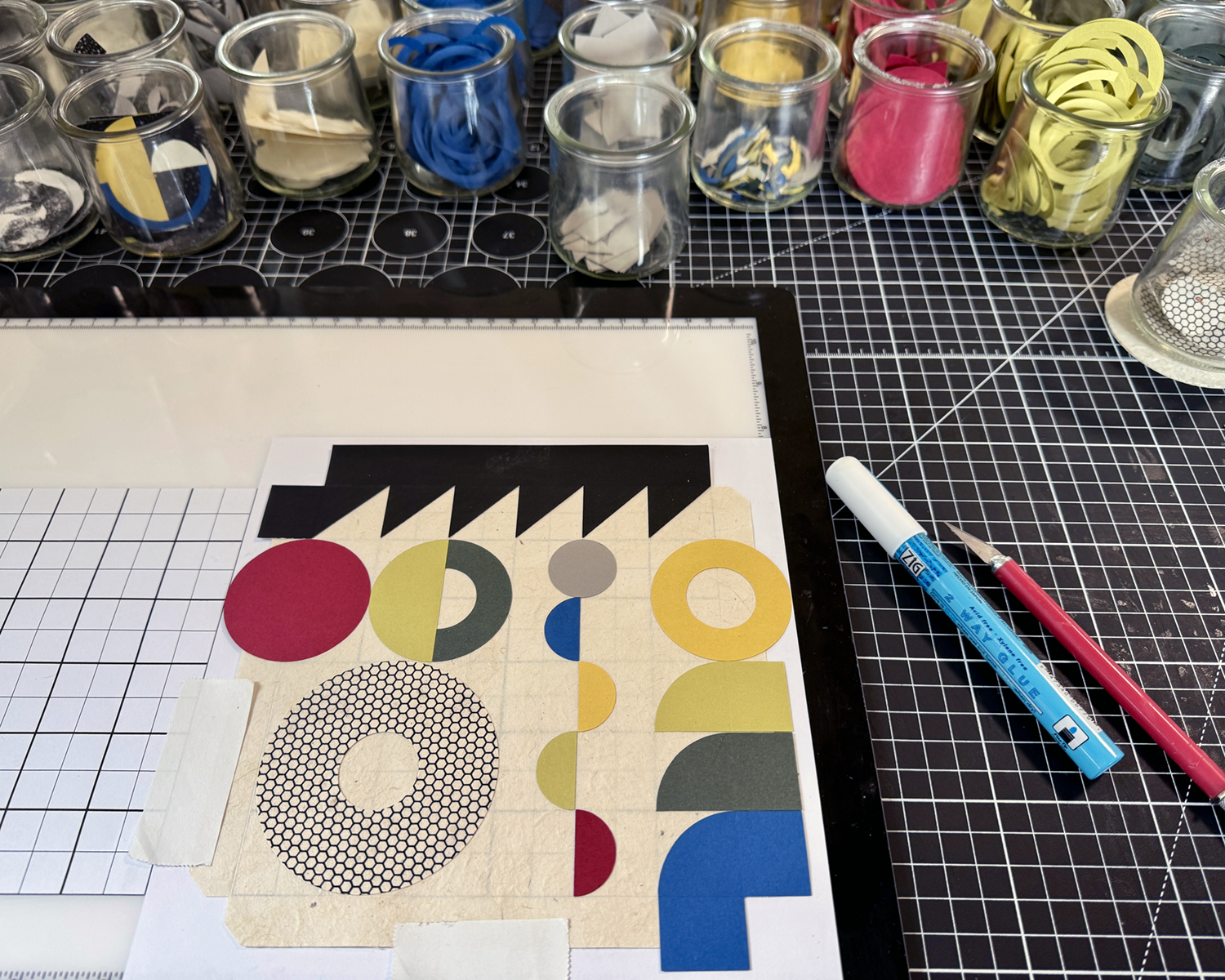
I eventually got into a kind of rhythm of creation, with a set of steps and best practices. Iteration is a great way to really explore the geometric relationships with color and balance. (Amusing, too, as I rejected placements that looked like butts or boobs, although the occasional egg yolk or eyeball were okay.) Every single panel was a surprise, and interesting to see through to its completion. Somewhere after panel 25 or so, I gained trust in the process and my ability. Flow state increased in onset and duration.

Playing with arrangements, checking in with what works

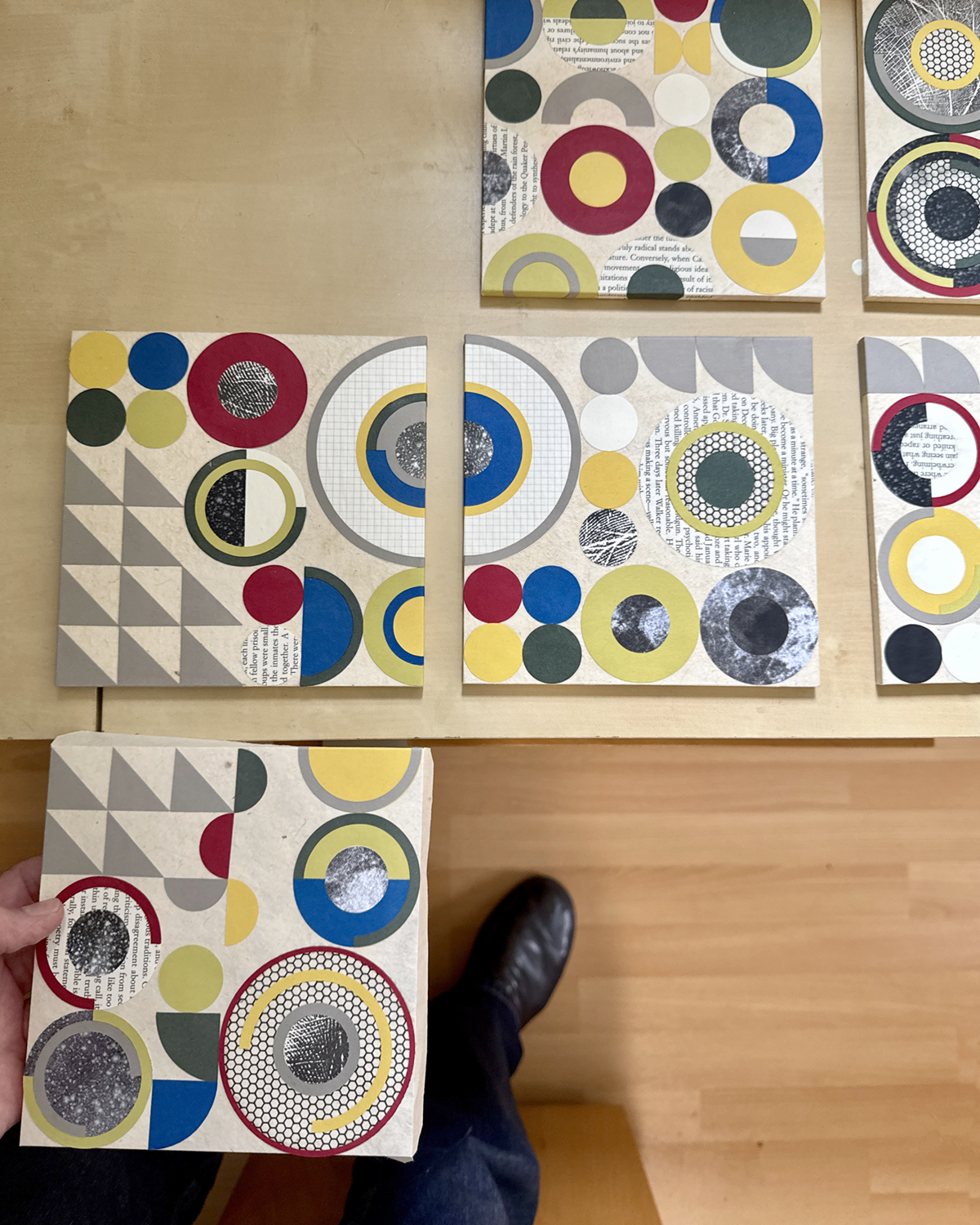
Periodically, I’d lay out the work to date on some inadequate surface and just look, to see what I could see, and use the insight or finding on the next piece.

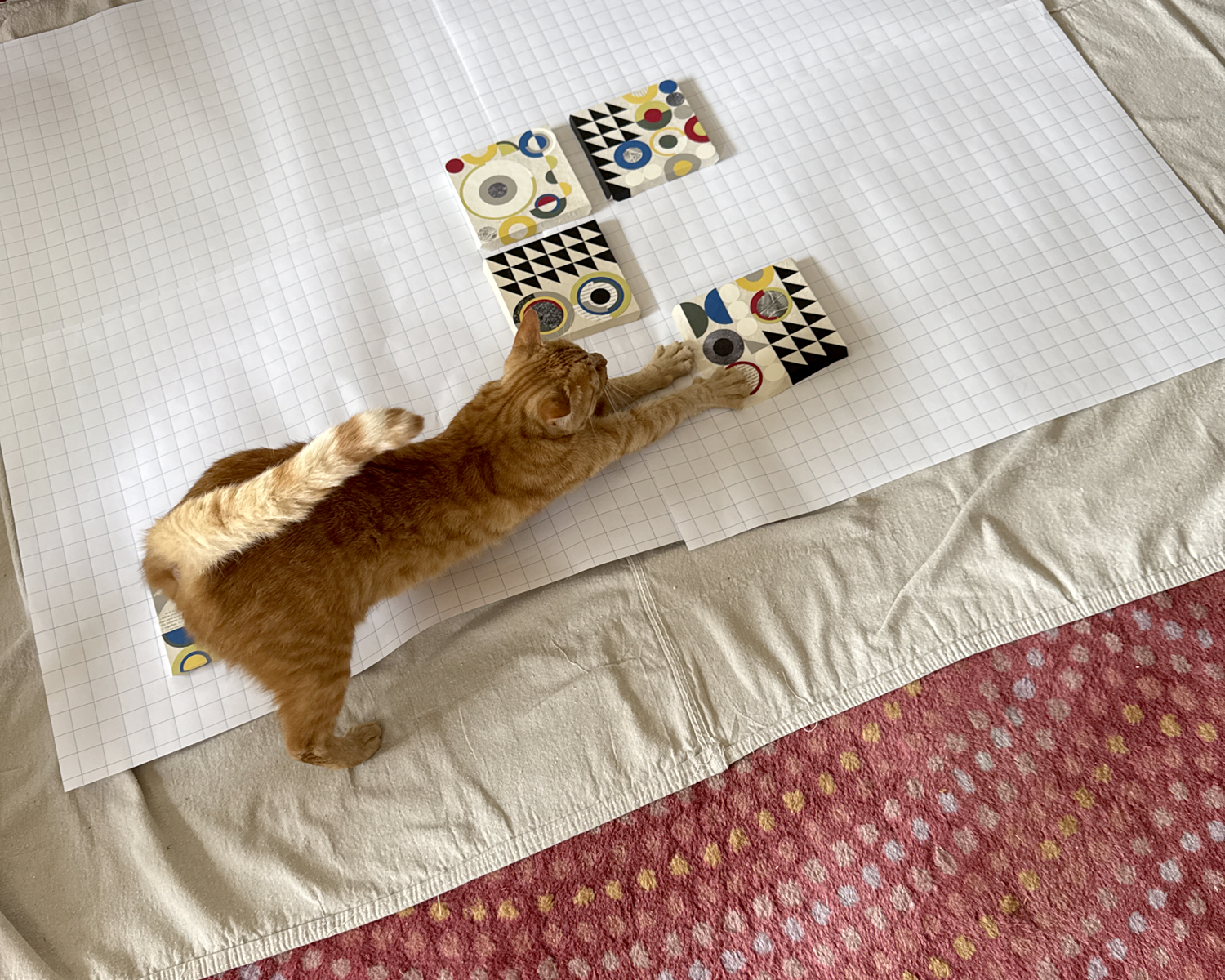
Of course I had help if I laid them out on the floor.
Studio Assistant and First Buddy Mateo

Tater has a large flat box on the ell of my desk in which he lounges and naps, etc., while I work. In the process of sorting and packaging the finished panels for transport to the gallery, I took his large box and replaced it with a smaller one — just temporarily! — and he was not at all having it.

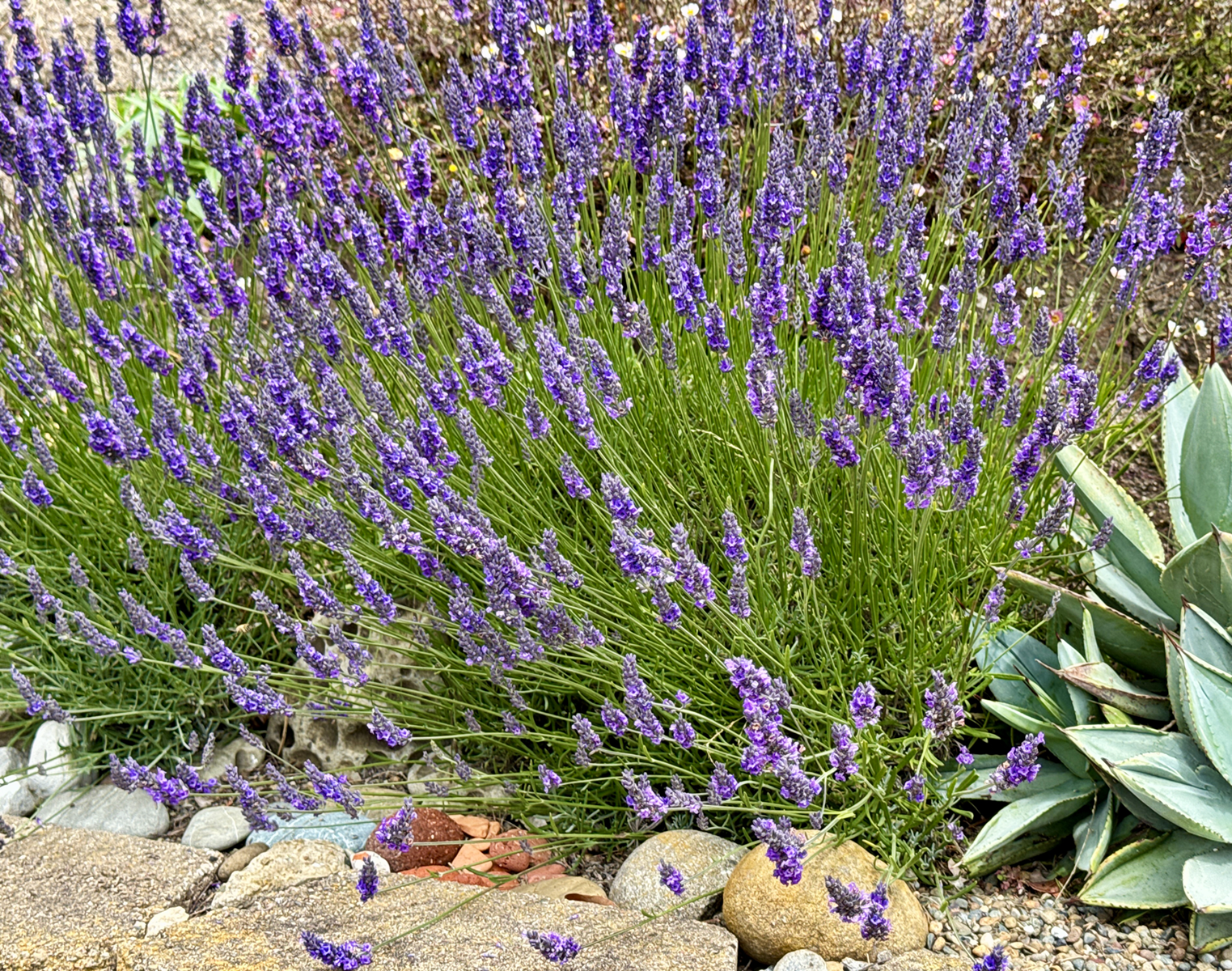
Lastly! The lavender is abloom here in foggy, mizzling Pacifica. There are about 20 bees of various species on the job, on this plant alone, and the scent is divine. I sit on the retaining wall and just breathe.

Sea House Conservatory Railing

The Sea House Conservatory deck needed a railing.

So I built one.

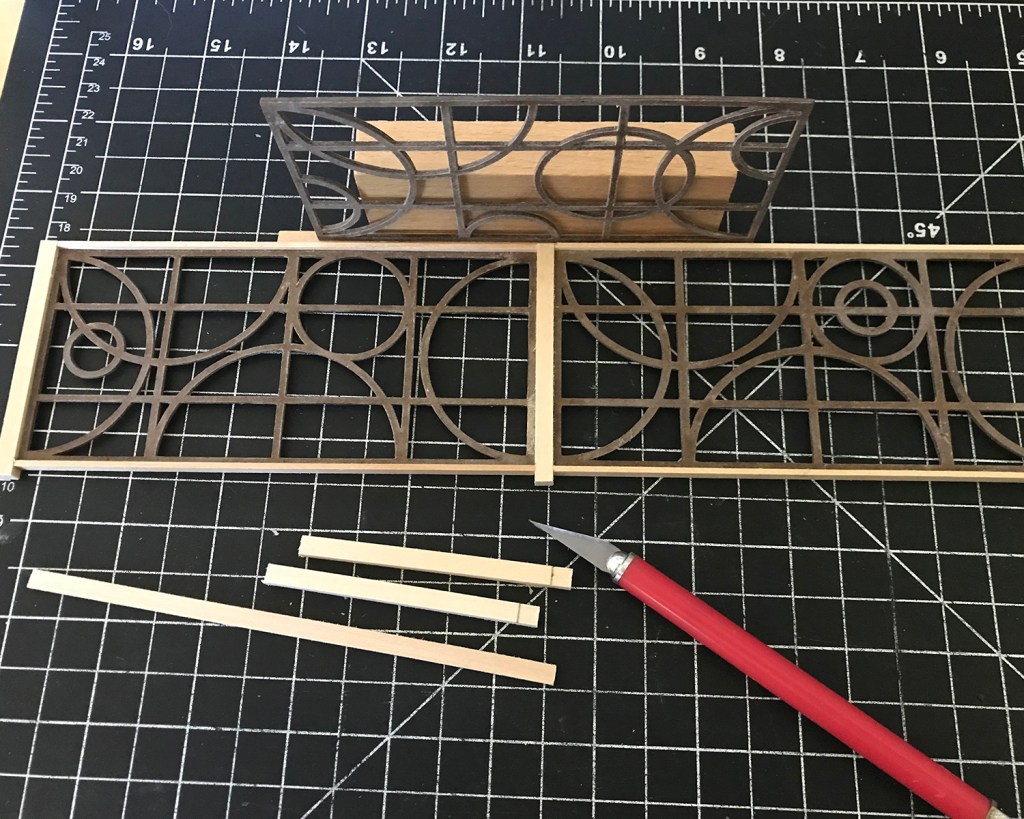
SH Conservatory railing, under construction

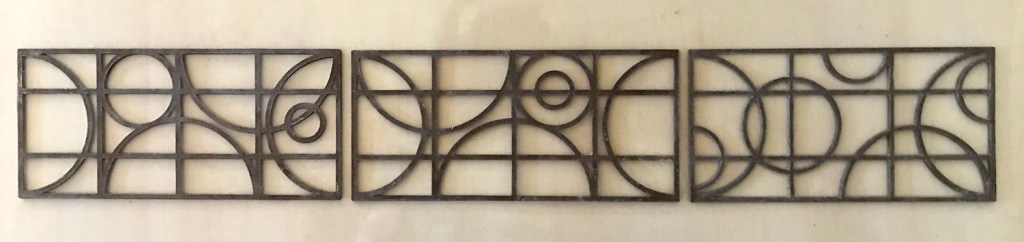
The Conservatory has a celestial motif in the leaded windows, which is carried through in the railing panel design.

I cut multiples of each panel from chipboard on the Cricut Maker. (Side note: I get the best results from editing the cutting presets, after a test cut on my chosen material.) I decided on a double, rather than triple layer, to lessen the alignment errors.

I used a lamination technique I learned from the talented Heather Tracy at Thicketworks. She uses thin cyanoacrylate on her intricate chipboard pattern pieces to seal, strengthen and stabilize the material. When dry they are easily sanded and very, very hard, and take acrylic paints beautifully.

Wheelbarrow pattern design by Heather Tracy of Thicketworks

To learn the nuances of the technique, I used one of Heather’s patterns she generously makes available free of charge. (She also has an Etsy shop, a YouTube channel of tutorials, and a maker club.) I made the blue wheelbarrow first, and then the red, slightly improving my results. It is a worthwhile technique, but messy. (Also, to me cyanoacrylate is one of those devil’s bargain products.) If you’re not familiar with Heather’s work, I encourage you to check it out!

After sanding the panels smooth — paying particular attention to the outside edges — I glued (using wood glue) them into post and rail surrounds.

These were then joined into the L-shaped railing.

I sprayed the assembly with multiple light coats of matte black primer + paint, to seal and increase attachment bonds. After the glue and paint cures overnight, I’ll finish sand it and paint a final coat, then give it a matte seal.

I like a good wide top railing, for cats to lounge, elbows to lean, and drinks to be set upon, so I used 3/4- by 1/8-inch basswood. Thinking now of bracket designs to be cut from card stock to attach the railing securely to the deck, but that’s for tomorrow.

Having just finished watching the Amazon series Tales From The Loop, I’ll leave you with this image of Point Montara Light.

Sea House Leadlights Interior, Roof; Scarlett

Hello Sea House Leadlights office

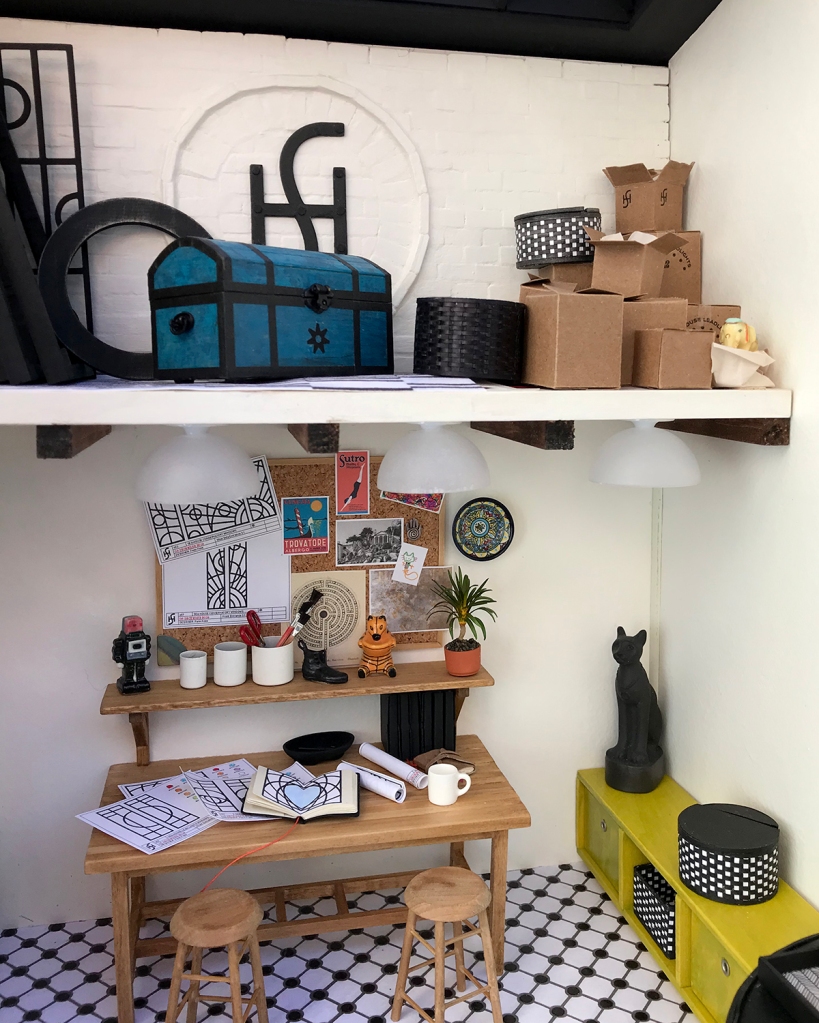
The entrance to the Sea House Leadlights office is up a few stairs and across the deck to the left of the fireplace. A set of leaded glass doors opens into a snug but functional design studio.

Details: Terra cotta pot by Braxton Payne. Basswood deck and siding stained with Minwax Classic Gray. Pumpkins made from tissue paper and thread. Boulders sculpted from air dry clay painted with acrylic washes and sealed with ultra matte varnish. All succulents, yucca and other plants hand colored with W&N Promarkers. Many are prototypes; some available as kits at Modern Miniature Succulents + Sundries.) 

Desk and bulletin board

Beneath the half-loft a large tabletop desk has plenty of room to roll out plans and inspiration. Low built-in cabinets with black leather cushions provide more seating, storage and level surfaces for tea trays.

Details: The ceiling lights are 12V modified for warm white LEDs. Bulletin board is made from cork sheet framed with basswood stained to match. Sketchbooks made from my kits at MMS+S. Various meaningful artifacts including original leaded glass designs for other Sea House buildings, and a drawing of a cat by my then 4-year old daughter. Fèves, prized vintage Monopoly shoe, and an anodized earring from the 1980s.

The white-washed brick loft stores window frames, tools, Sea House memorabilia and miscellaneous treasure — as well as the switch (lift the black basket) and battery pack (hidden in a custom box) for the LED lights.

Details: Oh yeah, the baskets and boxes are also available as kits at MMS+S.

A gazebo-style roof welcomes natural light. (I’ll detail more of that happy construction in another post.) I made the 1:144 scale basswood model of the source kit for the original Sea House Pavilion, built some years ago. The Egyptian cat is a porcelain fève. Best of all is the vibrant painting by Jim Tracey that commands the studio — also another post.

Finally, of course, Scarlett. Here she has somehow managed to fluidly infiltrate an impossibly small entrance to the Sea House Sea Rise Pavilion loft (my ongoing remodel of the original 2013 build.) I swear she does these things just to remind me she can.

Oh, how she makes me laugh.

Sea House Leadlights Back Wall; No

Part of the back wall of the Sea House Leadlights design studio

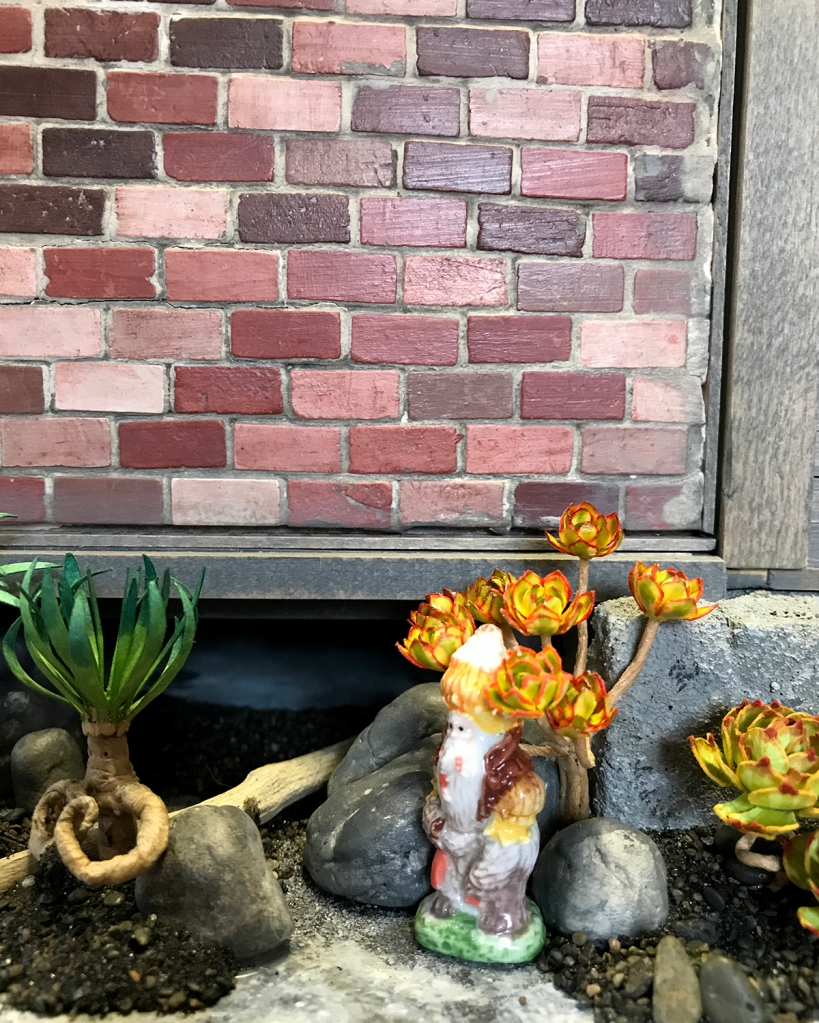
The back wall of the Sea House Leadlights design studio is about utility and remembrance. There’s a water spigot and old brick patio remnant for transplanting yucca and succulents. A faded advertising poster from nearby attractions survives on the wall, as does a longhorn cow skull from ranch days.

(Details: Brick wall grouted with tinted spackling paste and aged with muddy gray acrylic wash. Garden tools by Sir Thomas Thumb. Terra cotta pot by Braxton Payne. Basswood siding stained with Minwax Classic Gray. Foundation made from styrofoam, detailed here. Cow skull is resin, aged with Winsor & Newton Promarkers. Boulders sculpted from air dry clay painted in several acrylic washes and sealed with ultra matte varnish. All succulents, yucca and other plants hand colored with W&N Promarkers. Many are prototypes; some available as kits at Modern Miniature Succulents + Sundries.)

Who is this?

A vintage collection of gnomic being fèves populates the succulent understory. I tried to match their colors with the foliage, as they prefer to blend in. This guy is far more camouflaged in the final build, rest assured.

(Details: I find my fèves here.)

No

And, no. Never say never, and never ever compromise your instincts. This is my younger granddaughter Ruby, when somebody told her NO. She is two years old, approaching three. Know your truth.

Conservatory, Cycladic, Tomato, Cats, Rust

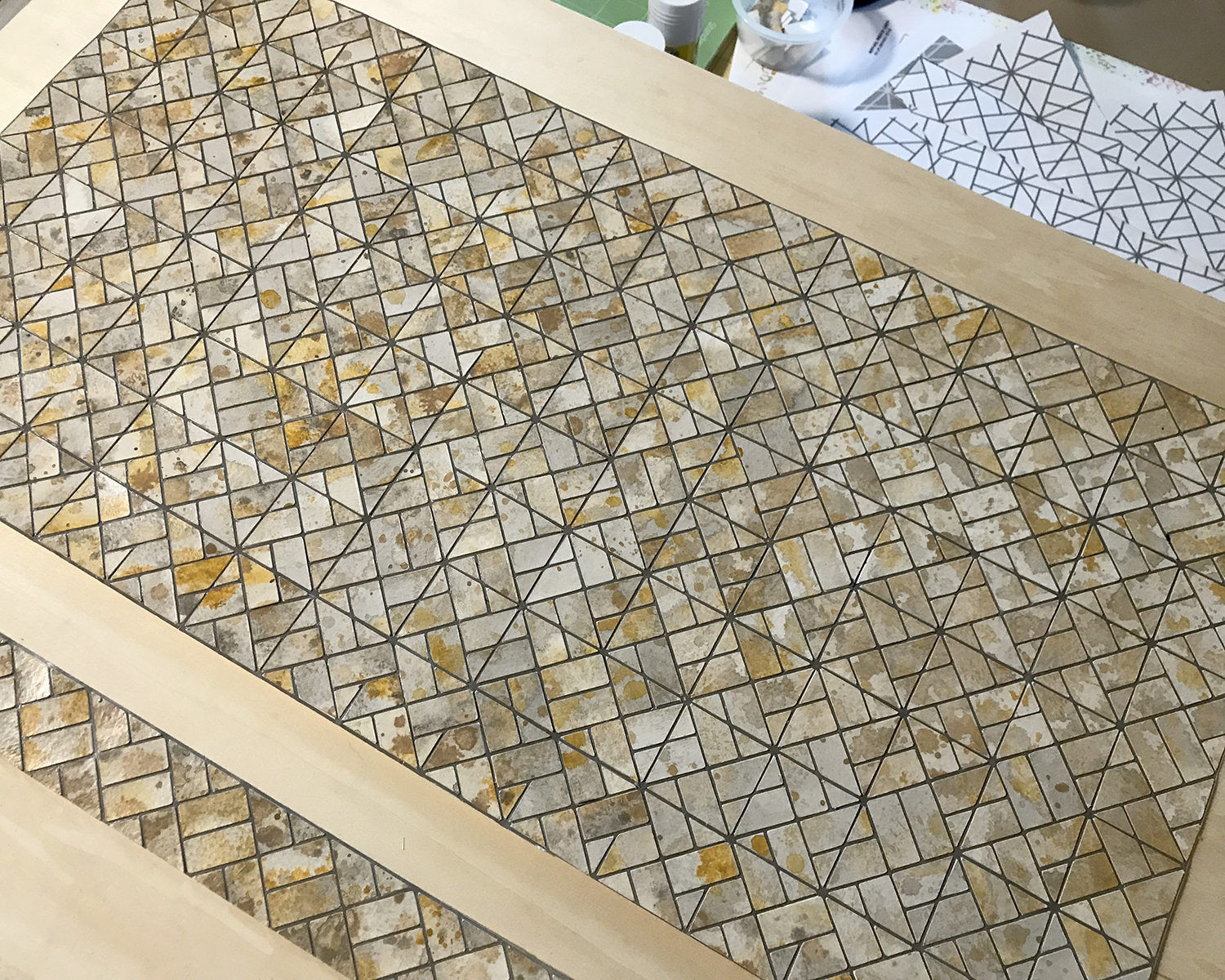
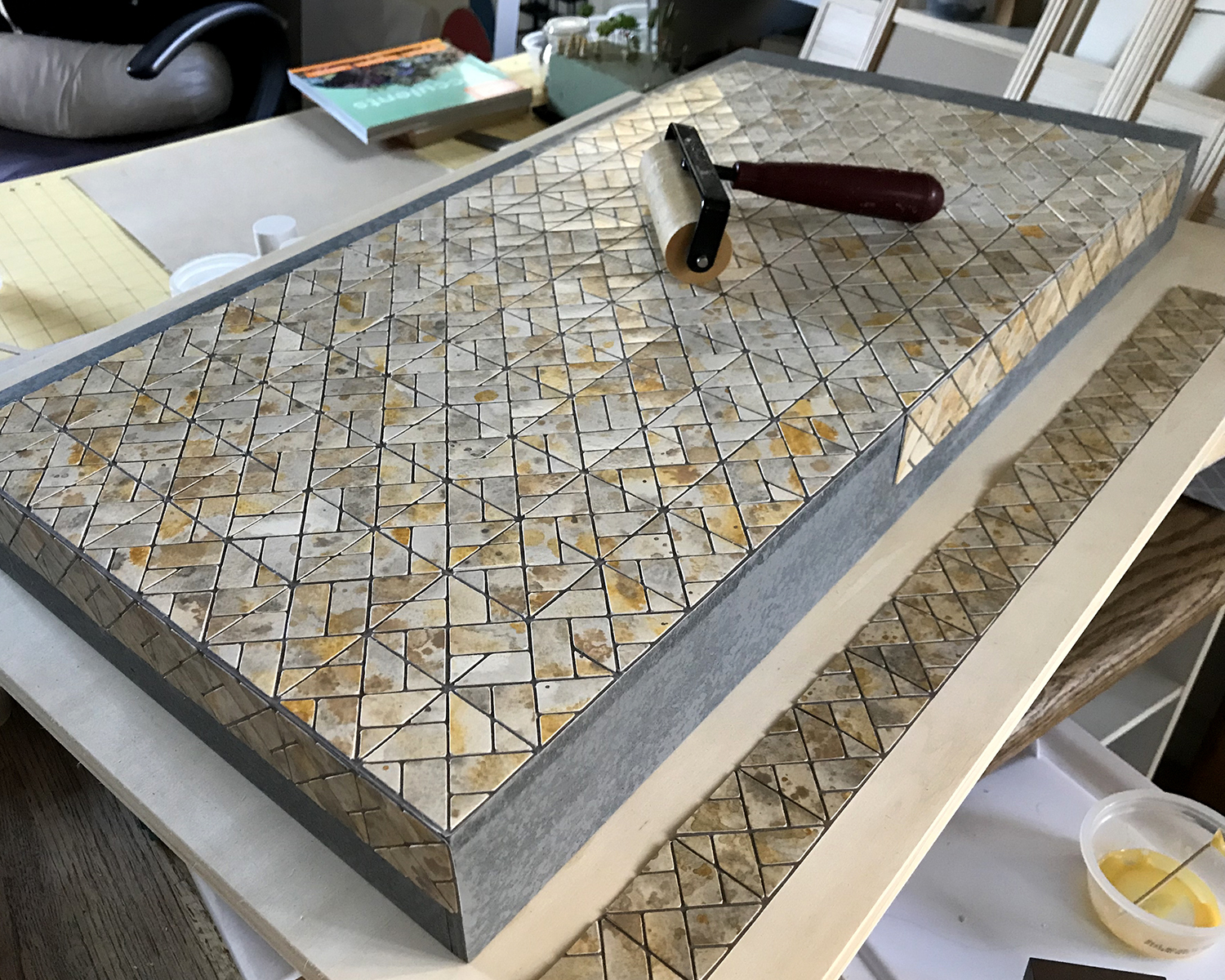
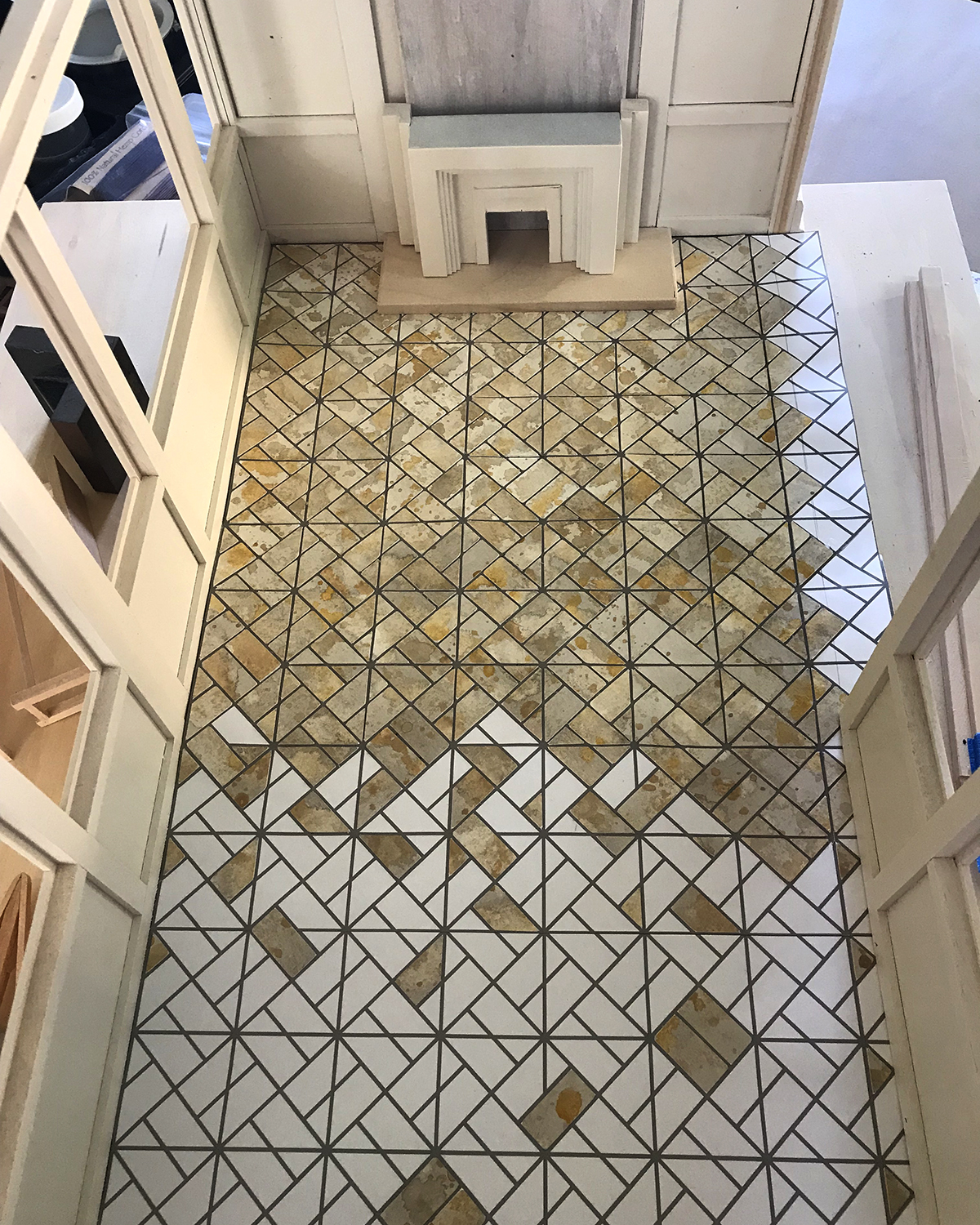
I finished gluing the painted paper tiles to the pattern for the Sea House Conservatory main floor.

Stoic Albie helped keep them flat, as Stoics do.

I then spent a lot of time considering how best to make the floor fit the base and carry over to outside the walls in a way that pleased me. 

If I was a cat, this is how I might look pondering the options. “Why yes, that might actually work …”

As part of the solution, from quarter-inch birch ply I built a two-inch riser for the base and painted it medium grout gray. And — not because I want to relive the 1980s and feature wall faux finishes — I sea-sponged on a lighter warm gray. Mostly because I didn’t want to stare at a flat gray box. (My building process involves a lot of staring.)

Eventually, the weather/temperature/humidity cooperated and I was able to spray two good coats of matte sealer on the floor tile assemblies, prior to their grouting.

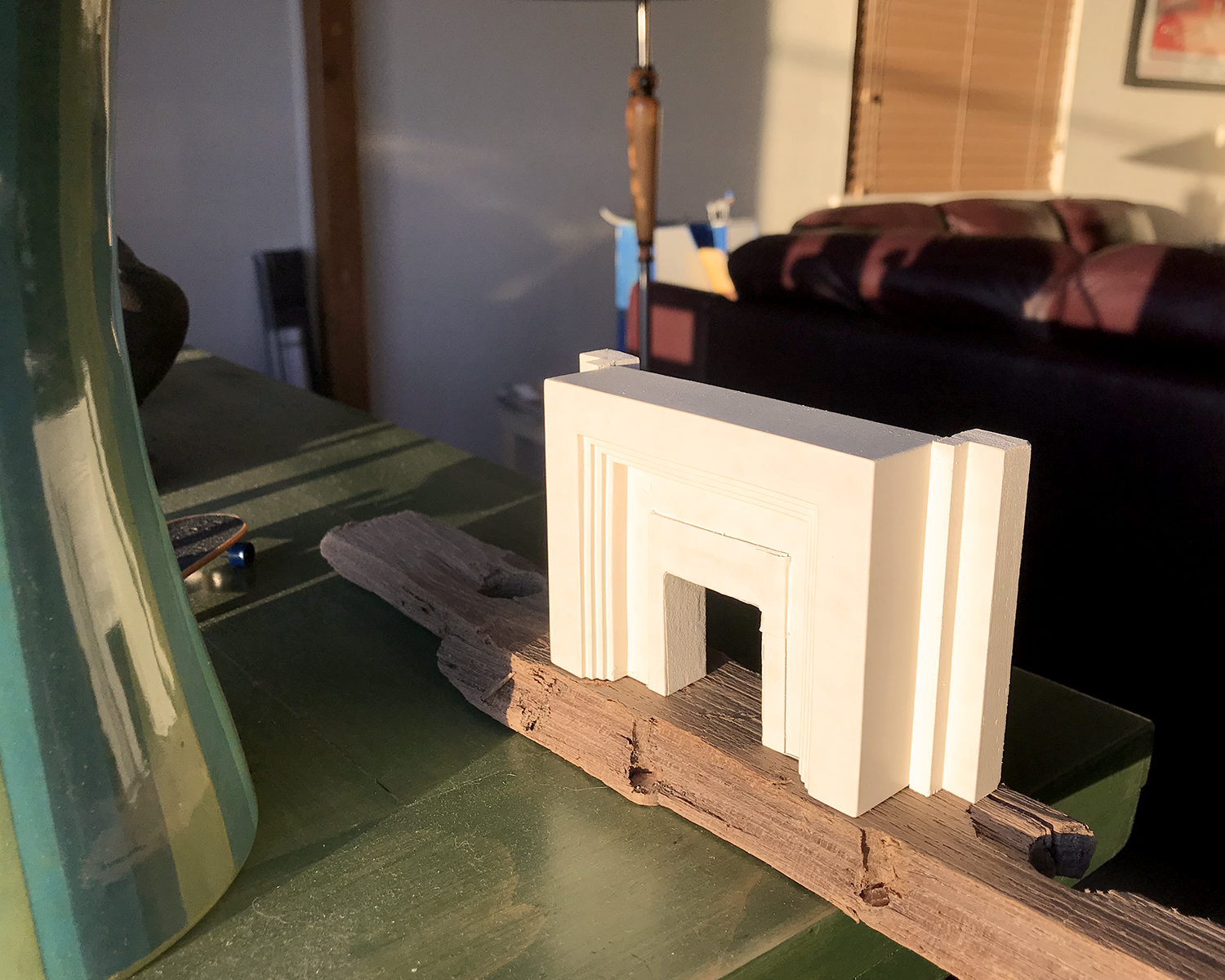
Also got a few more coats of satin antique white on the fireplace. (Built from this Houseworks Deco fireplace.) Here it is curing in the late afternoon sun, admiring its reflection in a glazed ceramic vase.

gluing_down

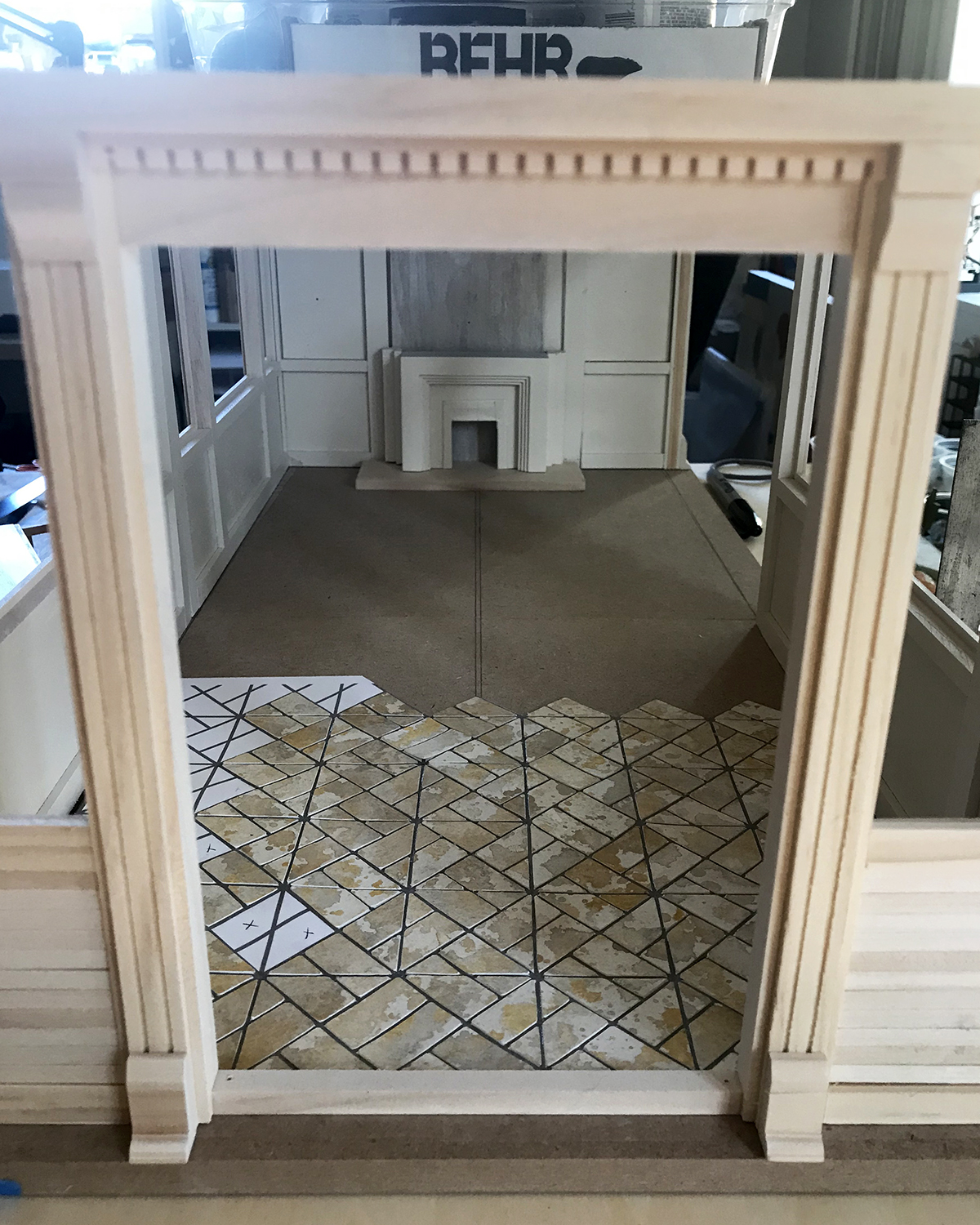
Gluing down the sealed tiles to the base. It will might make more sense in a few days when you see the whole idea. Are you really, really weary of seeing pictures of these tiles?

polkadot_towel

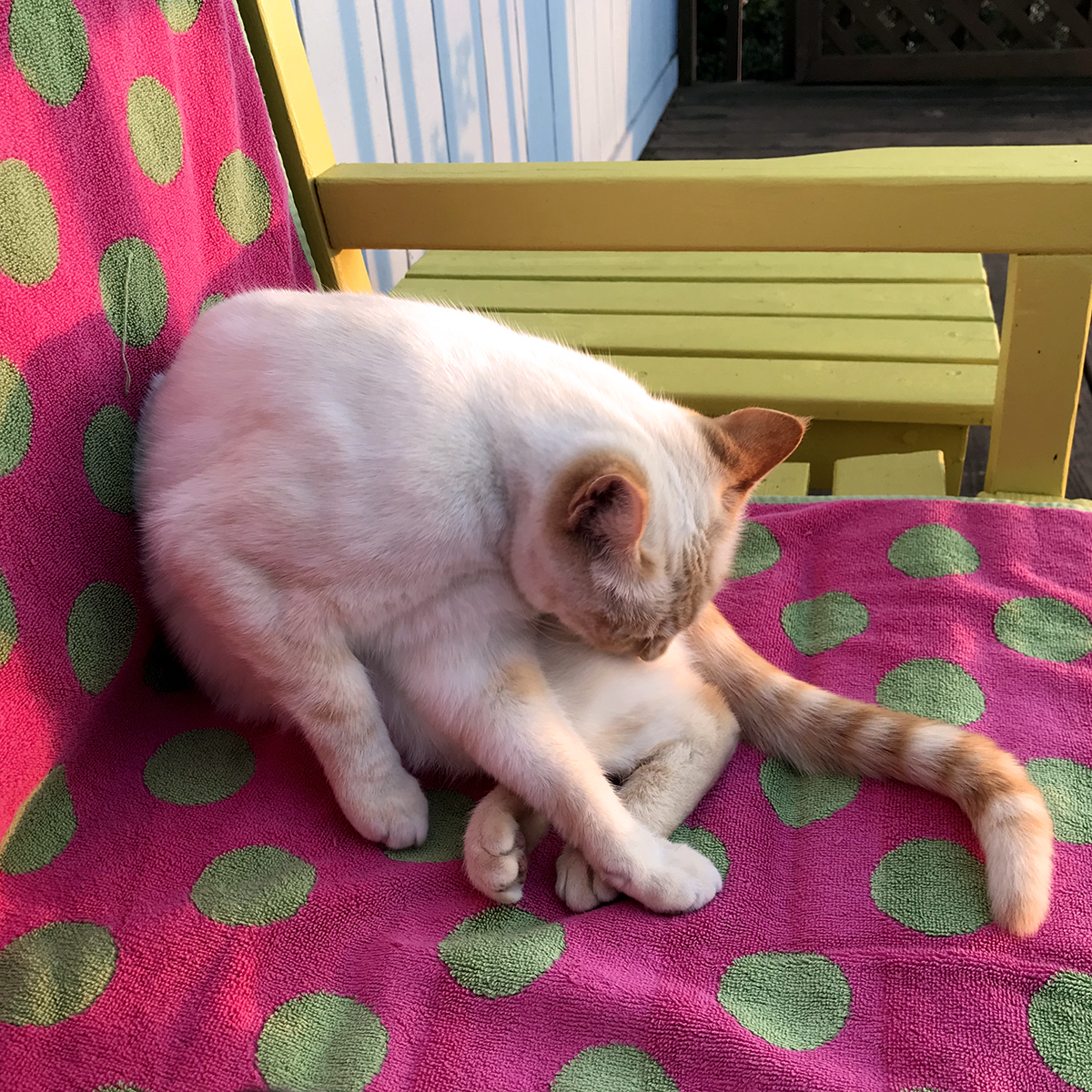
Then here’s a pic of Scarlett sitting next to me on the front deck yesterday, watching the sun go down (and grooming). (Her, not me. I was sipping a glass of delicious Double Brut IPA.)

cycladic_spirals

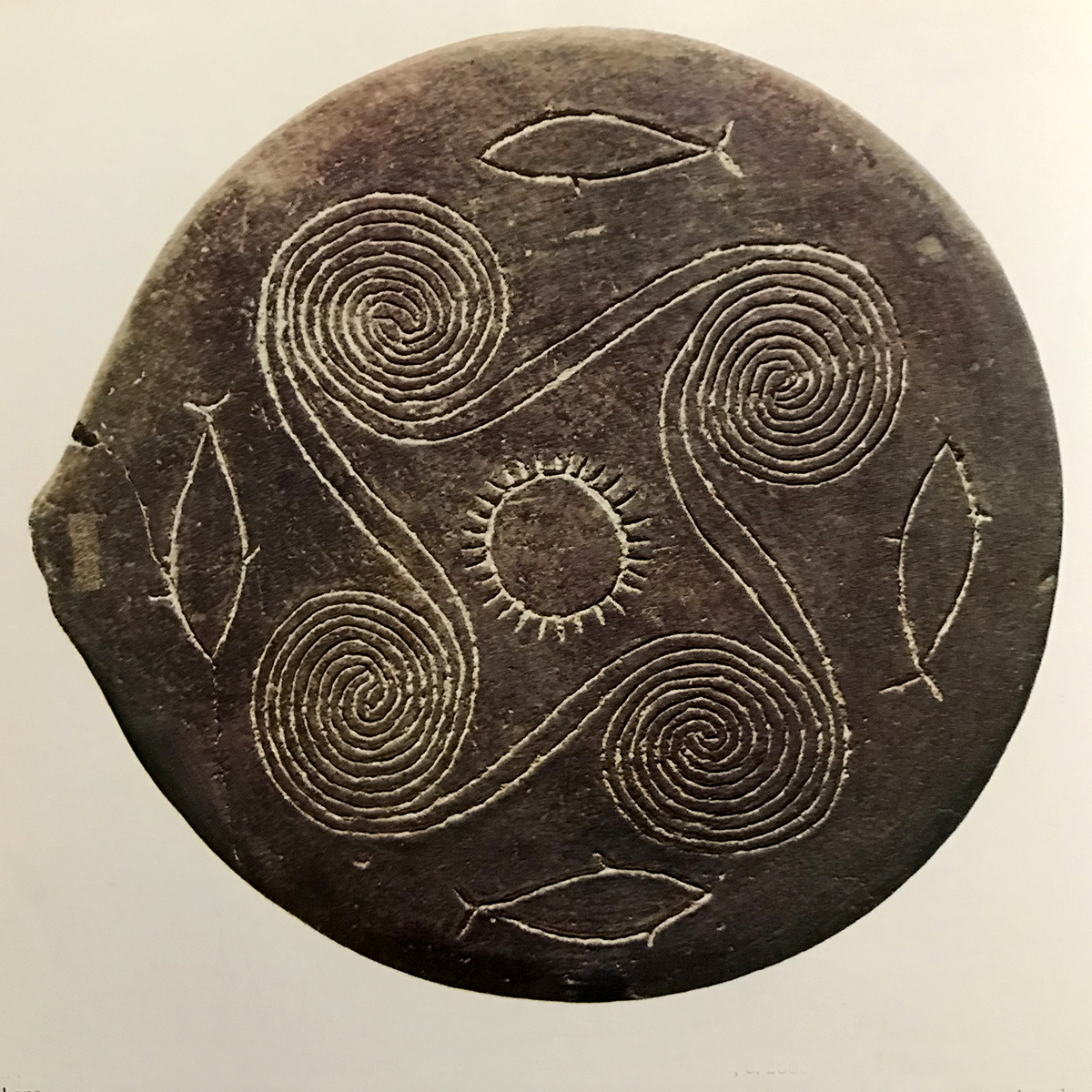
This is my current design inspiration for conservatory decor. It is a Cycladic terra cotta vessel from 2000 BC — ! — found on Naxos. I’m smitten with everything about it: the spiral waters, fish, the sun, or maybe a full moon? (From Art of Crete, Mycenae and Greece by German Hafner, 1968, public library.) 

floor_dryfit_00

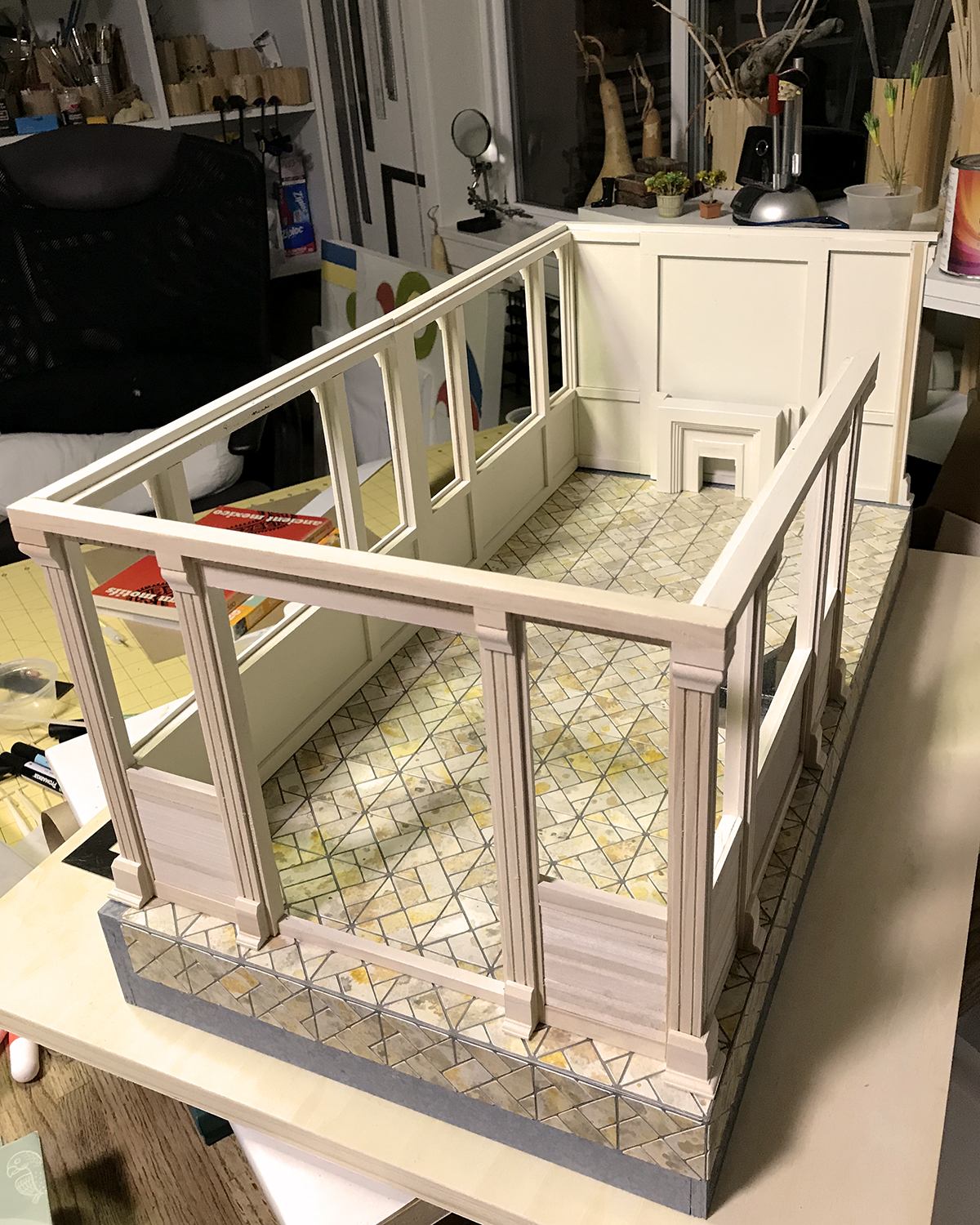
A last peek at the conservatory in the night studio, with the standing walls. For now.

tomato

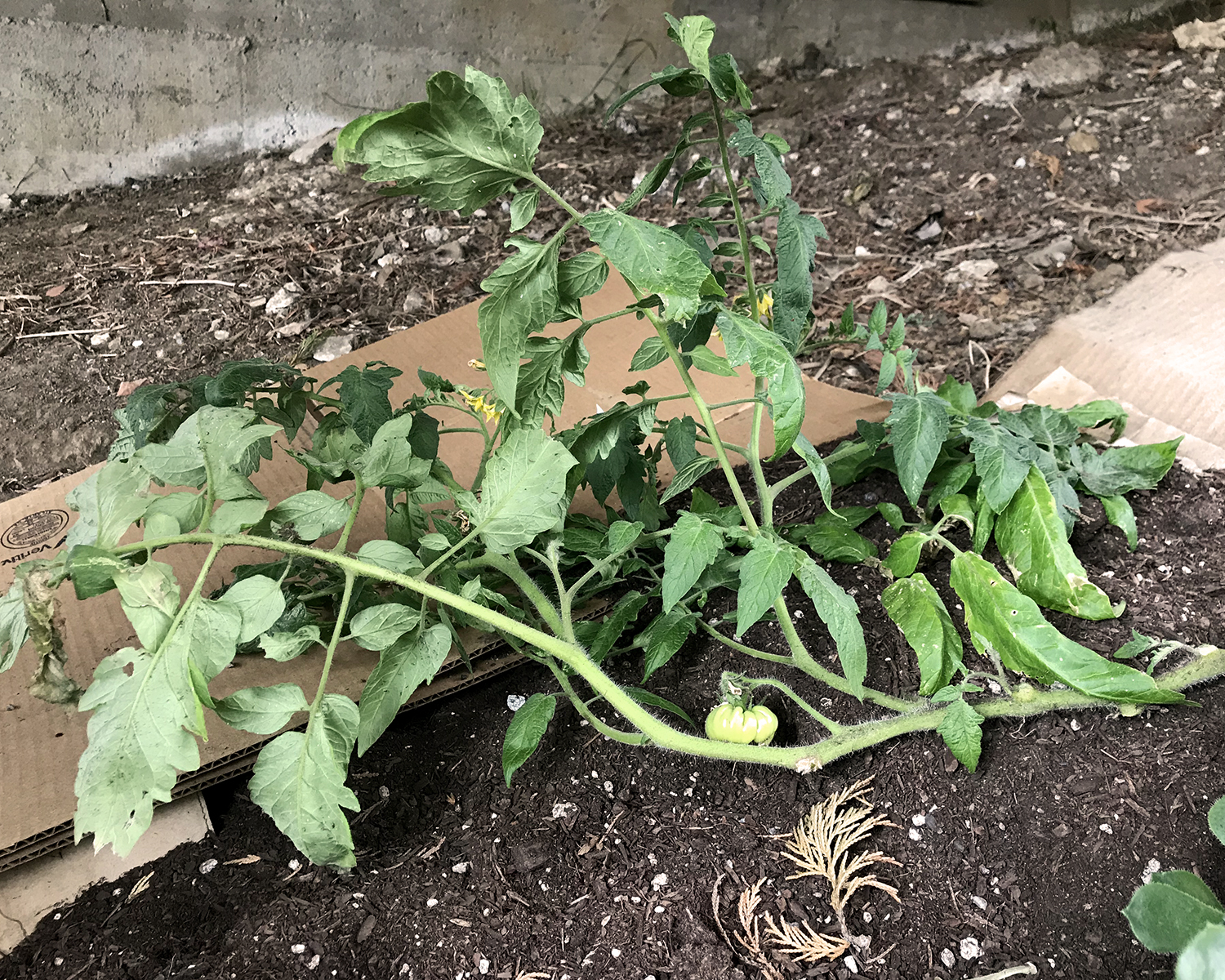
In real life, I’m working on a landscaping project on the side of our hillside house under the sunroom add-on. The soil is compacted and full of rubble, and I’m putting down flattened cardboard to suppress what weeds do grow, and adding top soil, compost and worm castings. There’s next to no direct sun, so I’m transplanting hardier succulent cuttings to see what will survive. They get a little leggy reaching for the light, but they’re doing all right. In September I noticed what looked like a young tomato plant growing at the back of the area, evidently self-started from the compost. When it put out flowers I was charmed; what hope and vigor this plant has! And then the other day I noticed it had made a tomato! A single, multi-lobed heirloom. In December! It’s like a miracle :)

rust_plancha

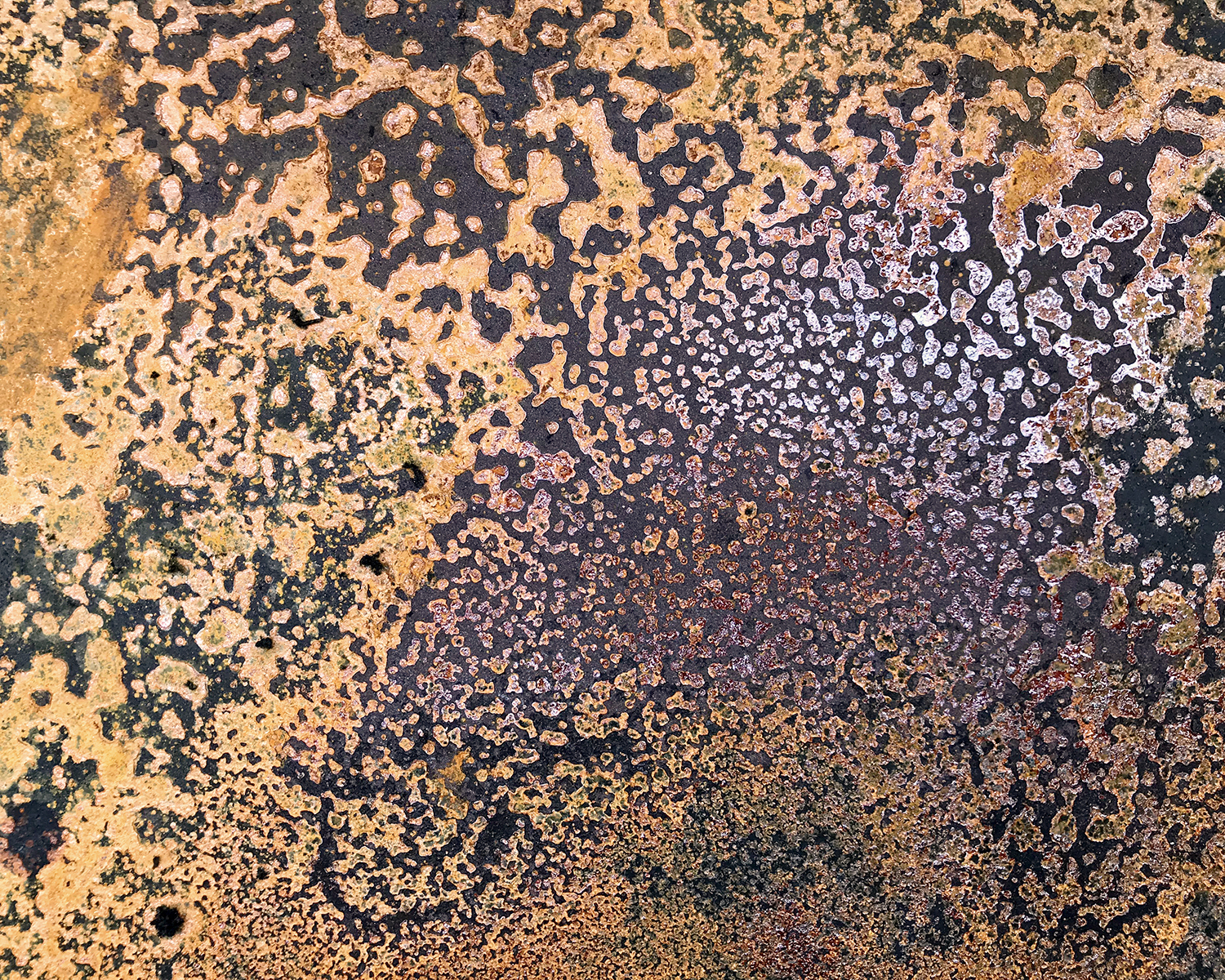
And finally, here’s one for your reference files. Look at the beautiful rust pattern and colors on this cast iron plancha, sadly left out in the rain next to the BBQ. (Left behind when our neighbors moved, it was already warped, but was still serviceable for outdoor cooking.) We’ll see if I can bear to scour it clean, or if it joins the Things That Are Rusting collection.

Doesn’t everyone have one of those?

Sea House Conservatory: More Floor Tiles

I added more pattern sections to the tile floor template.


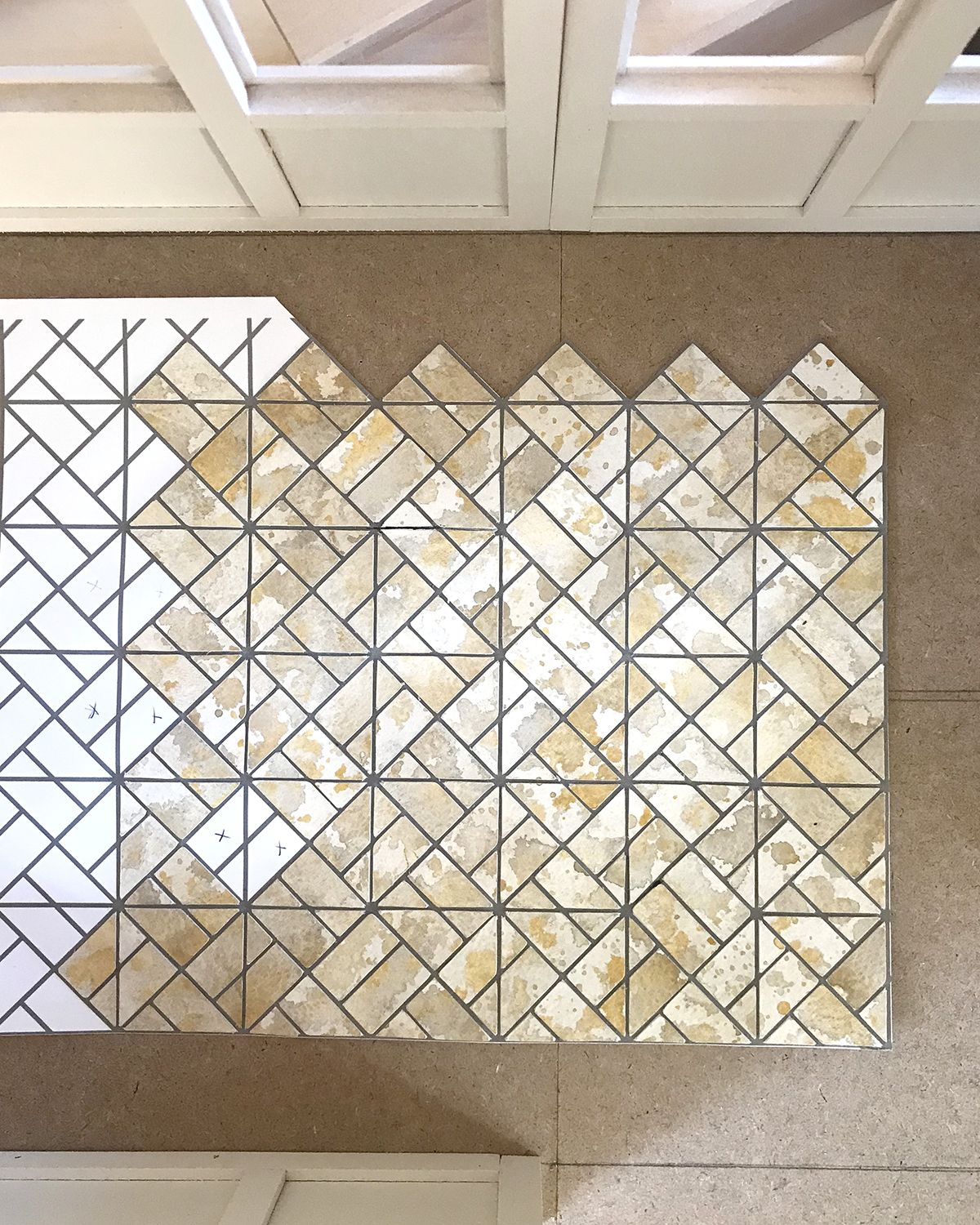
To facilitate a smooth transition between tile colors, when I began to run low on the first set I glued them randomly further out on the template to integrate with the as-yet-to-be-painted new batch of tiles.

Using the same paints as before, I splattered up a new sheet to cut into tiles.

Meanwhile, I’ve got a working idea for the back fireplace wall, so I can alternate experimenting on that with setting floor tiles.

Sea House Conservatory: Tiled Floor

painted_paper

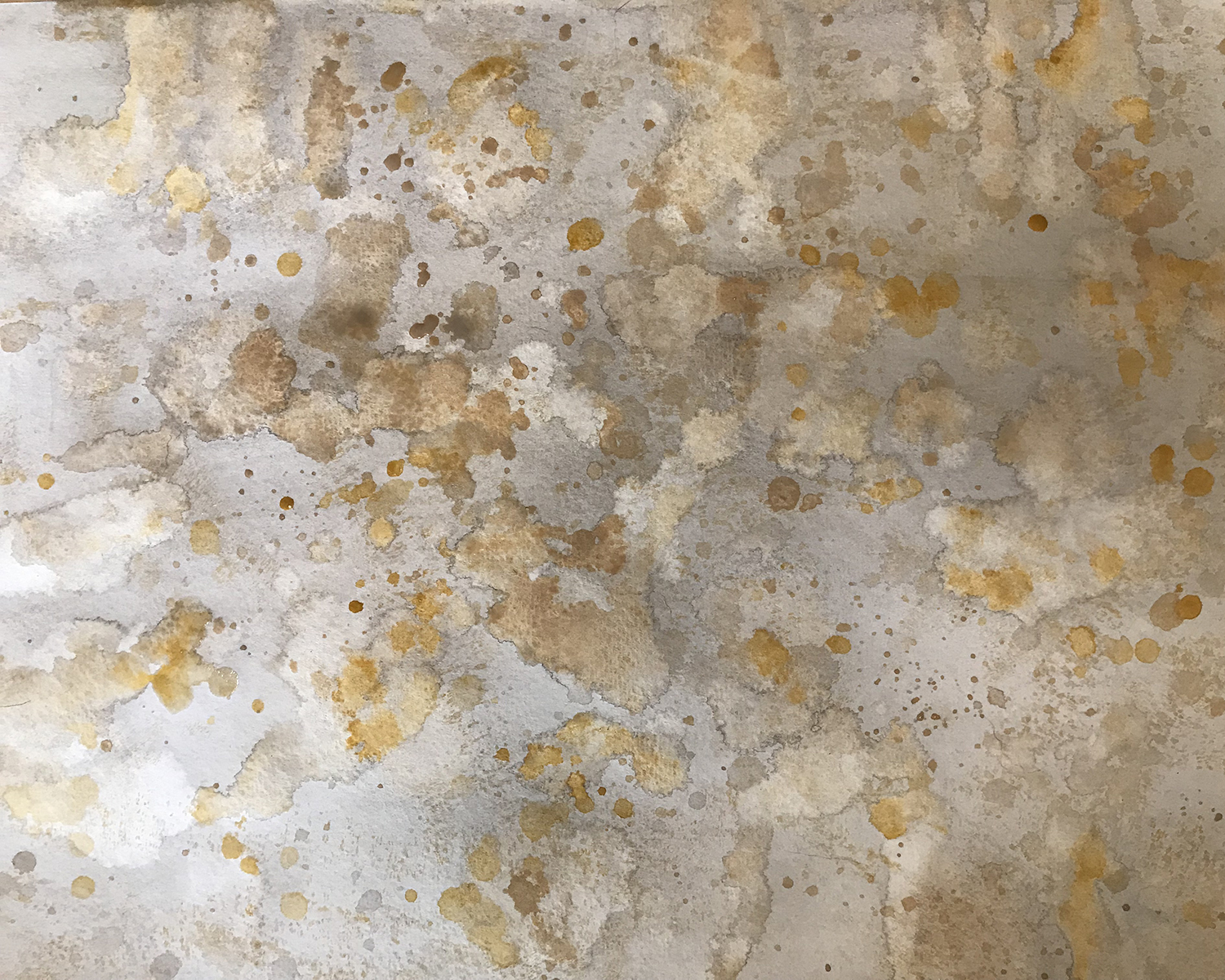
I painted a couple of sheets of 11 by 15-inch 140 lb. cold press watercolor paper with washes and splats of neutral gray, tan and yellow oxide acrylics, then pressed them flat between two drawing boards weighted with books.

pattern_test

The tile pattern and grout lines were refined through several test cuts and pasteups. I added a 3-point corner radius to the tiles to suggest age and wear.

final_tile_cuts

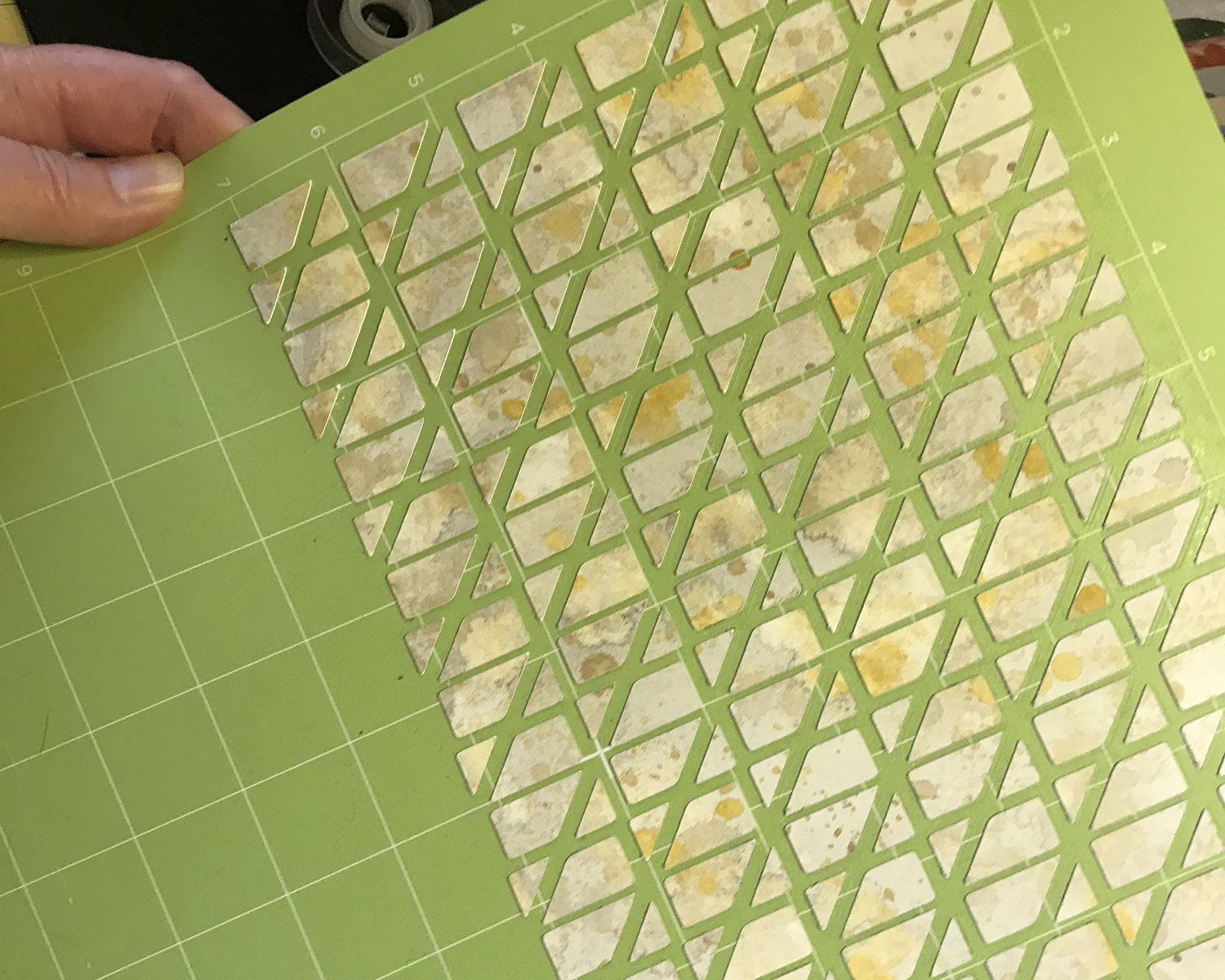
After a few more test cuts, I loaded the painted watercolor paper and began cutting tiles. Because this paper requires three passes of the deep cut blade for each tile, I used masking tape on the edges to hold the thick paper to the cut mat to ensure adhesion. (Lessons learned through bitter informative experience.)

pasteup_01

I’m gluing the individual tiles to prints of the pattern layout showing the grout lines. The process is far less tedious than I anticipated, a pleasant surprise. It *may be* that I won’t have to actually add grout after they’re all assembled and adhered to the subfloor. I plan to add one final light gray wash and some delicate speckling to the whole floor to unite the separate assemblies. And with pressing and a coat or two of matte varnish… we shall see.

in_place_01_

The final tile floor won’t be put in place for some time — so much painting to do! — and the ideas for its total design still floating need not be finalized at this point. Which is good, because I’m still kind of all over the place, design-influence-wise. Right now I’m trending from Art Deco back to Bauhaus, and how that might all fit in with the larger Sea House story, sea level rise, and a crow named Clary.

W: Weaving, Waxing, Waning

baskets _091518

W is for weaving. I’ve been playing with hand-tinting the looms of the round basket kits in spectral and hombré shades. I started with black weavers and rims, then went to a medium warm gray. After a few baskets, I thought the offcuts would make good banners or samples of the colorways, and then the idea was born for the Basket Circus + Exposition.

BCE_sign_v1

Many thanks to Keli for participating in the totally legitimate focus group which determined this name.

black_weaver_warm

What a difference between black and gray for the contrast. I love them both.

gray_weaver_greens.jpg

gray_green_basket

sunset_091418

We’re getting to the glorious sunset colors time of year here in foggy-summer Pacifica. I remain in awe. Nature, you know she don’t mess around.

Albie_sunset_091418

Albie joined me a short time later on the front deck. This picture is significant because it answers the question, “What phase is the moon in?” Each September, my husband and I celebrate the anniversary of our marriage on the full moon. This year, it seems we have 10 or so days to go. (Hope we remember.)

gravity

And finally — as if you’ve ever doubted — here is proof that cats can defy gravity. Even when they’re sleeping.

V: Vagary

V is for Vagary. Fluctuation, variation, quirk, peculiarity, oddity, eccentricity, unpredictability, caprice, foible, whim, whimsy, fancy.

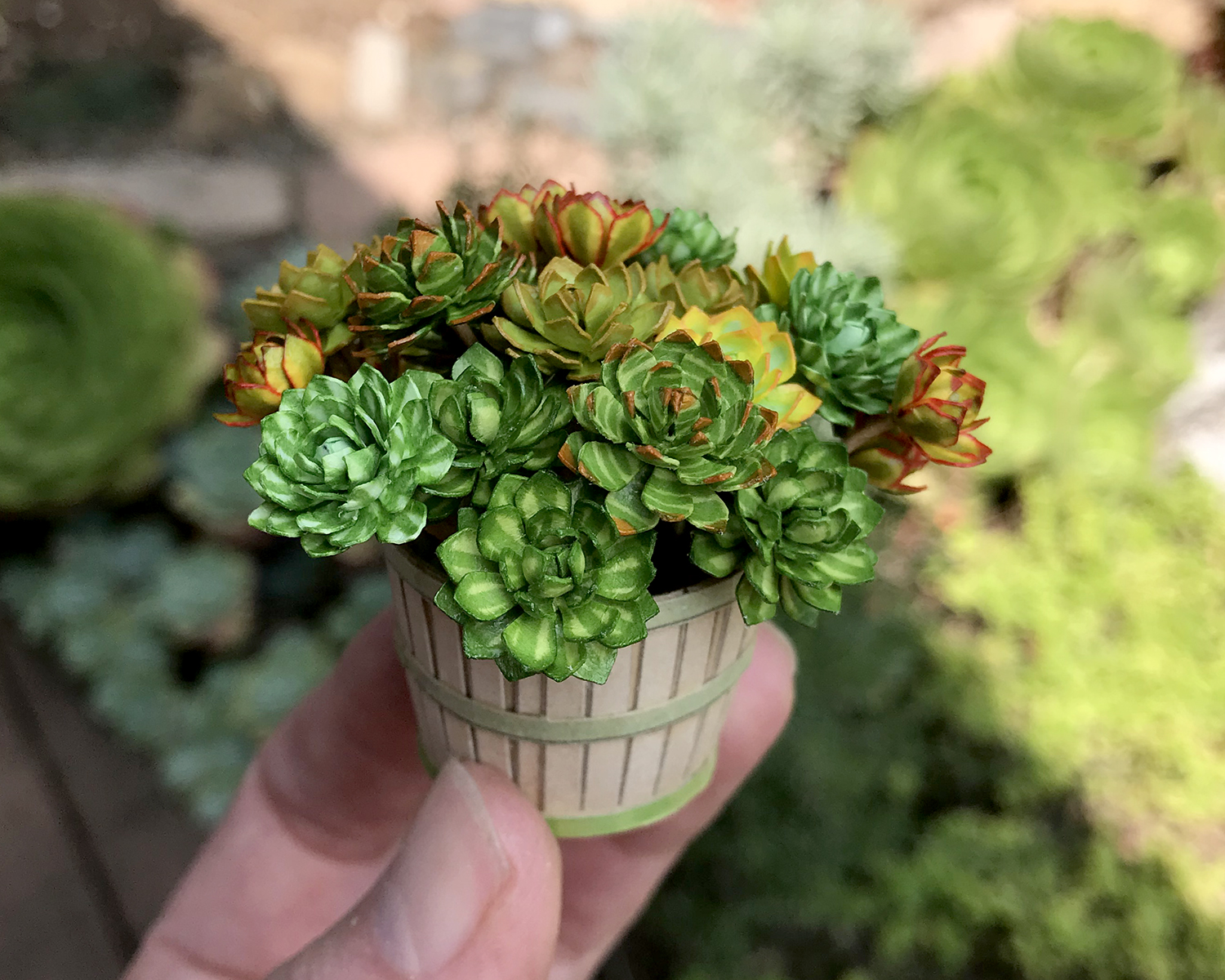
I can’t think of a better word, or set of synonyms, to describe the new 1:12 scale echeveria kit available now over at MMS+S. There are no fewer than five leaf sizes and shapes that combine to make three sizes of a charming pointy-leaf echeveria. I’ve redesigned the build method, too, to start on a fine paper-wrapped stem wire (included in the kit), which is perfect for armatures (gnarly-armed structures) and general ease of shaping the plants.

Here is a bushel basket of prototypes, using both of the base colors — white or apple green — colored with alcohol-based markers. (If you want true reds and yellows — or blues and purples — order the white stock. If you’re good with more muted tones and want to spend less time coloring, choose the green :)

Possibilities of color combinations are endless (and fun).

This is a versatile kit, and a form to make a succulent wreath is available soon!

Let Scarlett’s tail and rabbit feet, seen here in complete repose, be your inspiration.

I recently re-found this unfinished Henri Rousseau-inspired collage panel, and glued it to the side back of the Modern Miniature Succulents + Sundries set.

The MMS+S set is in disarray, like many aspects of my life, but potentially still functional.

Zoom out now, please, to 1:1. The former owners of our house built this charming, funky wave-topped gate (seen here from the back). But, inexplicably, they painted the front of it the same dispirited brown as the rest of the decks, and completely ignored the back. For four years, it has *nagged* at me.

Yay go me. Here it is finished in four shades, by the light of the silvery security beacon.

Albie and I survey the change. You can just see that sad brown deck color peeking out under cat and mat.
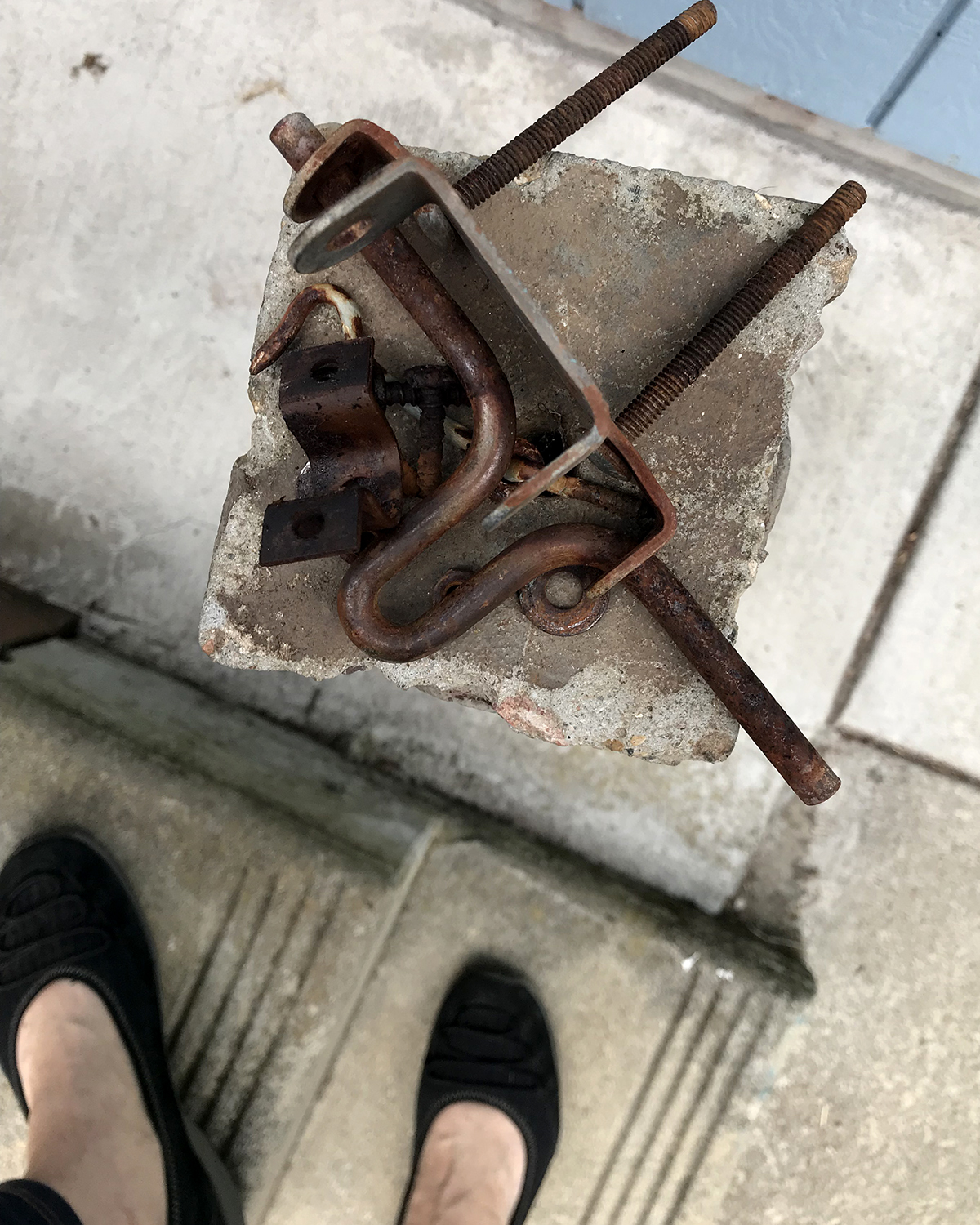
This is the old hardware, atop the treacherous birdbath pedestel, for those of you/us interested in these things.

And finally. Keli and I have been challenging ourselves to … not let the bastards drag you down draw a random thing and post it on Instagram, until, for each of us, momentous events transpire. (For me, that’s undergoing replacement surgery of both hips, on 01 October, 2018.) I have chosen Crayola and ink as my drawing medium. We are #messy_k_enge and #curlymuenich, if you care to follow along (+also under our regular names @iseecerulean and @nancy_k_enge). We are expecting phat coffee table art book publishing contracts to swamp our respective agents.

How could they not?