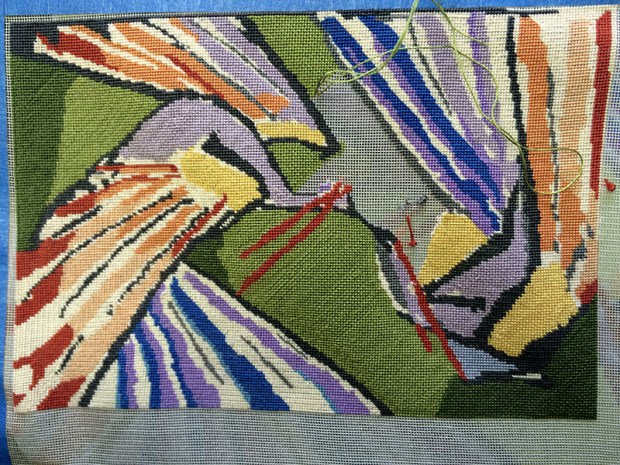
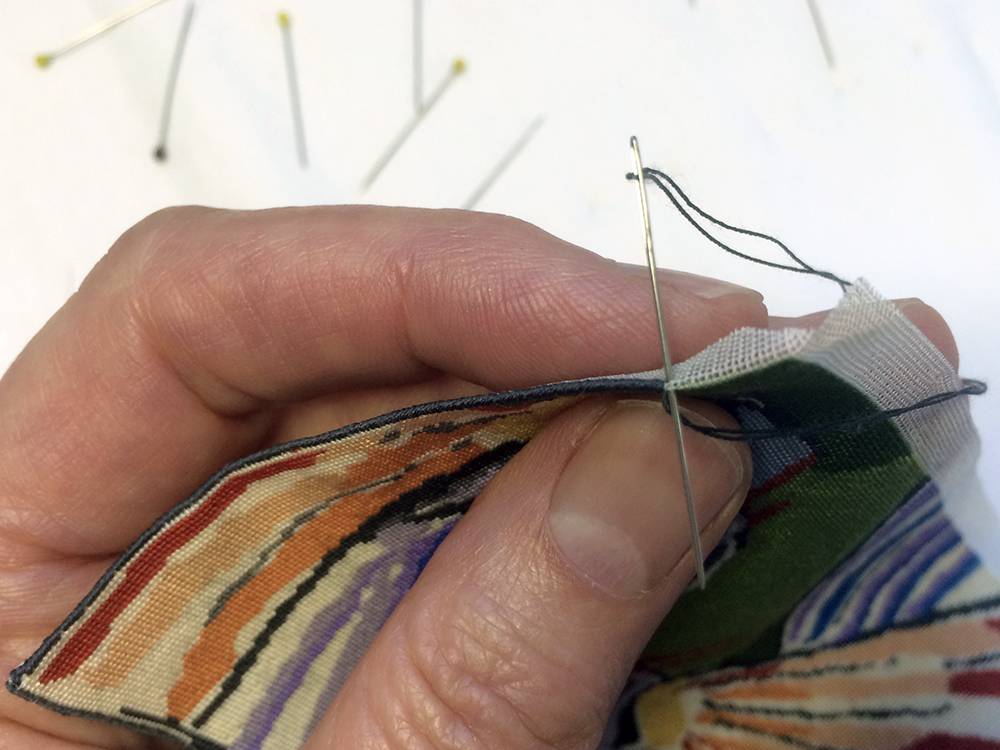
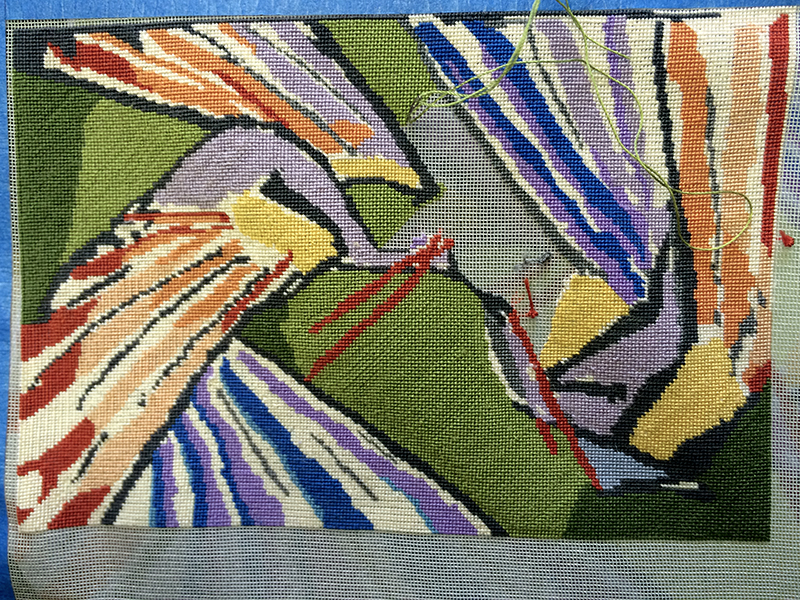
 Peacock rug getting there! Just the remaining green background left to stitch. Then blocking and binding.
(Finished size will be 4.625 x 3.125 inches (11.75 x 7.9 cm), 227 x 153 stitches, Gütermann silk on 49-count silk gauze, from a design by Roger Fry, as charted by Melinda Coss in Bloomsbury Needlepoint From the Tapestries at Charleston Farmhouse.)
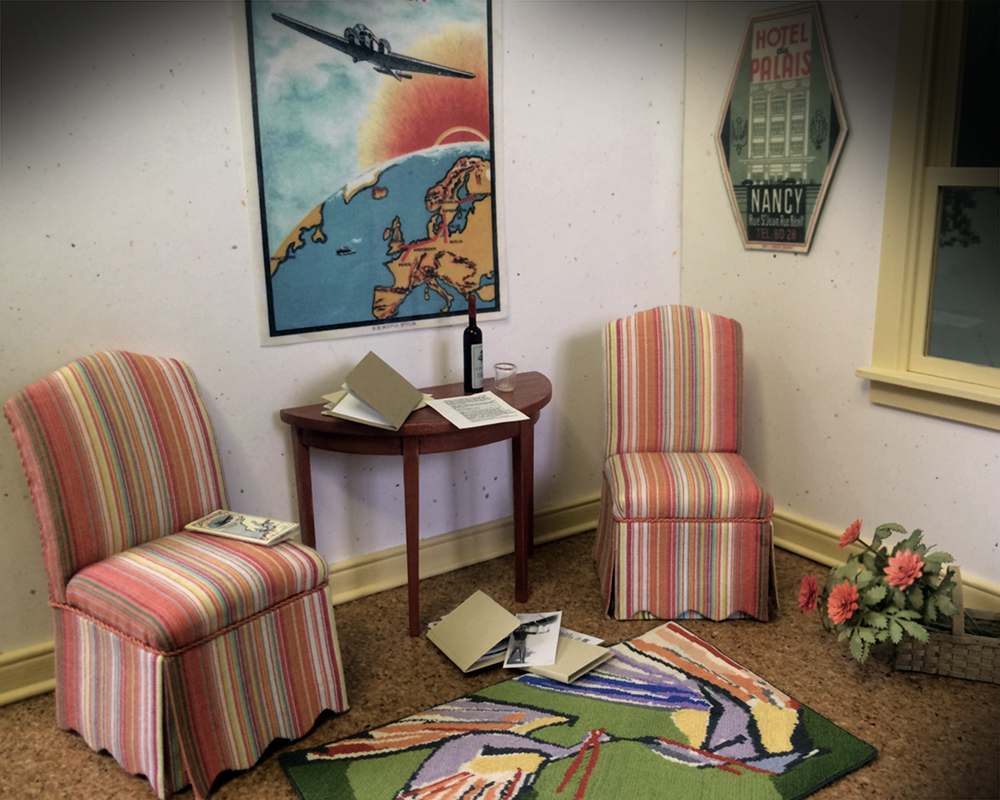
Then I’ve been playing around with Kris Compas’s current tutorial for an upholstered parsons chair, using this great cotton stripe from a thrift store shirt. Other than (endless) work on the Peacock rug, I think this is the first miniature building I’ve done since I packed everything up to move in the summer. (The cording is made from three strands of DMC floss, and is more true to scale than using all six strands. In case you noticed.)

Penultimately, here is my first repeating pattern!
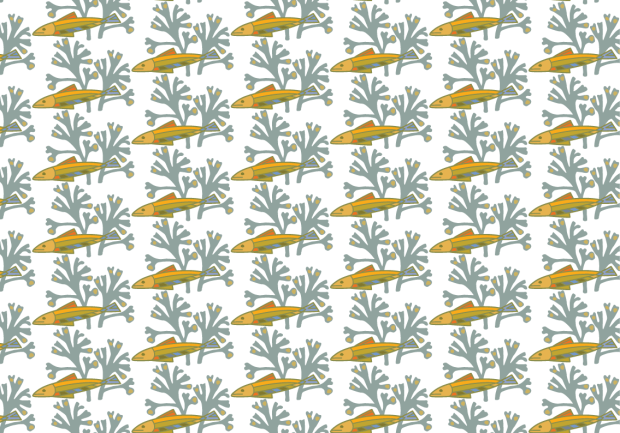
The color palette is a combination of hues drawn from photos of the ocean and from the persimmon tree in Soquel. The simplicity is perhaps underwhelming, but this represents hours and hours of work. Onward!
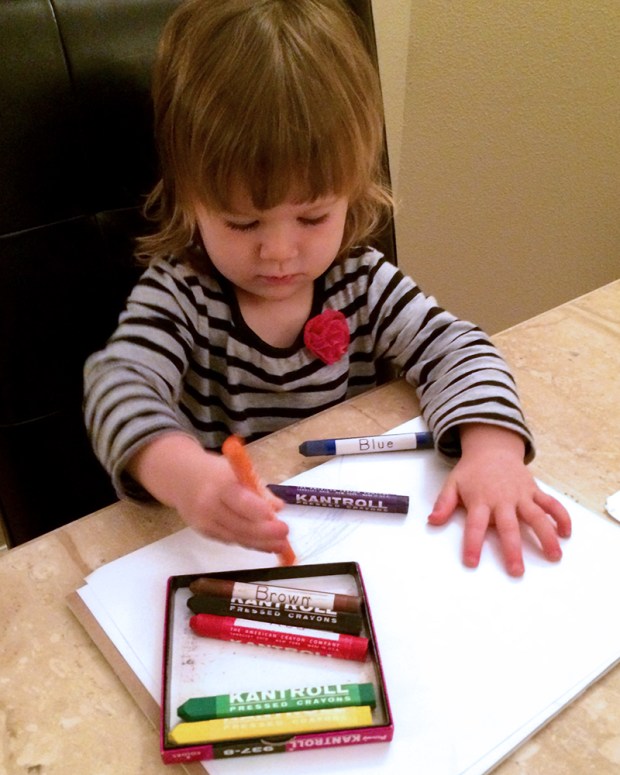
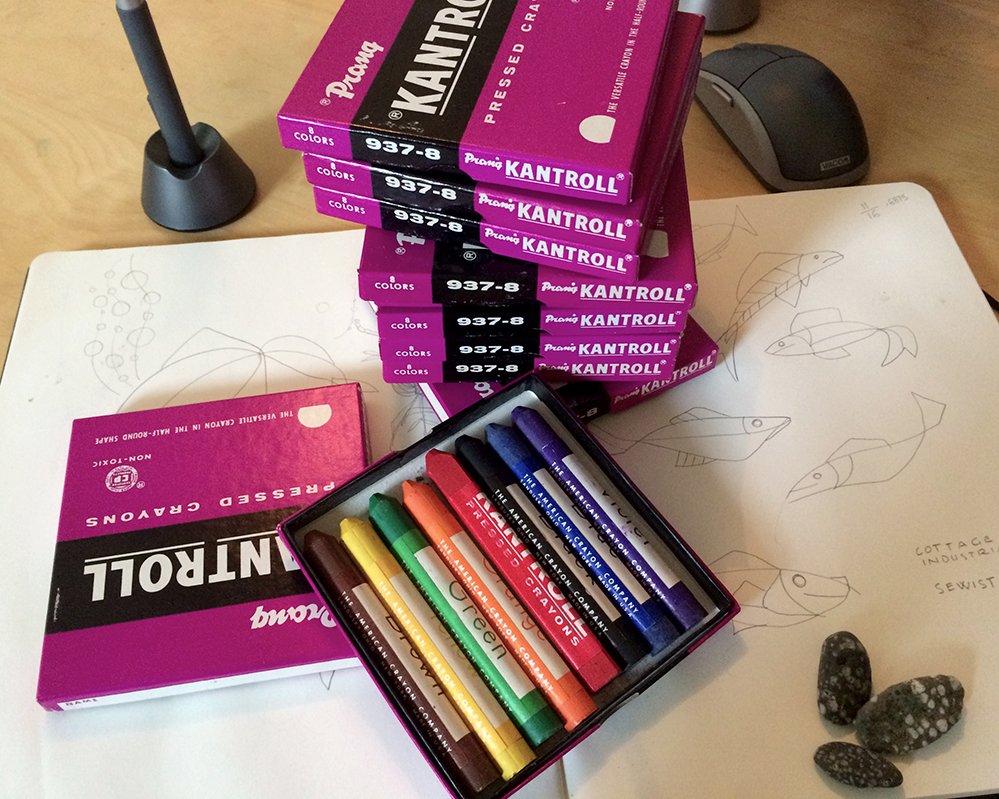
And finally, I did go back to the indie dollar store and buy up all the boxes of Prang KantRolls.

Mostly because this:







 nancyland.com